Cart
0
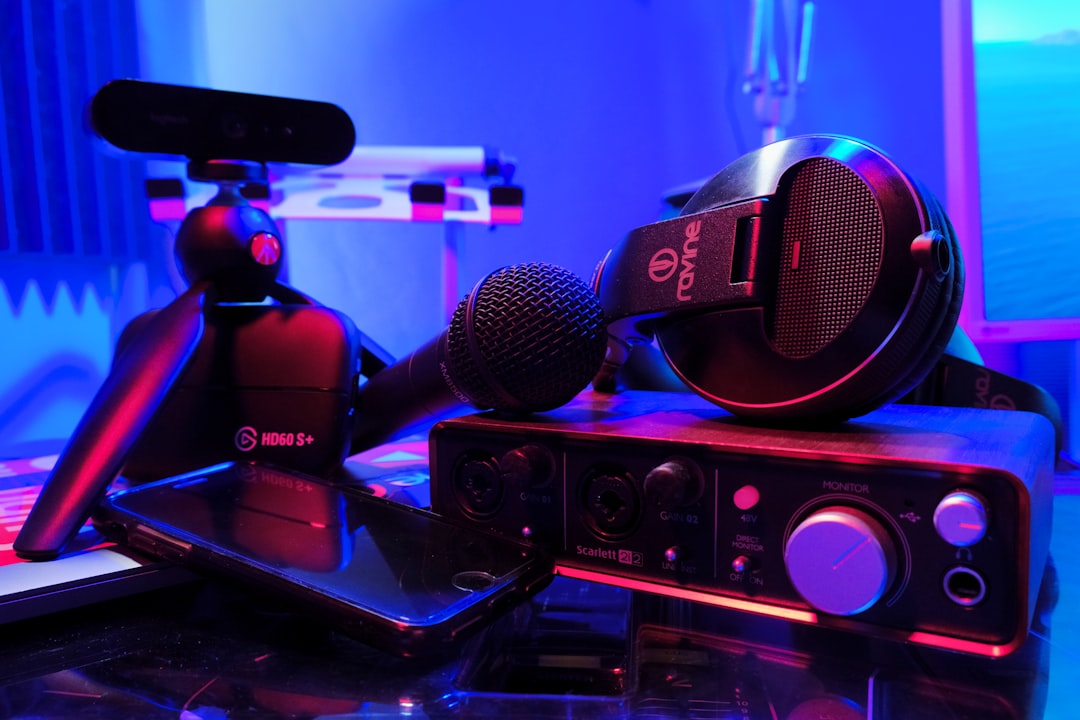
The Ultimate Guide to Condenser Microphones and Studio Mic Selection in 2025-2026
Master the art of studio recording with the right condenser microphone choice for 2025-2026, whether you’re a vocalist, producer, or content creator. This guide unpacks essential mic types, usage tips, and market insights to help you capture unparalleled sound.
Key Takeaways
- Condenser microphones deliver superior sensitivity and clarity for studio recordings but require phantom power.
- Understanding mic types—large/small diaphragm condensers, dynamic, ribbon, and USB—is crucial for matching gear to applications.
- Choosing the correct polar pattern enhances sound isolation and recording quality in various environments.
- The Rode NT1 Signature Series emerges as a top condenser mic option for 2025-2026, balancing performance and affordability.
Table of Contents
- 1. What’s a Condenser Microphone: Understanding the Basics
- 2. Choosing the Correct Microphone Type: Condenser vs. Dynamic vs. Ribbon
- 3. Polar Patterns and Their Influence on Sound Capture
- 4. Top Condenser Microphone Recommendations for 2025-2026
- 5. FAQ
1. What’s a Condenser Microphone: Understanding the Basics
Condenser microphones work by converting sound waves into electrical signals through a capacitor consisting of a diaphragm and a backplate. This arrangement offers exceptional sensitivity, allowing these mics to capture subtle audio details often missed by other types.
Unlike dynamic microphones, condensers require an external power source — commonly phantom power at 48V — provided by audio interfaces or mixers.
Why Opt for a Condenser Mic?
- Excellent Sensitivity: Ideal for picking up nuanced details in vocals and instruments.
- Wide Frequency Response: Captures the full tonal spectrum from bass to treble for natural sound.
- Crisp Sound: Perfect for voice dynamics, texture, and timbre, enhancing clarity.
How condensors work in simple terms:
- Sound waves vibrate the diaphragm.
- Capacitance changes between diaphragm and backplate.
- These changes convert into an electrical signal amplified for output.
- Phantom power energizes this circuitry.
“In controlled studio environments, condenser microphones remain the premier choice for pristine sound capture.”
For further details, visit Learn more about condenser mic basics at Market.com
2. Choosing the Correct Microphone Type: Condenser vs. Dynamic vs. Ribbon
Understanding the distinct features of microphone types empowers you to select the best tool for your recording circumstances.
Large-Diaphragm Condenser Microphones
- Optimum for: Vocals, room ambience, acoustic instruments needing warmth and presence.
- Features: Larger diaphragm produces rich, full sound with warmth.
- Typical Uses: Lead vocals, guitar amps, pianos, orchestras.
Small-Diaphragm Condenser Microphones
- Best for: Drum overheads, strings, woodwinds.
- Traits: Precise, flat frequency response capturing transient detail.
- Typical Uses: Drum overheads, orchestral strings, high-frequency instruments.
Dynamic Microphones
- Ideal for: Loud sound sources and live environments.
- Characteristics: Durable, no external power needed, excels at high SPL.
- Typical Uses: Guitar cabinets, drums, live vocals.
Ribbon Microphones
- Perfect for: Adding natural warmth and smoothness.
- Attributes: Fragile, passive (usually no phantom power), modern designs more robust.
- Typical Uses: Brass, strings, guitar cabinets.
USB and Modeling Microphones
- Favorable for: Podcasters, content creators, home studios seeking hassle-free setup.
- Qualities: Plug-and-play, with integrated digital processing and sometimes AI noise reduction.
- Typical Uses: Streaming, podcasting, casual recording.
For a detailed comparison, check out Ravelink's article comparing microphone types.
3. Polar Patterns and Their Influence on Sound Capture
Polar patterns define how microphones pick up sound from various directions, shaping recording clarity and control.
Cardioid Pattern
- Captures sound primarily from the front.
- Rejects side and rear noise, isolating the source.
- Best Suited for: Vocals, solo instruments, and noisy or untreated spaces.
Omnidirectional Pattern
- Captures sound equally from all directions.
- Produces natural, room-like tone with minimal proximity effect.
- Ideal for: Ensembles, ambient sound, acoustically treated rooms.
Figure-8 (Bidirectional) Pattern
- Captures front and back while rejecting sides.
- Supports duet vocals and mid-side stereo recording techniques.
- Best for: Duets, dual sources, classic stereo setups.
Selecting the correct polar pattern tailors the mic’s capture to your environment. Approximately 80% of microphones sold in studios favor the cardioid due to its noise rejection and source focus.
Learn more at Alibaba's guide on microphone polar patterns.
4. Top Condenser Microphone Recommendations for 2025-2026
Choosing the ideal condenser microphone depends on your budget, intended use, and studio environment. Below is a standout recommendation for the upcoming years:
Rode NT1 Signature Series
- Key Attributes: Ultra-low self-noise at 4 dBA, versatile for vocals, instruments, and drum overheads.
- Caters to: Beginners to intermediate users seeking clarity without excessive cost.
- Features: Large diaphragm, cardioid pattern, includes shock mount.
The Rode NT1 is praised for its quiet operation and sonic transparency, making it a top contender in the budget-to-midrange category for 2025 and beyond.
5. FAQ
What is phantom power and why do condenser microphones need it?
Phantom power is a 48V DC power supply sent through the mic cable to energize the internal circuitry of condenser microphones, enabling their sensitive diaphragm and capacitor systems to function properly.
Can condenser microphones be used for live performances?
While possible, condenser microphones are more delicate and sensitive, making dynamic microphones typically better suited for live environments due to durability and feedback resistance.
What microphone pattern should I choose for podcasting?
A cardioid pattern is usually ideal for podcasting because it captures your voice clearly while minimizing background noise from the sides and rear.
Are USB microphones a good alternative to traditional condenser mics?
USB microphones offer plug-and-play convenience with built-in digital processing, making them excellent for beginners, podcasters, and casual users, though they may lack the flexibility and sound quality of traditional condenser mics connected via XLR.
Explore all these options and more to find the perfect microphone that fits your needs and budget in the evolving studio landscape of 2025-2026.