Cart
0

Ultimate Guide to Buying Electric and Acoustic Guitars: From Beginner to Pro
Looking to buy an electric or acoustic guitar but not sure where to start? Whether you're just picking up the instrument or ready to upgrade, navigating all the choices—brands, builds, budgets—can feel overwhelming. This all-in-one guide breaks down everything you need to know to purchase the right guitar for your skill level and style. From trusted beginner models to top-tier pro gear, key features, and online buying tips, you'll find expert-backed insight to help you choose with confidence.
Key Takeaways
- Choose guitars suited to your skill level to maximize playability and tone.
- Understand key features such as tonewoods, pickups, neck profile, and hardware quality for electric guitars.
- Match acoustic body shapes and tonewoods to your playing style and sound preference.
- Invest in quality accessories and maintain your guitar regularly for longevity.
- Shop online smartly by selecting trusted dealers and testing instruments thoroughly during return periods.
Table of Contents
- How to Choose the Right Electric Guitar for Your Skill Level
- Key Electric Guitar Features to Consider
- The Acoustic Guitar Buying Guide
- Top Acoustic Guitars by Skill Level and Budget
- Essential Acoustic Guitar Accessories for Every Player
- Guitar Maintenance: How to Keep Your Instrument in Top Shape
- Buying Guitars Online: What to Know Before You Click "Order"
- Final Thoughts: The Best Guitar Is the One That Fits You
- FAQ
1. How to Choose the Right Electric Guitar for Your Skill Level
Electric guitars come in countless shapes, sounds, and setups. Knowing what to look for at your skill level ensures you're not overpaying—or underperforming. Here's what to consider as you move from your first chord to the main stage.
Beginner Electric Guitars: Reliable, Affordable, and Easy to Play
New to electric guitar? Focus on playability and versatility. Guitars in the $150–$350 range often offer great value, with comfortable necks and decent pickups for a range of genres.
Recommended beginner models:
- Sterling by Music Man Intro Series Cutlass – Priced around $295, this model delivers a solid poplar body, comfortable satin neck, and an HSS pickup setup for tonal flexibility—from bluesy leads to crunchy chords.
- Squier Sonic Mustang – Featuring a shorter scale length and dual humbuckers, this guitar is perfect for players with smaller hands or those drawn to classic rock and blues tones.
Both offer dependable setups and tone, helping new players focus on learning, not gear problems.
Intermediate Electric Guitars: Better Materials, Bigger Sound
Stepping up in skill? Expect to pay between $700 and $1,000 for upgraded tonewoods, smoother hardware, and more precise pickups. These guitars suit serious hobbyists and emerging live performers.
Top picks for intermediate players:
- PRS SE Custom 24 – With a mahogany body, maple top, and coil-tapped humbuckers, this PRS offers a wide tonal range—warm enough for blues, snappy enough for country, and slick enough for modern rock.
- Epiphone Les Paul Special TV Yellow – This P90-loaded model shines for soulful players who crave vintage grit at an approachable price.
At this tier, you're investing in a guitar that inspires while lasting through your growth as a player.
Premium Electric Guitars: Stage-Worthy Tools for the Pros
At $1,500 and up, premium electric guitars put craftsmanship front and center. Think impeccable finishes, boutique tonewoods, and advanced electronics built for studio tone and live reliability.
Elite picks include:
- Fender Vintera II 60s Stratocaster – A modern take on a classic, this Strat features an alder body, maple neck, rosewood fingerboard, and three vintage-style single coils for signature Fender clarity and warmth.
- Gibson ES Supreme – This semi-hollow gem combines aesthetic luxury with high-end Burstbucker pickups, making it a go-to for expressive players across jazz, blues, and rock.
- Fender American Ultra II Telecaster – Comes with noiseless pickups and a satin-finished neck for fast, fluid playing—ideal for those who crave the Tele tone with modern refinements.
These guitars are built to perform and endure—if you're gigging regularly or recording, they’re worth every penny.
2. Key Electric Guitar Features to Consider
Beyond price, selecting an electric guitar comes down to the specs that affect tone and comfort. Consider your music style and playing goals as you evaluate:
- Tonewoods – Alder yields balanced clarity; mahogany adds warmth and depth. Maple tops bring brightness and punch.
- Pickups – Single coils offer crisp tone but can hum. Humbuckers are warmer and quieter, ideal for heavier genres.
- Neck Profile – Thinner necks may suit fast soloing; thicker ones can provide better grip for riff-heavy styles. Finish also affects feel—nitrocellulose requires more care than poly finishes.
- Scale Length – Shorter scales make fretting easier (great for younger players), while longer scales add tension and sustain.
- Hardware Quality – Stable tuners, bridges, and fretwork increase tuning reliability and ease of setup.
Balancing these features ensures you buy a guitar that feels right in your hands and fits your musical vision.
3. The Acoustic Guitar Buying Guide: Selecting the Perfect Model for Your Style
An acoustic guitar offers something unique—warm, resonant sound without the need for amps or pedals. Whether for casual playing or professional use, choosing the right shape, wood, and feature set helps you get the tone you want, comfortably.
Acoustic Guitar Body Shapes and How They Affect Tone
Body shape directly impacts projection, bass response, and comfort. Here's what to expect:
- Dreadnought – Big, bold, and bass-heavy. Ideal for strummers and singer-songwriters but may feel clunky to smaller players.
- Concert / Grand Auditorium – Balanced tone with a slimmer waist. Excellent for players who blend fingerpicking and strumming.
- Parlor / Travel Guitars – Small and portable with clear midrange—great for travel or players with small hands.
- Baritone – Larger body and longer scale, tuned lower for deep, cinematic tone.
Match the body shape to your playing style and physical preference for optimal sound and feel.
Tonewoods: What They Mean for Your Sound
Every piece of wood on an acoustic guitar shapes its voice. Some combinations to consider:
- Spruce Tops – Bright and articulate, often seen in beginner and intermediate guitars like the Yamaha FG800.
- Mahogany Bodies – Smooth and balanced with strong midrange. Common in workhorse models like the Epiphone DR-100.
- Rosewood Fingerboards – Add smooth attack and sustain for expressive playing.
- Solid Tops vs. Laminates – A solid top resonates better, improving tone over time. Laminates are more affordable and durable, but less responsive.
Tonewood selection tailors the guitar to your ears—try different builds to discover your preference.
Acoustic-Electric Guitars: The Best of Both Worlds
Need volume on stage without sacrificing acoustic feel? Acoustic-electric guitars deliver versatility with built-in pickups and controls.
Key features to note:
- Pickup Systems – Piezo pickups (under-saddle) offer bright, punchy tones; magnetic pickups generate warmer sound resembling electrics.
- Onboard Electronics – Look for EQ controls, built-in tuners, and feedback reduction.
- Test Plugged and Unplugged – Always try both sounds before buying, as tone can vary dramatically when amplified.
Avoid ultra-budget models under $100—they often suffer from poor build quality and unreliable electronics.
4. Top Acoustic Guitars by Skill Level and Budget
Here’s a quick reference for choosing the right acoustic guitar at any stage.
| Skill Level | Price Range | Recommended Models | Why They Stand Out |
|---|---|---|---|
| Beginner | $150–$350 | Fender FA-125, Yamaha FG800, Epiphone DR-100, Ibanez AEG1211 | Solid tops, user-friendly necks, impressive projection |
| Intermediate | $500–$800 | Taylor GS Mini-e, Washburn Festival EA12, Ovation Applause AE4411, Epiphone Dove Pro | Plug-and-play readiness with balanced tone and onboard features |
| Professional | $800+ | Gibson Hummingbird Original, select Taylor and Martin models | Premium tonewoods, advanced electronics, and iconic sounds |
Start with what fits your budget and playing level—the right model now sets you up for longer-term growth.
5. Essential Acoustic Guitar Accessories for Every Player
Outfitting your acoustic guitar with the right gear helps protect your investment while enhancing your playing experience.
- Cases and Gig Bags – Shield your guitar from dings and temperature swings during travel or storage.
- Straps – Let you play standing up comfortably.
- Capos – Instantly change key without retuning.
- Tuners – Choose clip-on or pedal models for fast, accurate tuning.
- Humidifiers – Prevent warping and cracks by keeping relative humidity in check, especially with sensitive finishes like nitrocellulose.
- Extra Strings – Medium-gauge phosphor bronze strings offer rich tone and durability. Coated versions resist corrosion longer.
A well-chosen set of accessories extends your guitar’s life and keeps it sounding its best.
6. Guitar Maintenance: How to Keep Your Instrument in Top Shape
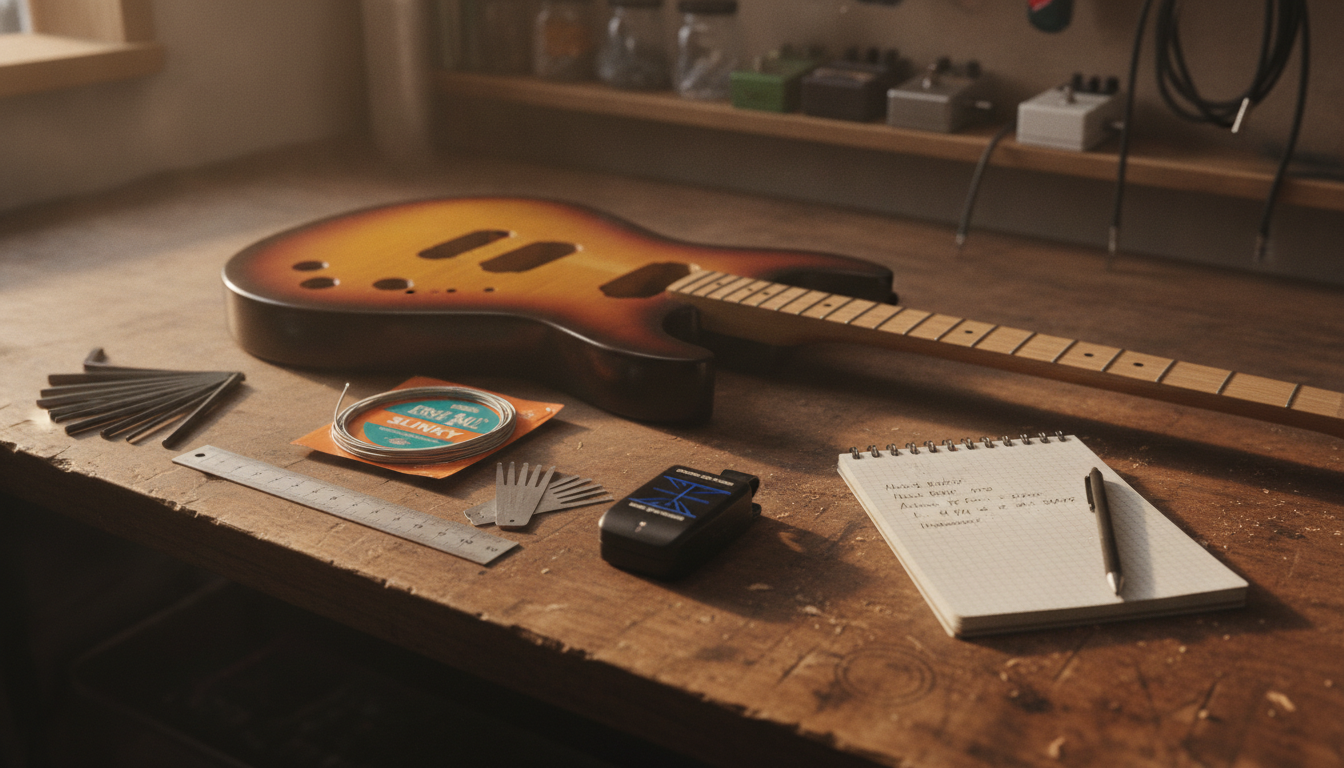
Taking care of your guitar is key to its longevity and playability. A few routine habits can prevent problems and keep your instrument performing like new.
Changing Strings: When and How
- Swap strings every 2–3 months, or more often with heavy use.
- Loosen each string before removal. Clean the fretboard before installing new ones.
- Wrap new strings with 2–3 winds around each tuner post.
- Once installed, lightly stretch the strings and tune several times as they settle.
- Acoustic players: medium-gauge phosphor bronze strings are a solid all-around choice.
Fresh strings improve tone and tuning stability more than many players realize.
Cleaning and Storing Tips
- Wipe down your guitar after each session with a microfiber cloth.
- Avoid silicone-based polishes, especially on vintage or nitrocellulose finishes.
- Use stands or cases lined with safe materials that won't react with your guitar’s finish.
- Maintain 45–55% humidity in your storage area. In dry climates, use a case humidifier to prevent cracking or warping.
Regular upkeep ensures your guitar plays and looks great for years to come.
7. Buying Guitars Online: What to Know Before You Click "Order"
Online shopping for guitars has become much more secure—if you know where to look and how to test your gear.
- Stick with trusted retailers like Guitar Center, Musician's Friend, and Sweetwater that offer 30–45 day returns.
- Use the return window to play the guitar unplugged and plugged in. Check feel, tone, and electronic functionality thoroughly.
- Inspect the instrument for cosmetic flaws, neck alignment, or buzzing frets.
- Be wary of used electrics sold online—test pickups through an amp before buying.
- Read expert reviews and watch video demos to preview sound and playability.
Smart shopping reduces surprises and ensures you get a guitar that truly fits your needs.
8. Final Thoughts: The Best Guitar Is the One That Fits You
Finding the perfect guitar isn't about following trends or draining your wallet. It’s about discovering the instrument that feels right in your hands, matches your goals, and inspires you to play more.
- Great beginner guitars start around $150 and provide real musical value.
- Intermediate and pro models offer better tonewoods, electronics, and craftsmanship—the kind of quality that grows with you.
- Understanding construction—body shape, pickups, woods—helps match tone to taste.
- Regular maintenance keeps your guitar in top shape for years.
- Buying online works well if you choose reputable sellers and know what to check during inspection.
- Accessories like humidifiers, tuners, and quality cases aren't optional—they’re part of caring for your sound.
Armed with knowledge, you're ready to make a confident, informed purchase—whether you're picking up your first guitar or investing in your ultimate instrument.
Explore trusted dealers and choose a model that inspires your music today.
Celebrate the season with savings — get 5% off your order using code EXCLUSIVE5 at checkout
FAQ
What is the best beginner electric guitar?
For beginners, the Sterling by Music Man Intro Series Cutlass and Squier Sonic Mustang offer great playability, tonal versatility, and affordable pricing, ideal for learning a wide range of styles.
How often should I change my guitar strings?
Strings should be changed every 2–3 months or more frequently if you play heavily. Regular string changes improve tone, tuning stability, and overall playing experience.
What acoustic guitar body shape is best for fingerpicking?
Concert or Grand Auditorium shapes provide a balanced tone and slim waist that is comfortable and well-suited for fingerpicking, blending clarity and warmth effectively.
Can I buy a guitar online without trying it first?
Yes, but only from trusted dealers offering generous return policies. Test the guitar thoroughly during the return window, both unplugged and plugged in, and inspect it carefully for any defects or issues.
Do I need a humidifier for my acoustic guitar?
If you live in a dry climate or store your guitar in a heated room, a humidifier is essential to prevent wood cracking and warping, especially for guitars with sensitive finishes like nitrocellulose.