Cart
0
Mastering Rhythm and Timing in Music: A Complete Guide for Musicians
Unlock the vital skills of rhythm and timing to elevate your musical performance, creativity, and collaboration—whether you're a beginner or a seasoned player.
Key Takeaways
- Rhythm is the structured pattern of beats; timing is the precise execution of those beats.
- Common rhythm challenges include rushing, dragging, and difficulties with subdivisions.
- Consistent metronome practice and focused section work help develop solid timing.
- Different instruments benefit from tailored rhythm exercises and vocalization techniques.
- Teaching children rhythm can be fun and effective with movement and everyday sounds.
- Creative rhythm use enhances songwriting and musical expression.
- Patience and daily practice build lasting internal rhythmic control.
Table of Contents
- Understanding Rhythm and Timing in Music
- Common Rhythm Challenges Musicians Face
- Effective Practice Strategies for Rhythm and Timing
- Mastering Rhythm with Instrument-Specific Tips
- Using the Metronome: A Key to Precise Timing
- Teaching Rhythm to Children: Fun and Easy Methods
- Creative Approaches to Rhythm in Songwriting
- Long-Term Development: Patience and Consistent Practice
- Cross-Instrumental Benefits of Rhythm Mastery
- Conclusion: Building Your Rhythm and Timing Skills
Understanding Rhythm and Timing in Music
Rhythm and timing form the core of every musical experience. Whether you're just beginning or looking to refine your craft, developing these skills is essential. Rhythm is the organized pattern of sound and silence—a sequence of strong and weak beats that establishes a song’s pulse. Timing is the ability to perform those beats precisely and in sync with the music or fellow musicians.
From a child’s first clap to a professional ensemble performing intricate arrangements, rhythm and timing bring music to life. This guide breaks down rhythm fundamentals, common challenges, and targeted practice strategies to help musicians of all levels grow.
Common Rhythm Challenges Musicians Face
Many musicians struggle with rhythm, especially in the early stages. The difficulty typically isn’t lack of talent, but rather attempting rhythms beyond their current skill level. Common issues include:
- Rushing: Playing ahead of the beat due to excitement or anxiety.
- Dragging: Falling behind the tempo, disrupting smooth flow.
- Overwhelming complexity: Tackling intricate rhythms before mastering basics.
- Subdivision struggles: Difficulty breaking beats into smaller units like eighths, sixteenths, or triplets.
- Syncopated rhythms: Confusion with off-beat patterns that feel unnatural initially.
Identifying these early helps avoid frustration. Focus on material that matches your current level and gradually progress toward complexity.
Celebrate the season with savings — get 5% off your order using code EXCLUSIVE5 at checkout
Effective Practice Strategies for Rhythm and Timing
Improving your rhythmic control requires focused, consistent practice. Here are proven techniques supported by educators and performers:
1. Start Simple with Familiar Pieces
Choose music with limited ranges and easy key signatures. Build confidence with steady rhythms before attempting passages filled with fast notes like sixteenths or thirty-seconds.
2. Isolate Tricky Sections
Identify problematic rhythms and practice them slowly and carefully, note by note. Once mastered, merge the section back into the entire piece.
3. Practice Religiously with a Metronome
A metronome is indispensable. Start at slow tempos you can comfortably handle, then incrementally increase speed only after flawless execution.
4. Record Yourself for Feedback
Playing back your recordings provides perspective on subtle timing issues you may miss live. Compare recordings to a metronome or backing tracks for precise feedback.
5. Master Beat Subdivision
Count subdivisions aloud, like “1 and 2 and” for eighth notes or “1 e and a” for sixteenths. This reinforces internal timing and clarity with complex rhythms.
6. Layer Subdivisions Over Time
Begin with full subdivisions and slow tempos to develop internal timing. Gradually reduce metronome clicks to emphasize beats selectively, strengthening rhythmic independence.
Mastering Rhythm with Instrument-Specific Tips
Each instrument may require unique rhythm approaches. Here are some suggestions:
For Piano Players
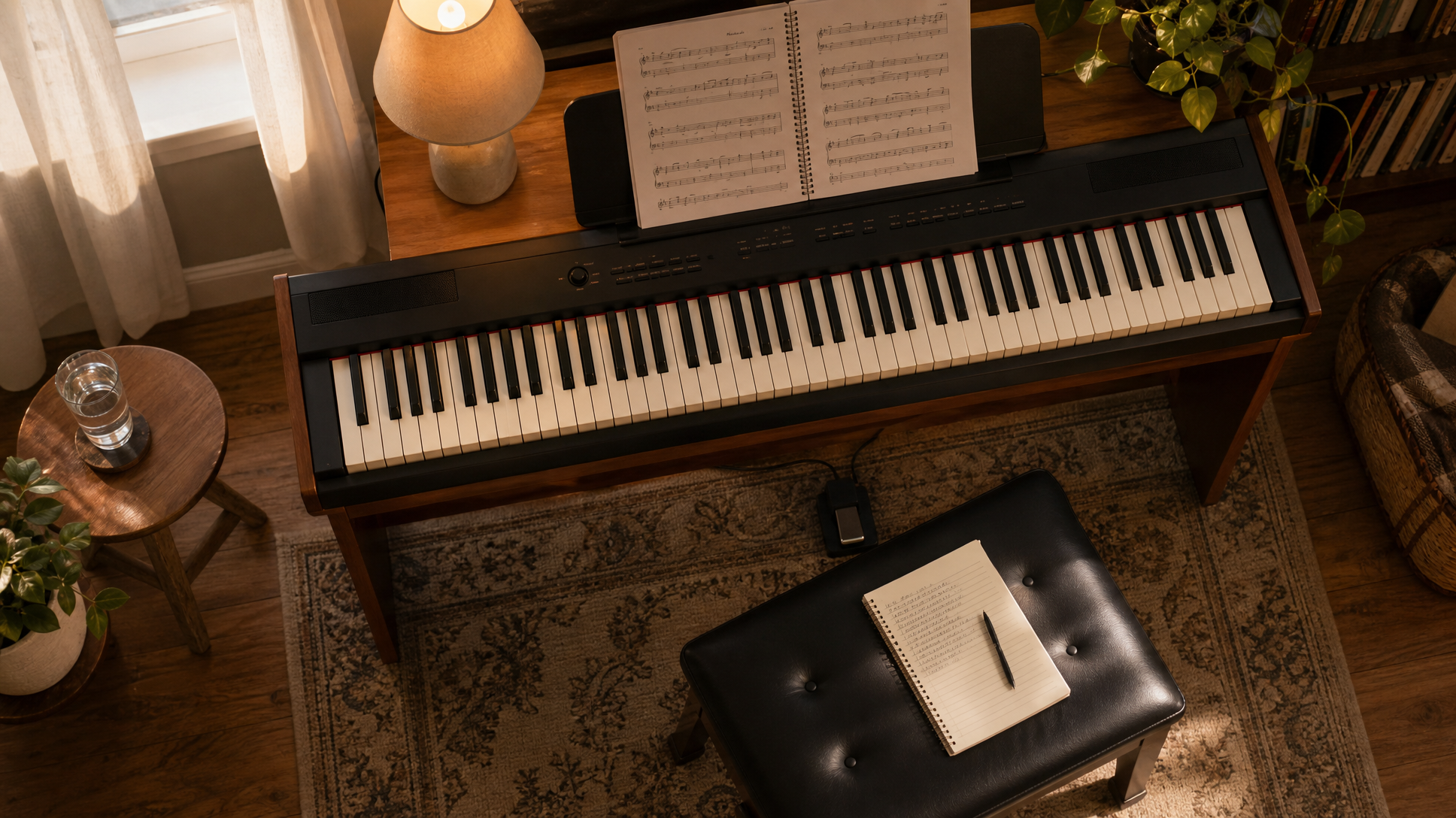
Focus first on locking in the left-hand rhythm. It often provides the harmonic and rhythmic foundation, aiding consistency when adding right-hand melodies or embellishments.
For Guitarists
Prioritize developing a steady strumming or picking hand rhythm. This supports smooth chord changes and establishes a solid groove.
For All Musicians
Try vocalizing or clapping rhythms before playing. Separating rhythm from pitch allows you to focus deeply on timing, increasing confidence in your playing.
Using the Metronome: A Key to Precise Timing
The metronome is one of the most effective tools to develop timing. Use these approaches:
- Start Slow, Then Build: Begin at a tempo you control accurately. Once consistent, increase speed incrementally.
- Change Subdivision Levels: Alternate clicks between quarters, eighths, and sixteenths to internalize rhythmic layers.
- Shift the Click’s Position: Practice placing metronome clicks on offbeats or backbeats (beats 2 and 4) to develop groove and phrasing flexibility.
- Alternate Rhythmic Groupings: Work with dotted rhythms or reverse groupings to enhance agility and syncopation skills.
Learn more from Black Swamp’s metronome tips and MetronomeOnline’s practice techniques.
Teaching Rhythm to Children: Fun and Easy Methods
Introducing rhythm to children doesn’t have to be dull—it can be joyful and imaginative. Engage young learners with these ideas:
Core Concepts to Introduce
- Time signatures: understanding 2, 3, 4, or 6 beats per measure.
- Tempo: recognizing the difference between fast and slow.
- Accents: emphasizing beats to shape rhythm.
- Dynamics: exploring loudness and softness.
- Syncopation: feeling rhythms that stress offbeats.
Use Household Items as Percussion
Encourage rhythm exploration with pots, spoons, or boxes that work as accessible instruments without intimidation.
Encourage Body Movement
Clapping, tapping feet, or dancing helps children feel and internalize rhythm naturally.
Tune into Everyday Sounds
A ticking clock, radio beats, or footsteps can serve as informal metronomes, making rhythm relatable and present in daily life.
Try Clapping Exercises
Start at a steady 80 BPM by clapping once every four beats. Gradually add subdivisions like eighths and sixteenths, both vocally and physically.
Check out this beginner rhythm video and Didge Project’s rhythm exercises for inspiration.
Creative Approaches to Rhythm in Songwriting
Rhythm isn't just a technical skill—it fuels creativity. Use rhythm deliberately to shape a song’s emotional impact and energy:
Embrace Both Logic and Instinct
Learn theory and patterns but don’t be constrained by them. Experiment by changing rhythms between verses and choruses or mixing steady grooves with syncopation.
Create Rhythmic Contrast Between Sections
Use accent shifts, tempo changes, or swing vs. straight time to build interest and guide transitions.
Balance Rhythm, Melody, and Harmony
Rhythm affects how melodies land and how harmonies support them. Aim for clear movement, avoiding clutter or contradictions.
Practice with a Creative Metronome
Shift metronome clicks to offbeats or secondary beats to simulate natural phrasing and groove quality in performance.
For further reading, visit Play Guitar Academy’s metronome guide and this Reddit music theory discussion.
Long-Term Development: Patience and Consistent Practice
Progress with rhythm comes steadily with time. Some tips to maintain momentum:
- Dedicate 10–15 focused minutes daily to rhythm challenges.
- Record your practice regularly and review progress or recurring issues.
- Strive for steadiness, allowing subtle tempo shifts rather than rigid, mechanical timing.
- Remember that natural rhythm ability varies; structured practice benefits everyone.
Cross-Instrumental Benefits of Rhythm Mastery
Strong rhythm skills enhance versatility across instruments and musical roles:
- Pianists mastering subdivisions often adapt to guitar or percussion more easily.
- Guitarists with precise timing excel in arranging and composing.
- Vocalists internalizing rhythm through percussion or piano improve phrasing and expression.
Mastering rhythm increases not just your playing ability but your musical collaboration and thinking.
Conclusion: Building Your Rhythm and Timing Skills
Rhythm and timing are foundational, not optional. By:
- Starting with manageable material,
- Practicing regularly with a metronome,
- Breaking down complex rhythms,
- Engaging children with fun rhythmic activities, and
- Applying rhythm creatively in songwriting,
you build a solid, expressive rhythmic foundation. Stay patient and consistent, balancing analytical and creative practice. With every beat, you move closer to your musical goals on this lifelong journey.
Frequently Asked Questions
What’s the difference between rhythm and timing?
Rhythm is the pattern and arrangement of beats and silences in music, while timing is the accuracy with which these beats are performed in relation to a pulse or tempo.
How can a metronome improve my playing?
A metronome helps develop steady timing by providing a consistent beat to follow, allowing you to measure and improve precision at any tempo or subdivision.
What are some effective methods for teaching kids rhythm?
Use playful techniques like body movement (clapping, tapping, dancing), utilizing household percussion items, and relating rhythm to everyday sounds to keep children engaged while learning fundamental concepts.
Can learning rhythm on one instrument help with others?
Absolutely. Rhythm mastery transcends instruments, improving timing, coordination, and musical understanding that benefit any instrument or vocal performance.
How long does it take to improve rhythm?
Improvement varies but consistent daily practice, even for 10–15 minutes, leads to noticeable progress within weeks to months. Patience and persistence are key.