Cart
0
How to Choose Your First Musical Instrument: A Complete Beginner’s Guide
Starting your musical journey on the right instrument lays the foundation for a fulfilling experience. This guide helps beginners align passion with practicality to find an ideal first instrument.
Key takeaways
- Choose an instrument that matches your musical tastes and personal comfort.
- Consider practical factors such as age, budget, space, and time commitment.
- Try beginner-friendly instruments like ukulele, harmonica, piano, or percussion.
- Take advantage of trial lessons and rentals to experience instruments firsthand.
- Engage with qualified teachers and music schools to support your growth.
- Balance passion, practicality, and social support for long-term motivation.
Table of Contents
- Introduction: Starting Your Musical Journey with the Right Instrument
- 1. Understand Your Musical Direction: Find Your Perfect Sound
- 2. Practical Considerations When Choosing Your First Instrument
- 3. Best Beginner-Friendly Instruments for New Musicians
- 4. Why Try Before You Buy? The Importance of Trial Lessons and Instrument Testing
- 5. How Music Schools and Teachers Can Enhance Your Beginner Experience
- 6. Combining Passion, Practicality, and Social Factors for a Successful Start
- Final Tips for Picking Your Perfect First Instrument
- Conclusion: Embark Confidently on Your Musical Adventure
Introduction: Starting Your Musical Journey with the Right Instrument
Choosing your first musical instrument lays the groundwork for a rewarding journey of creativity, expression, and enjoyment. Whether you're a young learner or exploring music as an adult, finding an instrument that suits your personality, lifestyle, and goals can ignite motivation and turn practice into play.
This guide offers a clear roadmap to help you make a confident, informed decision. From matching instruments to your musical tastes, to weighing practical factors like budget and space, you’ll discover helpful tips on beginner-friendly options and how music schools can support your growth. Let’s explore how to pick the perfect instrument to start your musical adventure on the right note.
1. Understand Your Musical Direction: Find Your Perfect Sound
Before you buy or rent anything, take a moment to reflect on the kind of music that excites you. Your favorite songs and artists offer strong clues about which instruments might resonate with your style and personality.
- Love the energy of rock? The electric guitar delivers bold riffs and melodic power.
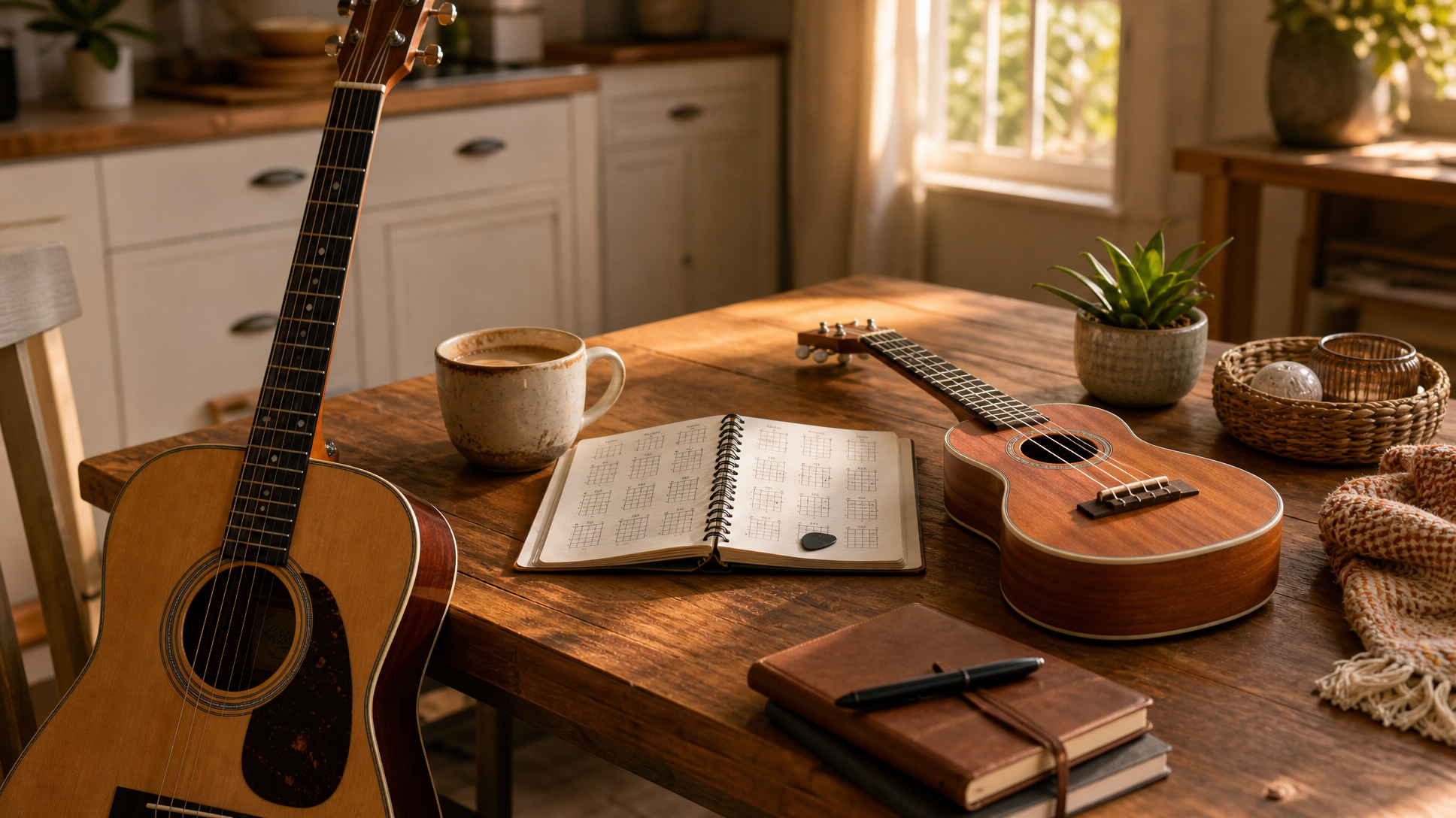
- Prefer acoustic or folk music? The acoustic guitar offers warm, earthy tones.
- Drawn to classical masterpieces? The piano or violin may be your ideal match.
- Into pop and mainstream hits? Keyboards or voice lessons provide flexibility and broad appeal.
When your chosen instrument reflects your musical preferences, it's easier to stay inspired—even when learning gets tough. Pay attention to how an instrument sounds and feels. After all, every instrument has a unique “voice” that should spark an emotional connection.
“Aligning your instrument with the genres and artists you enjoy most makes learning a joyful and motivating experience.”
Key takeaways:
- Align your instrument with the genres and artists you enjoy most.
- Imagine playing your favorite songs on different instruments to see what excites you.
- Visit a local music store or studio to hear instruments in person.
Want more guidance? Check out A Beginner’s Guide to Choosing the Right Instrument.
2. Practical Considerations When Choosing Your First Instrument
Age and Physical Comfort
Your age, hand size, and physical capabilities can influence which instruments feel comfortable and accessible.
- Young children often thrive with piano—the layout of the keys makes music visually easy to grasp, and finger strength isn’t as crucial early on.
- Smaller hands might navigate a ukulele or compact keyboard more easily than a full-sized guitar.
- Teens and adults may be ready for larger instruments like drum kits, guitars, or wind instruments, depending on skill and hand strength.
Choosing an instrument that fits your body helps avoid strain and frustration, making the early stages more enjoyable.
Budget and Space
Instruments vary widely in cost, upkeep, and space requirements.
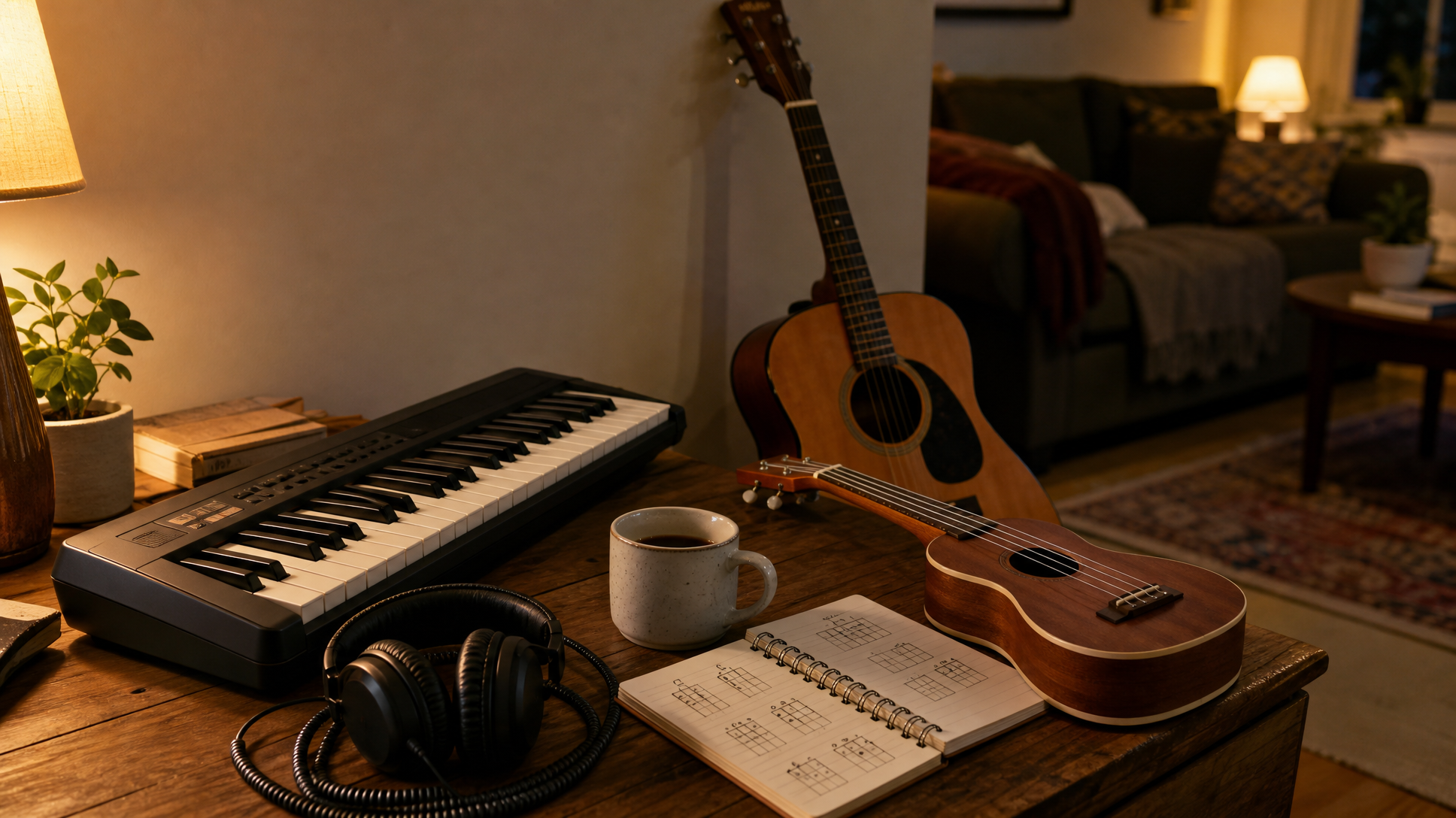
- Keyboards are usually more affordable than traditional pianos and offer volume control or headphone options for quiet practice.
- Acoustic guitars tend to be less expensive and simpler to maintain than electric guitars, which require amps and additional gear.
- Consider renting if you're exploring pricier options like violins, cellos, or drum kits.
- If space is tight—such as in an apartment—a ukulele, recorder, or keyboard may offer a better fit than bulky instruments.
Time Commitment
Different instruments demand different levels of practice and focus.
- Instruments like hand percussion or basic guitar chords allow shorter, more flexible practice sessions.
- Piano, violin, or drum kit players often benefit from frequent, disciplined practice to develop proper technique.
Being honest about your schedule can help you choose an instrument you'll stick with and grow into.
For a deeper dive into these considerations, visit Picking Your First Instrument.
3. Best Beginner-Friendly Instruments for New Musicians
Some instruments naturally lend themselves to beginners—offering ease of learning, affordability, and rewarding progress. Here are some top choices:
Ukulele
- Four soft nylon strings make it easier on the fingers than guitar.
- Lightweight and highly portable.
- Affordable and ideal for all age groups.
- Popular in many music styles, from folk to pop.
Harmonica
- Intuitive to play—its tuning helps minimize mistakes.
- Small enough to carry anywhere.
- Excellent for blues, folk, and rock.
- Celebrate the season with savings — get 5% off your order using code EXCLUSIVE5 at checkoutc
Piano/Keyboard
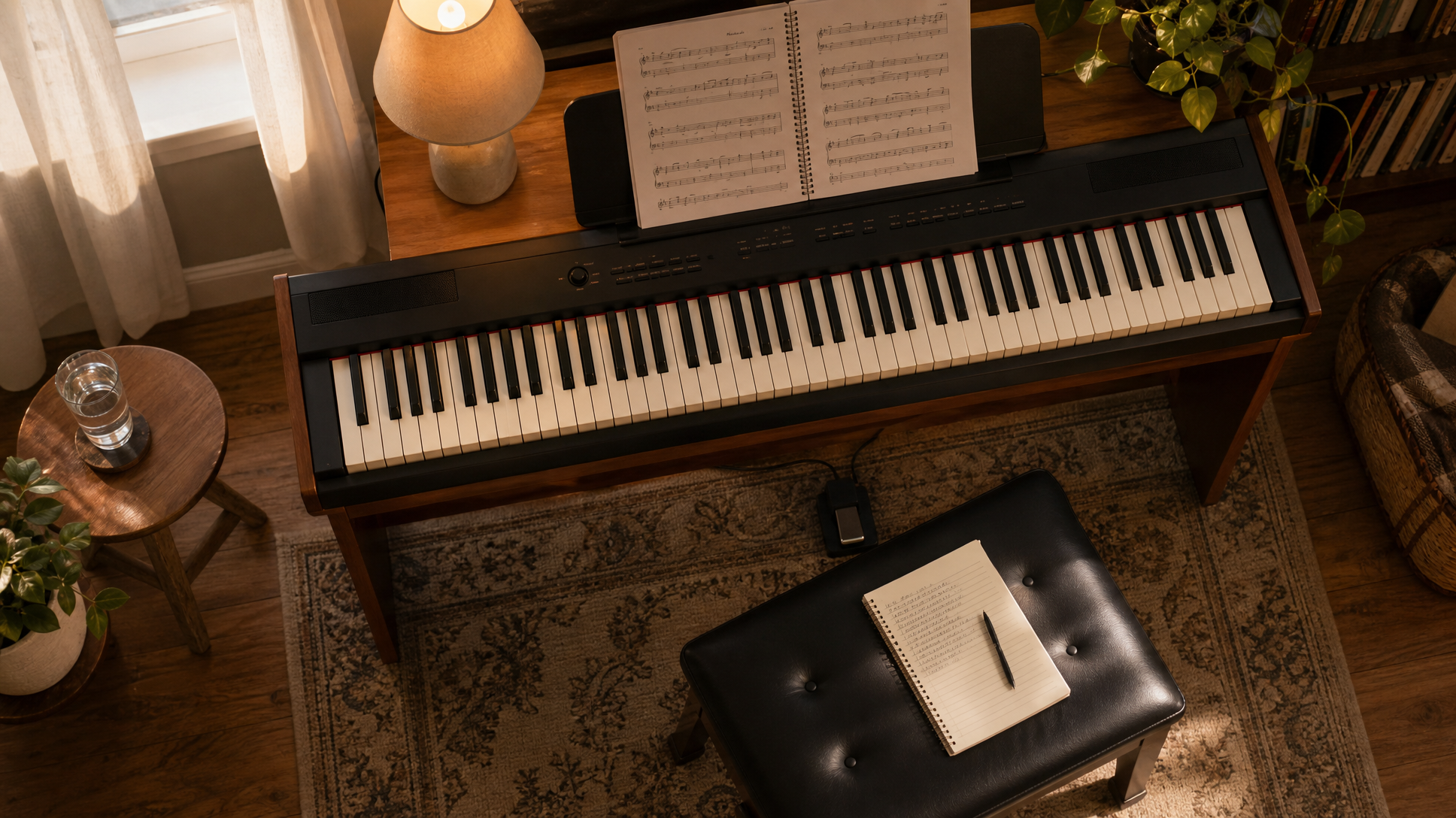
- Straightforward layout is great for grasping music theory and reading notes.
- A strong base for learning other instruments later on.
- Keyboards vary in price and features; many include headphone jacks for quiet play.
- Works across genres from jazz to classical to pop.
Recorder
- An accessible introduction to wind instruments.
- Inexpensive and easy to carry.
- Helps beginners develop breath control and finger coordination.
Handheld Percussion
- Instruments like tambourines or maracas are easy to pick up and play.
- Great for group interaction and learning to keep rhythm.
- Minimal setup means fast results and instant fun.
These instruments offer a smooth entry into music while building essential skills.
For more ideas on beginner-friendly options, see Easy Instruments to Learn.
4. Why Try Before You Buy? The Importance of Trial Lessons and Instrument Testing
Before committing to an instrument, it's smart to get some hands-on experience. Many music schools and shops offer trial lessons or short-term rentals, giving you the chance to:
- See how the instrument feels—whether it's too heavy, awkward, or just right.
- Hear your own progress and assess your interest.
- Learn a few basics without pressure.
- Receive guidance on which instrument suits your abilities and learning goals.
Trial lessons also allow instructors to give you personalized feedback and tips for success, helping you start strong and avoid beginner pitfalls.
“Hands-on experience builds confidence and ensures your choice feels right before investing fully.”
Institutions like the Edmonton Academy of Music offer tailored trial programs for all ages. Their expert-led lessons and flexible starter packages help you experiment with confidence in a supportive environment.
Ready to explore your options? Visit Picking an Instrument to Play for more on trial lessons and beginner consultations.
5. How Music Schools and Teachers Can Enhance Your Beginner Experience
Starting your musical journey with a skilled teacher offers invaluable support:
- Lessons are tailored to your goals, abilities, and learning style.
- A good teacher provides encouragement along with structured progress.
- Schools often host performances, giving you goals to work toward and an outlet to showcase your growth.
- Being part of a musical community fosters connection and long-term motivation.
Programs like those offered at the Edmonton Academy of Music focus on nurturing student-teacher relationships, tracking progress over time, and building both confidence and skills.
With expert guidance, you’re more likely to develop strong technique, avoid bad habits, and stay committed through early challenges.
To learn how expert instruction can support your journey, see A Beginner’s Guide to Choosing the Right Instrument.
6. Combining Passion, Practicality, and Social Factors for a Successful Start
Selecting your first instrument isn’t just about sound—it’s about lifestyle, learning habits, and support networks.
- Your musical tastes fuel your passion—choose something that excites you.
- Stay realistic about time, space, budget, and comfort.
- Surround yourself with encouragement from peers, teachers, and other musicians.
When you strike that balance, you’ll be more likely to practice consistently, progress steadily, and enjoy the journey every step of the way.
Final Tips for Picking Your Perfect First Instrument
- List your favorite music genres and artists.
- Explore beginner-friendly instruments suited to your age, size, and comfort level.
- Set a practical budget that accounts for lessons, accessories, and maintenance.
- Try out instruments in person and notice how each one feels and sounds.
- Take a trial lesson or rent before buying to confirm your choice.
- Look for a teacher or school with experience guiding beginners.
- Create a steady, balanced practice routine that keeps progress fun.
- Join music communities to stay inspired and connected.
Conclusion: Embark Confidently on Your Musical Adventure
Choosing your first instrument is a meaningful step toward creativity and self-expression. By following your musical interests, making informed decisions, and seeking support from knowledgeable teachers, you’ll find the right fit to start strong.
Whether it’s the joyful rhythm of a ukulele, the rich tones of a piano, or the soulfulness of a harmonica, your instrument should inspire you to learn, grow, and express who you are through music.
With the right mix of passion, planning, and support, your musical journey can be rewarding, exciting, and uniquely your own.
For more beginner tips and helpful resources, visit Picking Your First Instrument.
FAQ
Q: What is the best beginner instrument for a child?
A: Instruments like piano, ukulele, and recorder are excellent for children due to their manageable size, ease of learning, and affordability. Piano especially helps with visual learning of music theory.
Q: How can I know if an instrument suits me before buying?
A: Taking trial lessons, renting instruments, or visiting a music store to play and feel the instrument can help you decide if it fits your comfort, style, and interest before making a purchase.
Q: How important is a teacher in learning an instrument?
A: A skilled teacher provides structured guidance, motivation, and correction of technique that significantly improves learning speed and enjoyment, especially for beginners.
Q: Should I consider space and noise when choosing an instrument?
A: Yes. Consider your living situation—keyboards with headphone jacks or quieter instruments like ukulele and recorder work well in apartments, while drum kits and electric guitars may require more space and sound management.
This guide is brought to you by Emusicmart, your trusted source for quality musical instruments and beginner guides.