Cart
0
Choosing your first musical instrument can ignite a lifelong passion for music. This complete guide helps beginners select instruments that are fun, accessible, and perfectly suited to their unique needs and aspirations.
The Best Musical Instruments for Beginners: A Complete Guide to Finding Your Perfect First Instrument
Key Takeaways
- Selecting an instrument that matches your interests and lifestyle boosts motivation and progress.
- Top beginner picks include the ukulele, harmonica, piano/keyboard, recorder, and handheld percussion.
- Budget, space, and learning style are crucial factors in choosing the right instrument.
- Maintenance is generally low for beginner instruments but having the right accessories supports learning.
- Community, resources, and emotional connection greatly enhance the beginner experience.
Table of Contents
- Why Choosing the Right Musical Instrument Matters for Beginners
- Top Beginner Musical Instruments: What Makes Them Great?
- Budget and Space: Practical Considerations for Beginners
- Learning Styles and Goals: Matching Instrument to Personality
- Maintenance and Accessories: Keeping Things Running Smoothly
- Learning Resources and Community Support for Beginners
- The Emotional Connection: The Heart of Musical Growth
- Flexibility and Exploration: Your Musical Path Is Yours
- Conclusion: Your First Step Toward Musical Joy
Why Choosing the Right Musical Instrument Matters for Beginners
Beginning a musical journey should feel inspiring, not intimidating. Starting on an instrument that fits your personal preferences and lifestyle prevents early frustration and boosts engagement. Music educators emphasize that the emotional connection to your instrument is a key predictor of long-term success.
Here’s why selecting the right instrument matters:
- Increased Engagement: Practice feels enjoyable, not like a chore, when you connect with your instrument’s sound and feel.
- Faster Progress: Instruments that align with your learning style help you improve more quickly.
- Practical Fit: The right instrument fits comfortably into your home, budget, and daily routine.
- Emotional Resonance: Feeling connected to your instrument builds dedication and confidence.
Simply put, the “right” instrument keeps beginners motivated and eager to play.
Top Beginner Musical Instruments: What Makes Them Great?
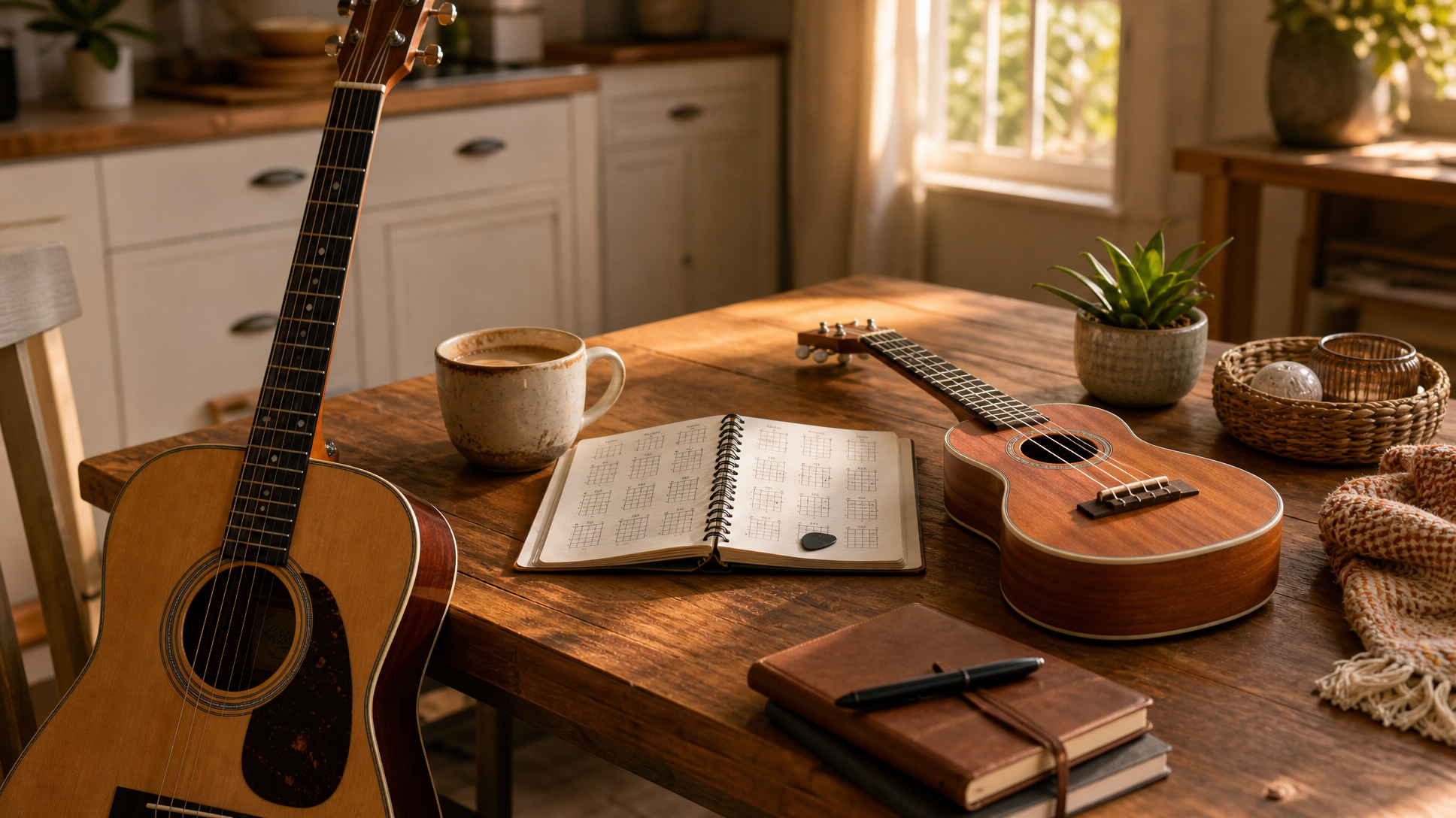
1. Ukulele: The Joyful Jumpstart for Beginners
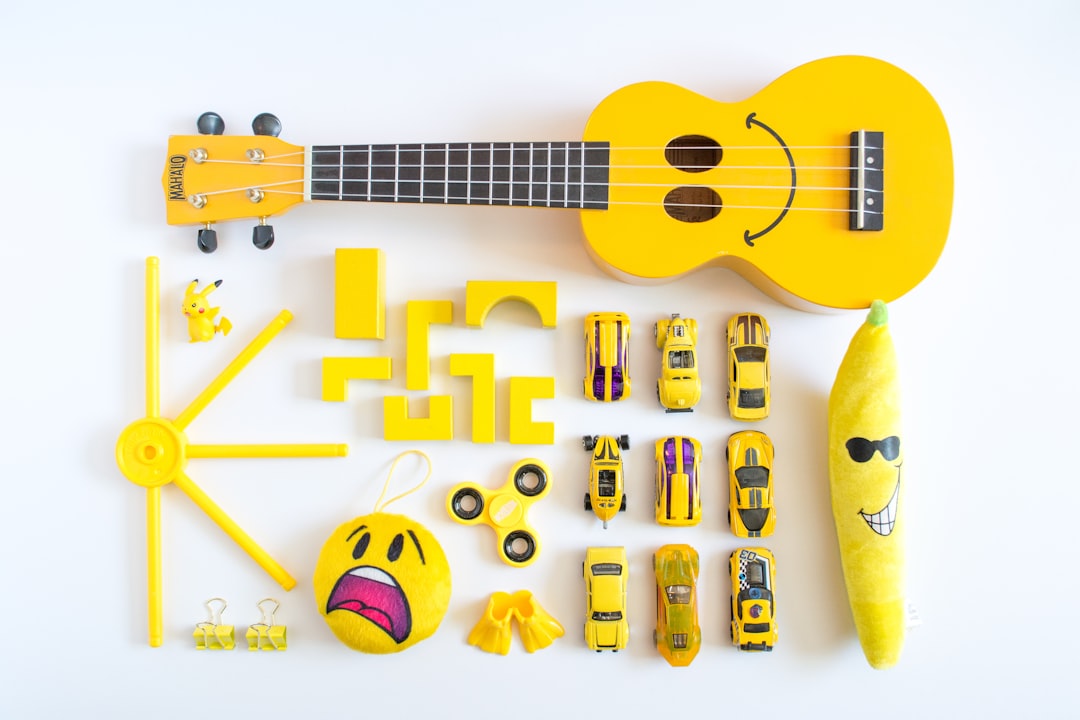
The ukulele is light, compact, and instantly rewarding. It’s famed for its cheerful sound and simple chord shapes that make learning chords quick and satisfying.
- Compact and lightweight, ideal for kids, travel, and small spaces.
- Four nylon strings are gentle on fingers.
- Entry-level models typically range between $50 and $100.
- Encourages social playing through sing-alongs and group jams.
Best for: Beginners looking for fun, singers who want accompaniment, and budget-conscious learners.
Maintenance is minimal—simply store carefully and wipe it down after use.
2. Harmonica: Pocket-Sized and Expressive
Despite its small size, the harmonica produces soulful tones and is intuitive for beginners to start playing melodies quickly.
- Ultra-portable, fits in your pocket for practice anywhere.
- Affordable, with beginner models from $10 to $50.
- Versatile across blues, folk, and country genres.
- Ideal for auditory learners.
Best for: Melodically inclined players and those seeking a low-cost, low-commitment musical start.
Needs basic cleaning and dry storage but can last years with care.
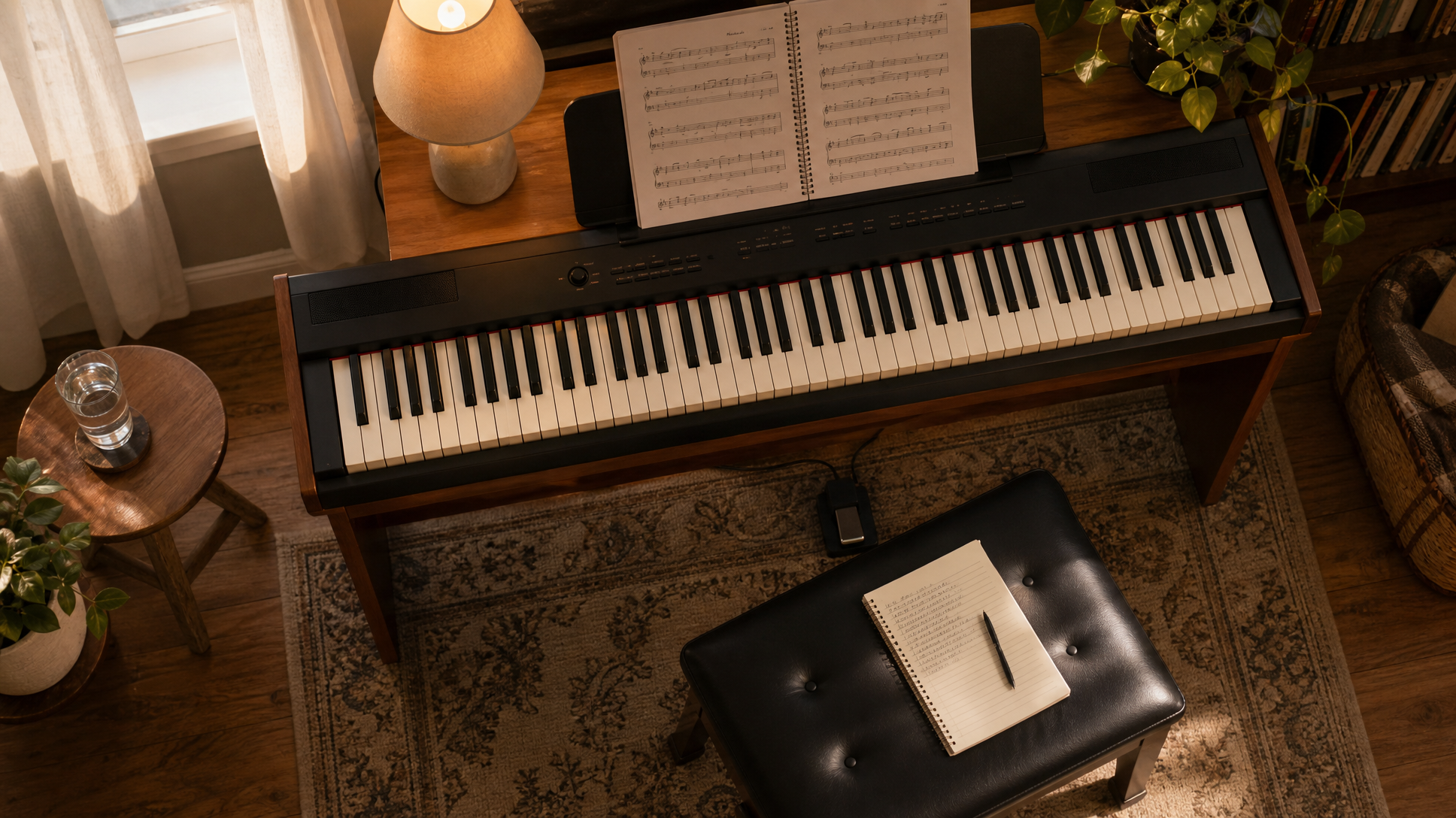
3. Piano/Keyboard: A Learning Powerhouse
With its clear layout and instant sound production, piano or digital keyboard supports deep musical understanding and structured learning.
- Visual layout makes music theory intuitive.
- No tuning required; sound is immediate.
- Entry-level keyboards start around $100 to $300.
- Perfect for structured learners and aspiring composers.
Perfect for: Visual learners and those seeking complex, self-paced study.
Digital keyboards are compact and maintenance-free compared to acoustic pianos.
4. Recorder: A Classic Way to Start
Often first introduced in schools, the recorder is lightweight, affordable, and easy to learn with its straightforward fingering patterns.
Celebrate the season with savings — get 5% off your order using code EXCLUSIVE5 at checkout
- Simple fingering and melodic tone.
- Lightweight and typically priced around $18.
- Great for developing breath control and pitch awareness.
Best for: Young learners and beginners interested in woodwinds and melody.
Requires light care such as drying and cleaning after use.
5. Handheld Percussion: Feel the Beat
Percussion instruments like tambourines, maracas, or cajóns offer an engaging way to explore rhythm without needing to learn notes or chords.
- Extremely easy to start – just shake, tap, or strike.
- Prices range from around $10 to $200 depending on the instrument.
- Portable and suited for small spaces and group settings.
- Develops timing, coordination, and social playing skills.
Great for: Kinesthetic learners who enjoy physical expression and group playing.
Minimal upkeep needed—basic cleaning and storage are sufficient.
Budget and Space: Practical Considerations for Beginners
When choosing your first instrument, factor in your budget and available space. Luckily, many beginner instruments are affordable and compact.
- Prices range from $10 (harmonica) to $300 (digital keyboards).
- Renting or buying used instruments can cut costs.
- Include accessory expenses like tuners, stands, and cases in your budget.
- Compact instruments like ukuleles, harmonicas, and percussion fit comfortably in small spaces.
- Have a dedicated, accessible space for practice and storage.
Learning Styles and Goals: Matching Instrument to Personality
Align your instrument choice with how you learn best and what you want from music.
- Visual Learners: Piano/keyboard with clear visual layouts.
- Auditory Learners: Harmonica and voice for tone and phrasing focus.
- Kinesthetic Learners: Ukulele and percussion for hands-on learning.
- Detail-Oriented Learners: Piano and violin for technical mastery.
Also, reflect on whether you want to jam socially, compose, or pursue classical pieces—your goals will guide your best fit.
Maintenance and Accessories: Keeping Things Running Smoothly
Most beginner instruments require low upkeep, but some care ensures better sound and longevity.
- Low-maintenance: Ukulele, harmonica, recorder, and percussion only need basic wiping and storage.
- Keyboards: Digital models require dusting; acoustic pianos need professional tuning.
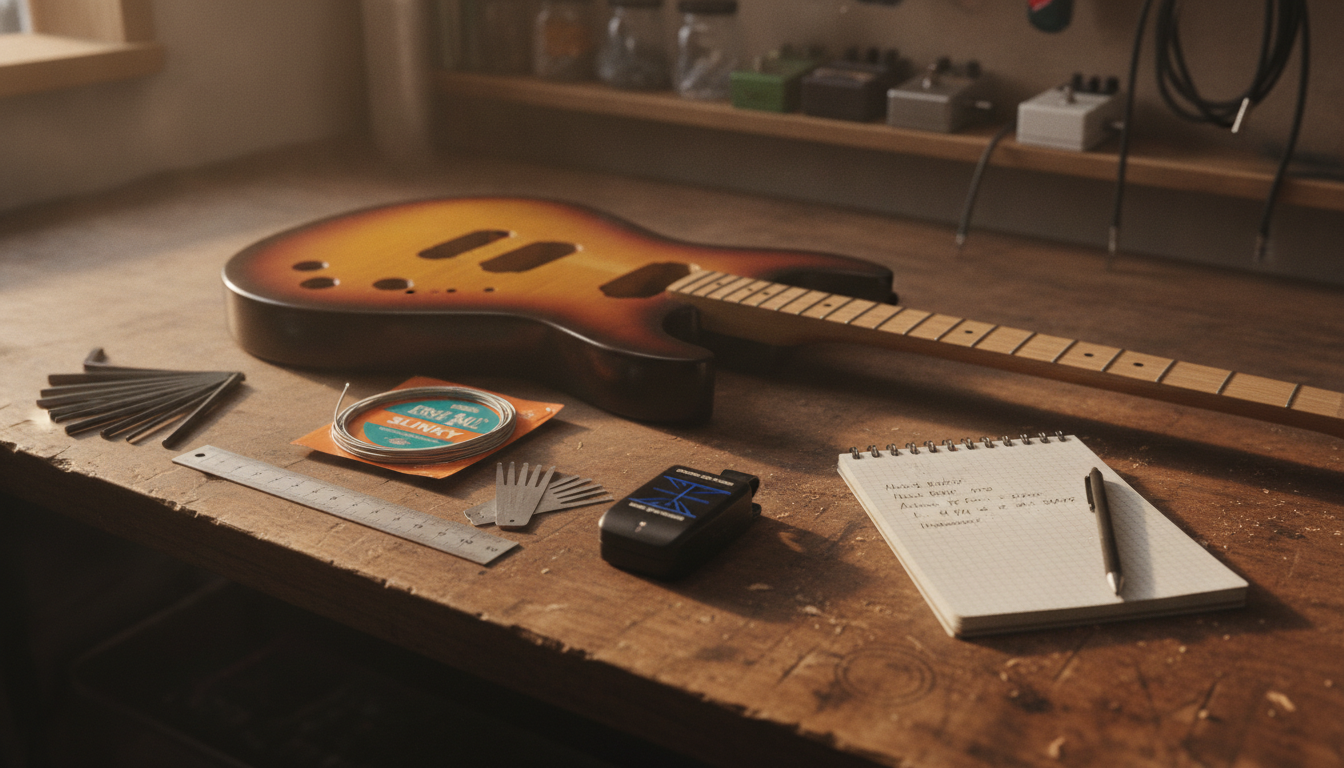
- Useful accessories: Tuners, cases, cleaning kits, and instructional materials aid your progress.
Learning Resources and Community Support for Beginners
Quality instruction and community support are vital for development and motivation.
- In-person lessons: Ideal for personalized technique coaching.
- Online platforms: Apps and tutorials allow flexible, affordable self-study.
- Group classes: Great for social learners, especially with ukulele or percussion.
- YouTube and blogs: Free resources for exploring at your own pace.
Joining local meetups or online groups adds motivation and joy to your learning journey.
The Emotional Connection: The Heart of Musical Growth
The bond you form with your instrument goes beyond technique; it fuels your passion and persistence.
"That heart-level connection can be the spark that keeps you picking up your instrument, even on tough days."
Whether the uplifting tone of the ukulele or the soulful expressiveness of the harmonica, emotional resonance makes practice feel meaningful and joyful.
Flexibility and Exploration: Your Musical Path Is Yours
Your first instrument doesn’t have to be your only instrument. Exploring new instruments over time enriches your musical life.
- Try jam sessions to sample different sounds.
- Rent instruments before committing to buy.
- Take trial lessons to test your fit.
- Stay curious and open to evolving your musical identity.
Conclusion: Your First Step Toward Musical Joy
Choosing the right beginner instrument blends practicality with personal connection. From the cheerful ukulele to the soulful harmonica, each offers a welcoming starting point.
Consider your budget, space, learning style, and what moves you emotionally. Explore the wealth of online and local resources, and most importantly, keep the journey joyful and exploratory. Your perfect first instrument awaits, ready to bring your unique musical voice to life.
For more tips and beginner-friendly instrument comparisons, explore trusted guides like Venice Music, Ditto Music, and Sloan School of Music. Start your musical journey with confidence—and plenty of joy.
Frequently Asked Questions
Which is the easiest musical instrument to learn for beginners?
The ukulele is often considered the easiest for beginners due to its simple chords, gentle strings, and compact size. Other easy options include the harmonica and recorder.
How much does a beginner instrument typically cost?
Costs vary widely, with beginner instruments ranging from around $10 (harmonica) to $300 (digital keyboards). Many quality starter models are affordable, and renting or buying used gear is also an option.
Do I need lessons to start playing an instrument?
While lessons can speed your progress and ensure good technique, many beginners succeed with online tutorials, apps, and self-study, especially for accessible instruments like ukulele and harmonica.
What maintenance is needed for beginner instruments?
Most beginner instruments require only basic cleaning, proper storage, and occasional part replacement. Keyboards need dusting, while acoustic pianos may require professional tuning.
Can I switch instruments later on?
Absolutely. Many musicians start with one instrument and transition to others as their interests and skills evolve. Your first instrument is the start of your musical exploration, not a restriction.