Cart
0
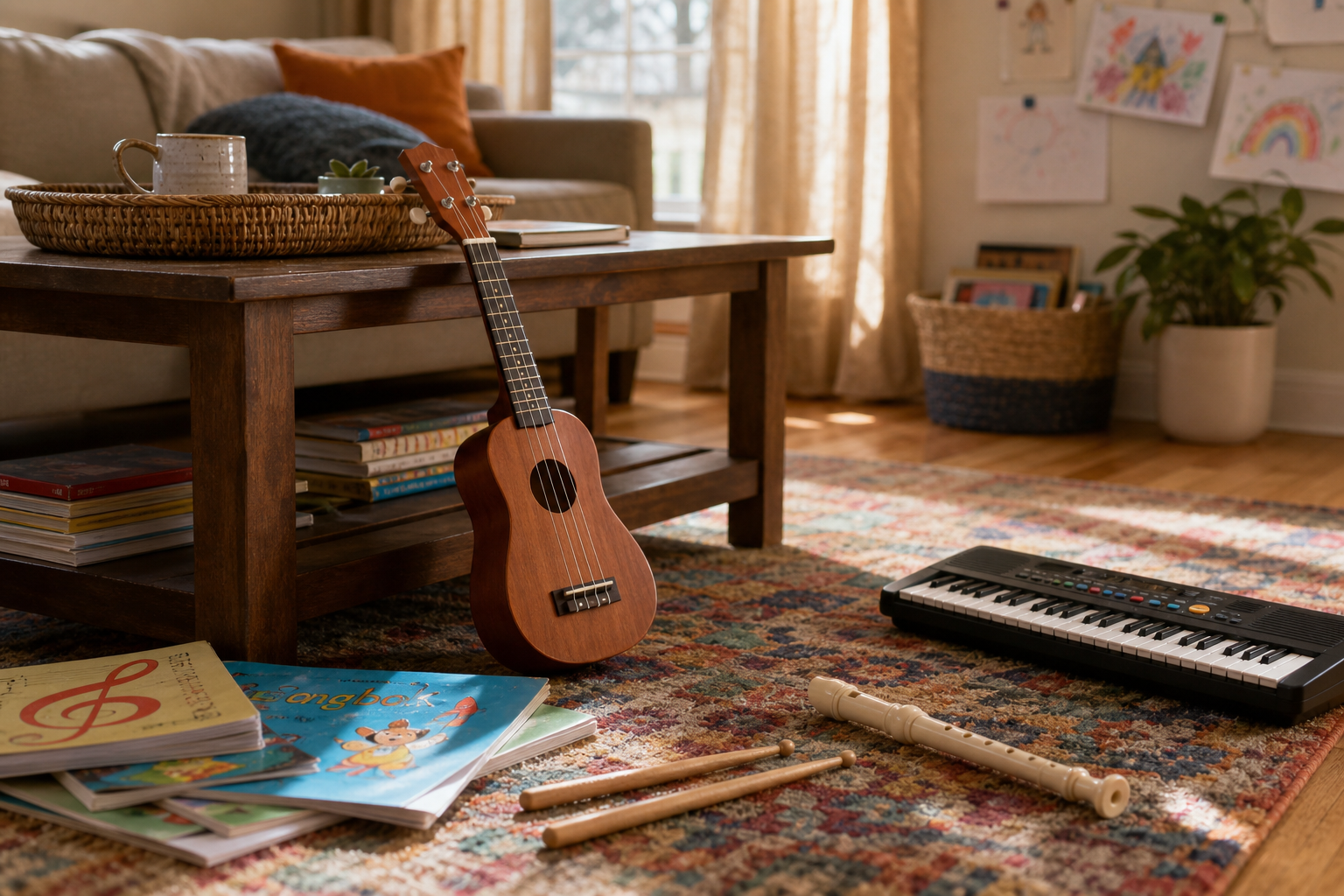
Every parent has been there: you buy the shiny guitar, your kid strums it twice, and three months later it's holding up a corner of the bedroom. The instrument wasn't the problem — the fit was. Choosing a first instrument isn't really about what's cheapest or what you played as a kid. It's about matching the right tool to your child's age, attention span, and the kind of music they actually get excited about.
Here's a straightforward look at five instruments that consistently work well as starting points, ranked by how realistic they are for a beginner kid — not just in theory, but past the first month.
1. Ukulele — The Easiest Win for Ages 5 and Up
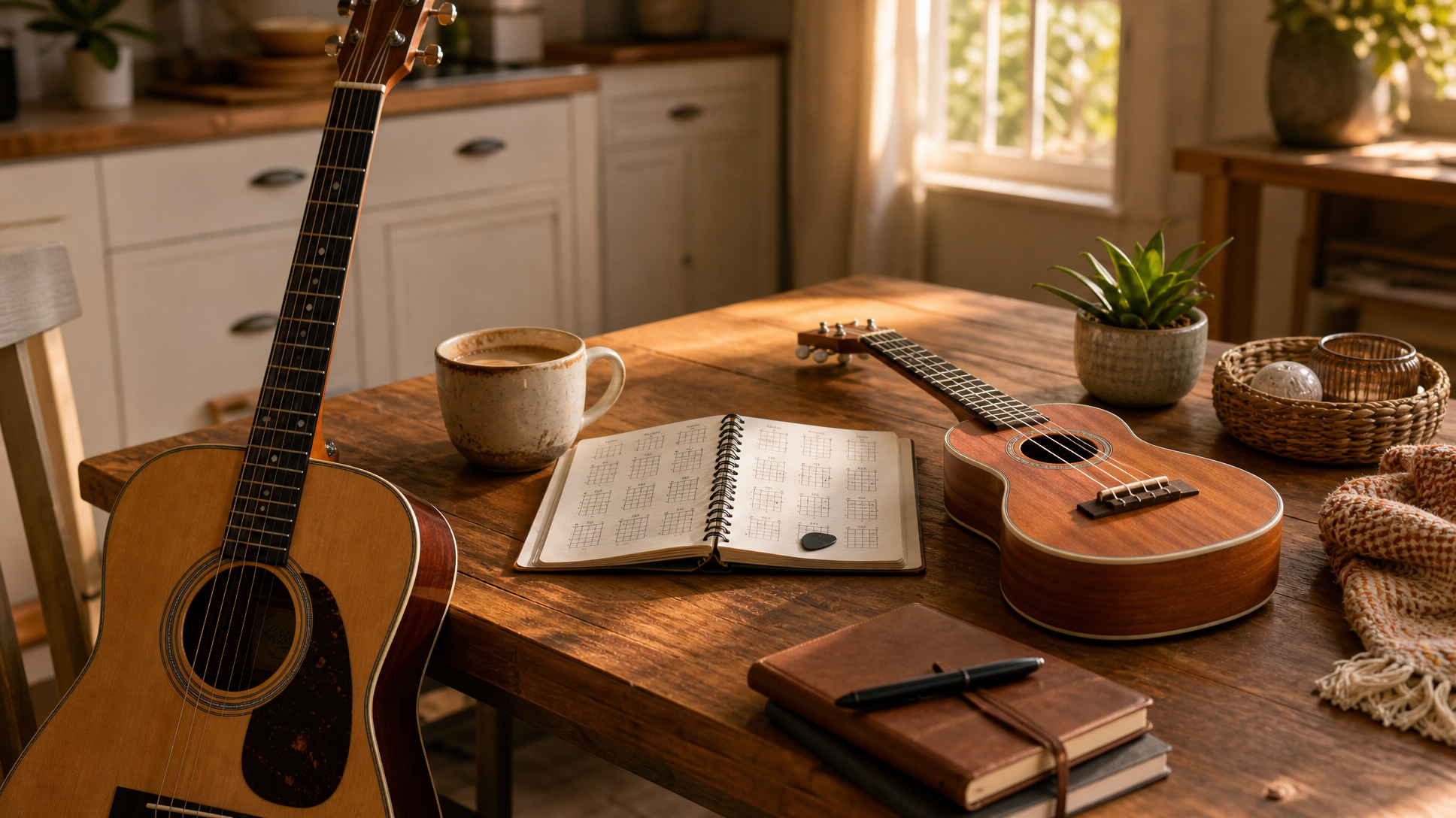
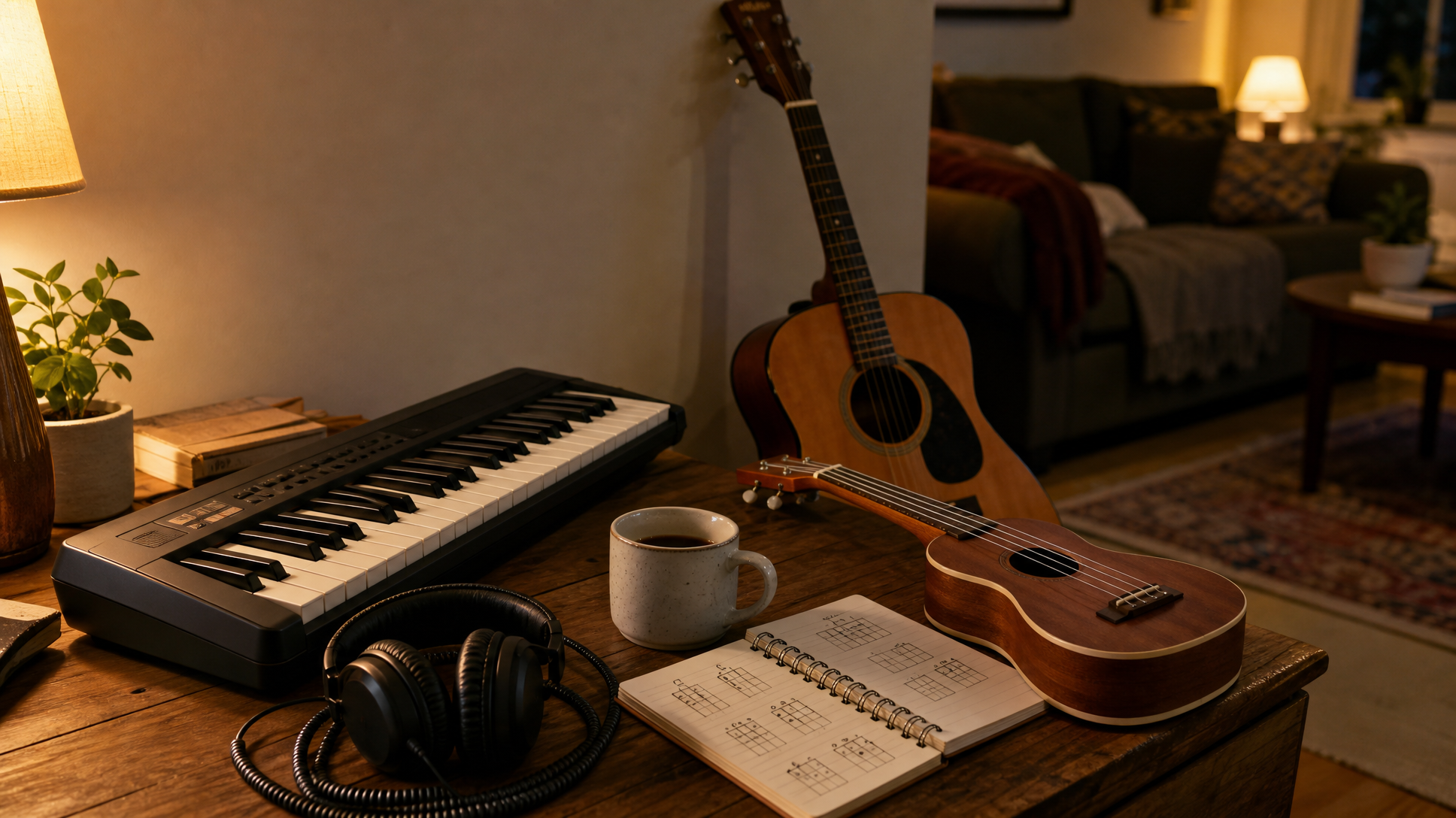
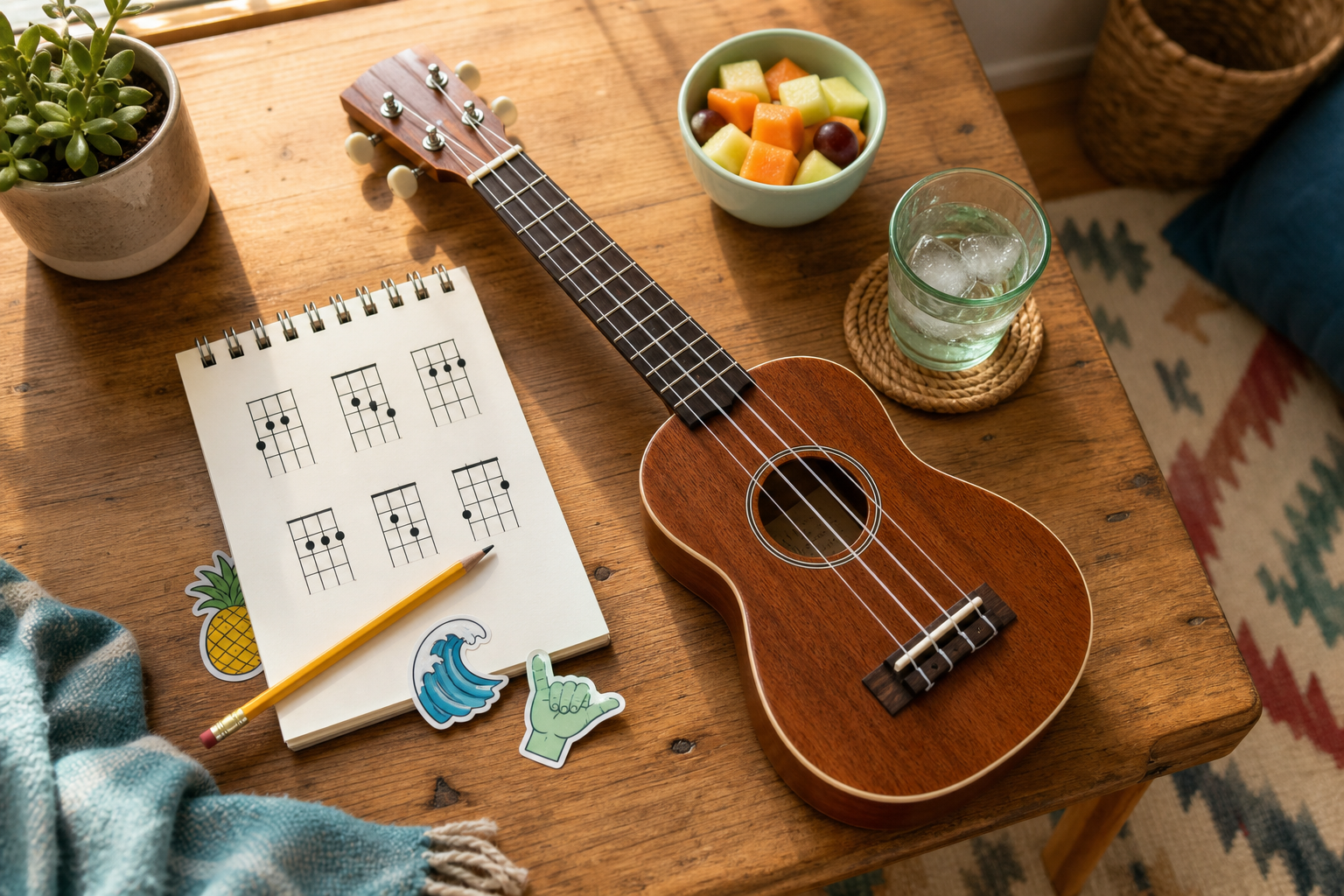
The ukulele earns the top spot for one simple reason: it produces a real, satisfying sound almost immediately. Four strings, soft nylon construction, and a small body that actually fits a child's hands. A kid can learn a handful of chords in a couple of weeks and strum along to recognizable songs — which is the single biggest predictor of whether they'll keep going.
It's also genuinely affordable to start. If your child loses interest, you're not out much. If they stick with it, the chord knowledge transfers directly to guitar later. For younger kids especially, the ukulele is the rare instrument where the gap between "I just started" and "I can play something" is measured in days, not months.
2. Keyboard — Best for Kids Who Want to Play Songs Right Away
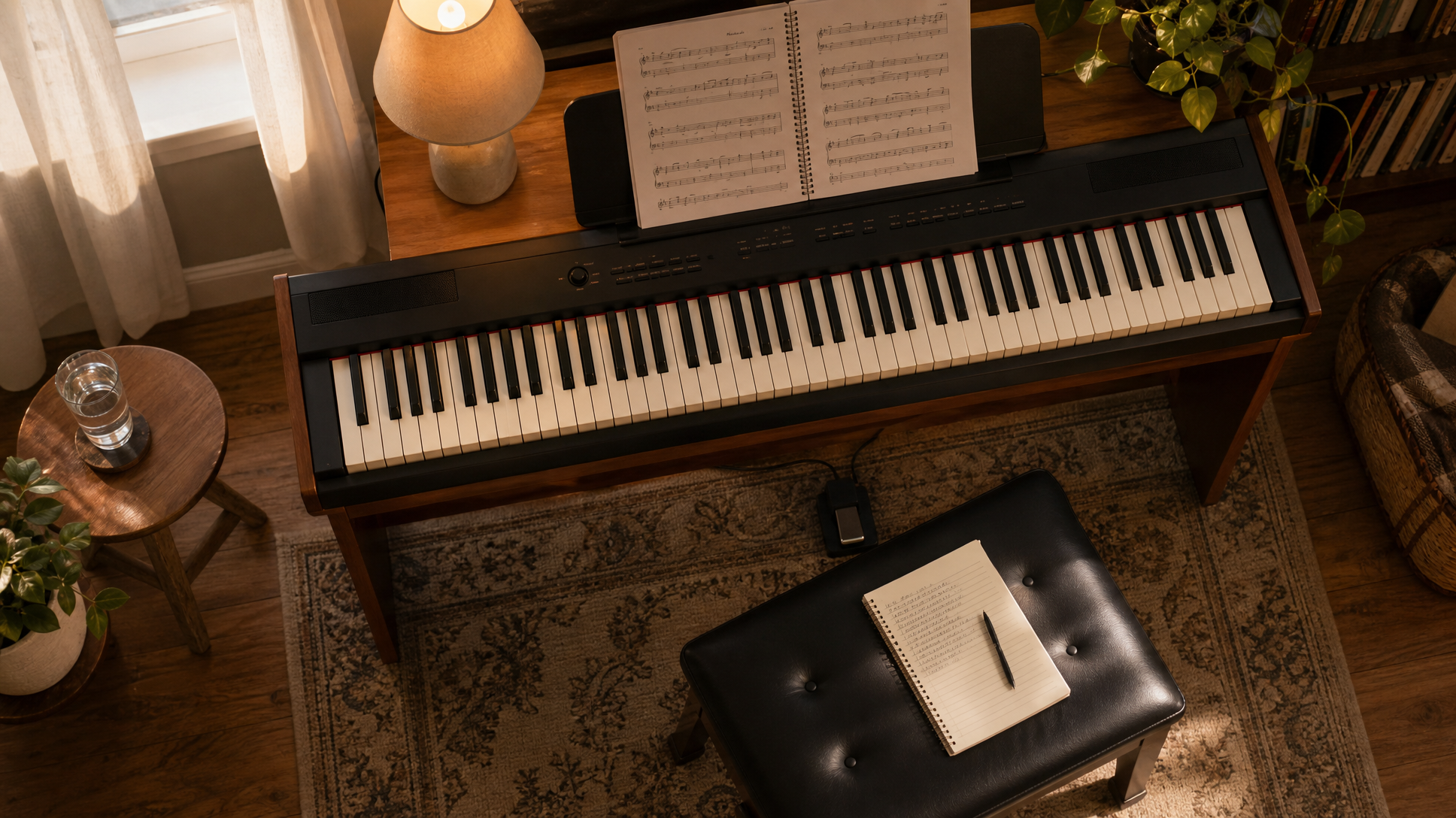
A beginner keyboard is the most versatile option on this list. It covers melody, harmony, and rhythm in one instrument, and most entry-level keyboards come with built-in learning features — light-up keys, demo songs, and simple lesson modes — that let kids explore on their own without waiting for a teacher.
The learning curve is gentler than guitar because there's no finger pain, no awkward hand position to develop, and the relationship between notes is visual and logical. Middle C is always in the same place. That said, keyboards do take up physical space and need a power source, so factor that into your setup before buying. A 61-key model is a solid starting size for most kids — enough range to grow into, without the footprint of a full 88-key.
3. Recorder — Underrated, Especially for Ages 5–8
Yes, the recorder. It gets a bad reputation because it sounds terrible when played badly — but that's true of every instrument. When a child actually learns to cover the holes properly and control their breath, the recorder is a genuinely expressive little instrument with a centuries-long musical history behind it.
Its real advantage is price and portability. It's one of the least expensive ways to introduce a young child to reading music, breath control, and fingering technique — skills that transfer cleanly to flute, clarinet, or saxophone later. If your child is in the 5–8 range and you're not sure they'll commit, the recorder is a low-stakes way to find out whether they enjoy the discipline of learning an instrument at all.
4. Practice Drum Pad — For the Kid Who Can't Stop Tapping
You know this child. They drum on the dinner table, the car seat, their own knees. A practice drum pad with a pair of sticks gives that energy a direction without the volume of a full kit — and without the price tag.
Drumming develops coordination and rhythm in a way no other instrument does, and kids who are naturally drawn to percussion tend to stay drawn to it. A single pad won't teach them the full kit, but it will teach them stick grip, basic rudiments, and the muscle memory that makes the jump to a real drum set far less overwhelming. It's also compact enough to live in a bedroom without a major rearrangement.
One honest caveat: drumming is harder to self-teach than ukulele or keyboard. If your child is serious, a few lessons early on will make a significant difference in how they develop.
5. Beginner Guitar — Right Instrument, Wrong Age (Sometimes)
Guitar is the most-requested first instrument and, for older kids, a genuinely great choice. But it's consistently bought too early. Pressing steel strings hard enough to produce a clean chord requires fingertip calluses that take weeks to build, and small hands — typically under age 8 or 9 — often can't stretch comfortably across a standard fretboard.
If your child is 10 or older and specifically wants to play guitar, go for it — just make sure you're sizing the instrument correctly. A full-size acoustic guitar on a nine-year-old is a recipe for frustration. A 3/4-size model, or a classical guitar with nylon strings, is a much kinder starting point. For younger kids who love the idea of guitar, the ukulele is the better bridge: same chord logic, far less friction.
The One Thing That Matters More Than the Instrument
Whatever you choose, buy something that works properly out of the box. A cheap, poorly set-up guitar with high action, a keyboard with sticky keys, or a recorder that leaks air will make learning feel harder than it is — and your child will assume they're the problem. Quality doesn't mean expensive. It means buying from a retailer you can trust, with a real return policy if something arrives wrong.
If you're not sure where to start, this guide on ordering instruments online covers exactly what to check before you buy — setup quality, shipping reliability, and what to look for in a return policy — all things that matter even more when you're buying for a kid.
The right instrument, sized correctly and in playable condition, gives your child a real chance. That's the whole equation.
Browse beginner instruments for kids at Emusicmart and find the right starting point for your child.
Frequently Asked Questions
What age should a child start learning an instrument?
Most children are ready to begin structured instrument learning between ages 5 and 7, though it varies by child. Simpler instruments like the ukulele or recorder suit younger kids well, while guitar and drums often work better once a child is closer to 8 or 9 and has the hand strength and focus to practice consistently.
Should I buy a full-size or smaller instrument for my child?
Always size down for younger players. A full-size guitar or keyboard that's physically awkward to hold will slow progress and cause frustration. For guitars, a 3/4-size or nylon-string classical model is a better fit for most kids under 10. Ukuleles are naturally compact, which is part of why they work so well for young beginners.
Does my child need lessons, or can they learn on their own?
It depends on the instrument. Keyboard and ukulele are among the most self-teachable options, especially with the volume of free video lessons available online. Drums and guitar benefit more from early in-person guidance to prevent bad habits from forming. Even a few lessons at the start can make a lasting difference in how a child develops technique.
How do I know if my child will actually stick with it?
There's no guarantee, which is exactly why starting with a lower-cost, easier instrument makes sense. The ukulele and recorder let you test genuine interest before committing to more expensive gear. Watch for whether your child picks the instrument up voluntarily — that's a much better sign than how enthusiastic they were in the store.