Cart
0
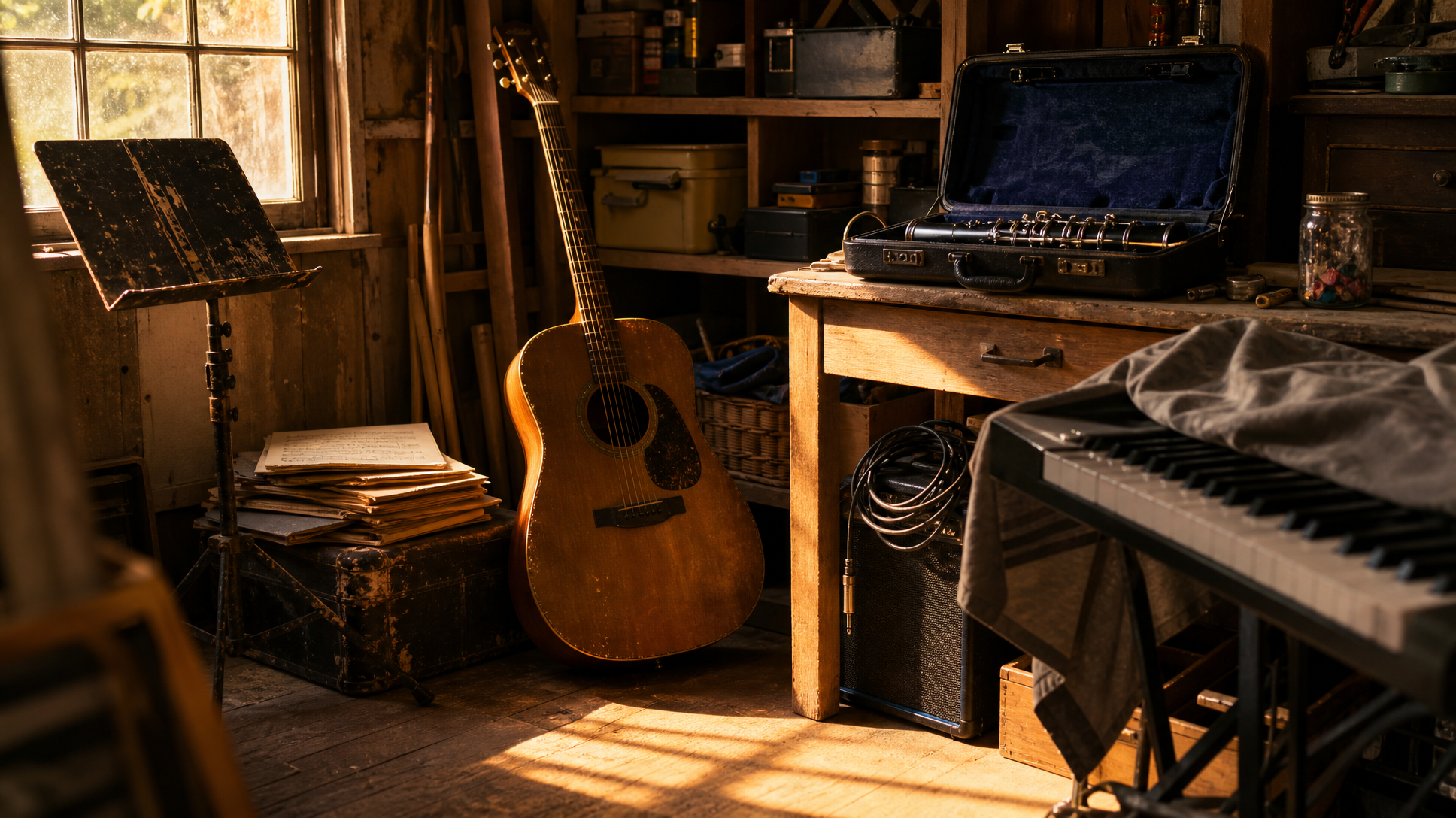
Most musicians have at least one. A first guitar that got replaced by something better. A student-model clarinet from middle school band. A keyboard that seemed like a great idea before you realized you were more of a drummer. These instruments sit in closets, under beds, and in garages for years — not because you're lazy, but because figuring out what to actually do with them takes more thought than it seems.
Here's a clear-headed look at your real options, what each one requires, and how to decide which path fits which instrument.
First: Is It Worth Selling, or Better to Donate?
This is the question most people skip, and it costs them time. Not every old instrument is worth listing online. A beat-up student-model instrument from a big-box brand — one with stuck keys, a warped neck, or missing hardware — may fetch so little that the effort of photographing it, listing it, answering questions, and shipping it isn't worth your afternoon.
A rough mental filter: if the instrument is in playable condition and was originally a mid-range or better model, it's probably worth selling or trading. If it's a very entry-level instrument with significant wear, a school or nonprofit will get more use out of it than you'll get cash — and you'll get the donation done in an hour instead of a month.
Option 1: Donate to a School, Program, or Nonprofit
This is the fastest path and often the most satisfying one. Music programs at public schools — especially in underfunded districts — are almost always short on instruments. A working student clarinet, a playable acoustic guitar, or a functional beginner violin can go directly into a kid's hands within days of your donation.
A few places worth contacting directly:
- Local public school music departments — call the school's main office and ask to speak with the band or orchestra director. They'll tell you exactly what they need and whether your instrument is suitable.
- Community music schools and nonprofits — organizations like VH1 Save The Music and local equivalents exist specifically to get instruments into underserved programs. Search for music nonprofits in your city.
- Houses of worship and community centers — many run youth music programs that are perpetually underfunded.
One honest note: most programs want instruments in playable condition. A clarinet with a cracked body or a guitar with a broken headstock usually isn't useful to them unless they have a repair program. Check before you drop it off.
If you donate to a registered nonprofit, you may be able to claim a tax deduction for the fair market value of the instrument. Keep any documentation they provide.
Option 2: Sell It — Online or Locally
If the instrument is in decent shape and has some resale value, selling is a reasonable choice. The two main routes are online marketplaces and local sales, and they have genuinely different tradeoffs.
Selling Locally
Facebook Marketplace and Craigslist are where most used instruments actually move at the local level. The advantages: no shipping hassle (huge for anything large or fragile), cash in hand, and a faster transaction. The disadvantage: your buyer pool is limited to your metro area, so niche or higher-end instruments may sit longer or sell below value.
For guitars, amps, keyboards, and drums, local is often the right call. Pianos almost always need to be sold locally — the logistics of shipping one are prohibitive.
Selling Online
Dedicated music gear marketplaces give you access to a national pool of buyers who actually know what they're looking at. This matters for anything with specific model appeal — a particular guitar model, a vintage-style instrument, or a piece of studio gear that a buyer in another state might specifically be searching for.
The tradeoff is shipping. Instruments are awkward to pack, and anything with a neck is fragile in transit. Factor in packing materials, a proper hard case or box, and the time it takes to do it right. A poorly packed guitar that arrives damaged is a headache for everyone.
Pricing It Honestly
Search completed sales for your specific model before you set a price. What people ask and what they actually get are often different numbers. Price it to sell, not to maximize — an instrument that sits for three months and then sells for less anyway costs you time.
Option 3: Trade In
Some music retailers accept trade-ins, either as store credit toward a new purchase or as outright cash. This is worth exploring if you're already planning to upgrade — you get the friction of selling handled for you, and the credit goes directly toward your next instrument.
The honest caveat: trade-in offers are typically lower than what you'd get selling privately. You're paying for the convenience. If the instrument has meaningful resale value, compare what a retailer offers against what the private market looks like before you decide. For lower-value instruments where private selling feels like more effort than it's worth, a trade-in can be the cleanest solution.
Option 4: Keep It as a Practice or Backup Instrument
Sometimes the right answer is: don't get rid of it yet. A second guitar in a different tuning, a backup snare, a beater instrument you can leave at a rehearsal space without worrying about it — these have real utility. If you play regularly, think about whether the instrument serves a practical function before you commit to moving it on.
Option 5: Repurpose It
This one gets mentioned a lot in passing, so let's be direct about when it actually makes sense: almost never, unless the instrument is genuinely beyond playable condition. A broken acoustic guitar with a cracked top can become wall décor or a conversation piece. A snapped-neck bass isn't going to sell or get donated — turning it into something decorative is a reasonable end for it.
But repurposing a working instrument as décor because you haven't gotten around to selling it is just procrastination with better aesthetics. If it plays, find it a home where someone will actually play it.
A Quick Guide by Instrument Type
- Student-model band instruments (clarinet, flute, trumpet, etc.): Donate first if they're playable. Schools need these constantly. If it's a step-up or professional model in good shape, sell it.
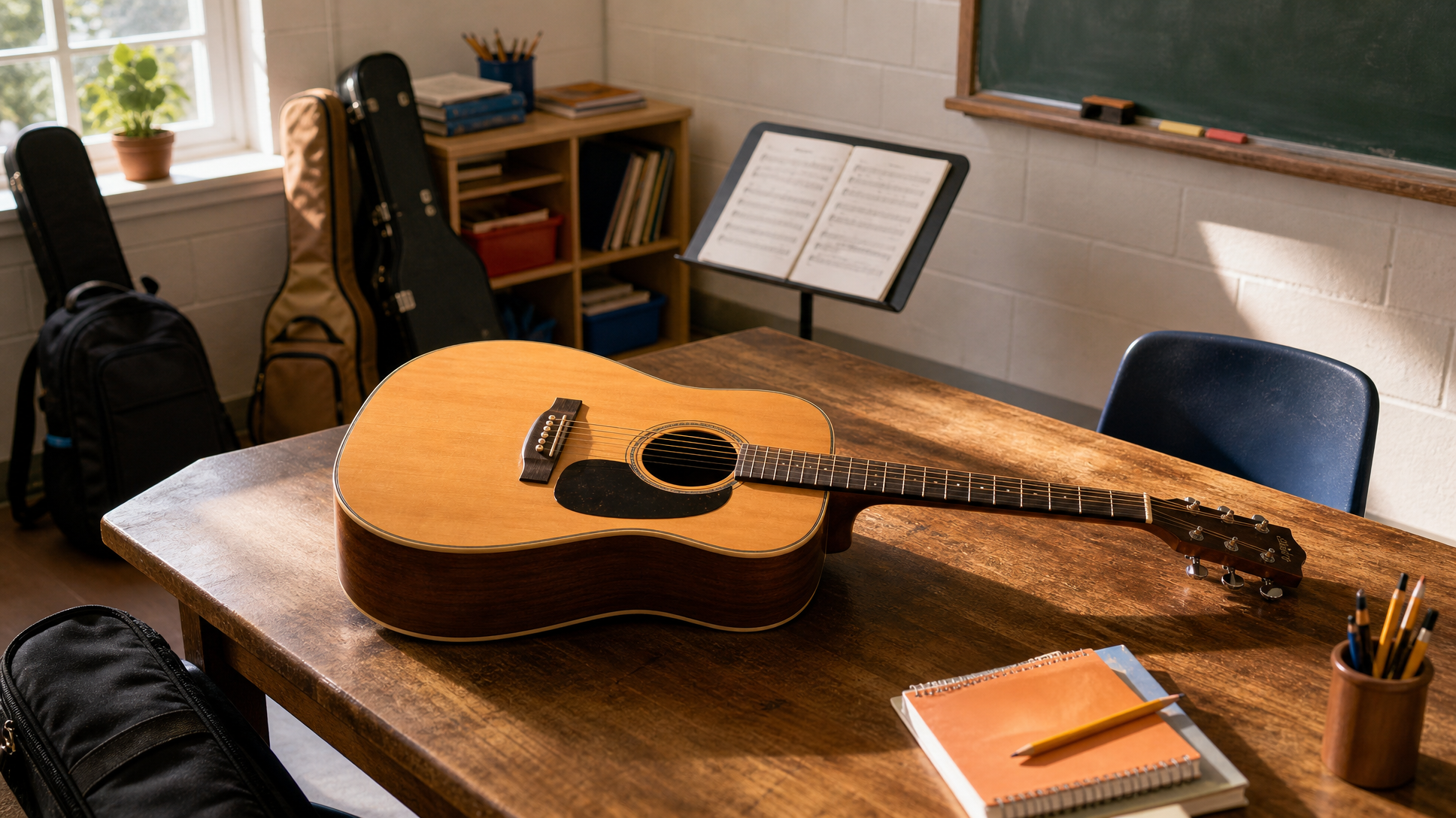
- Acoustic and electric guitars: Sell locally if it's a common model. List online if it's a specific model that buyers search for by name. Donate beginner guitars in good condition to school programs.
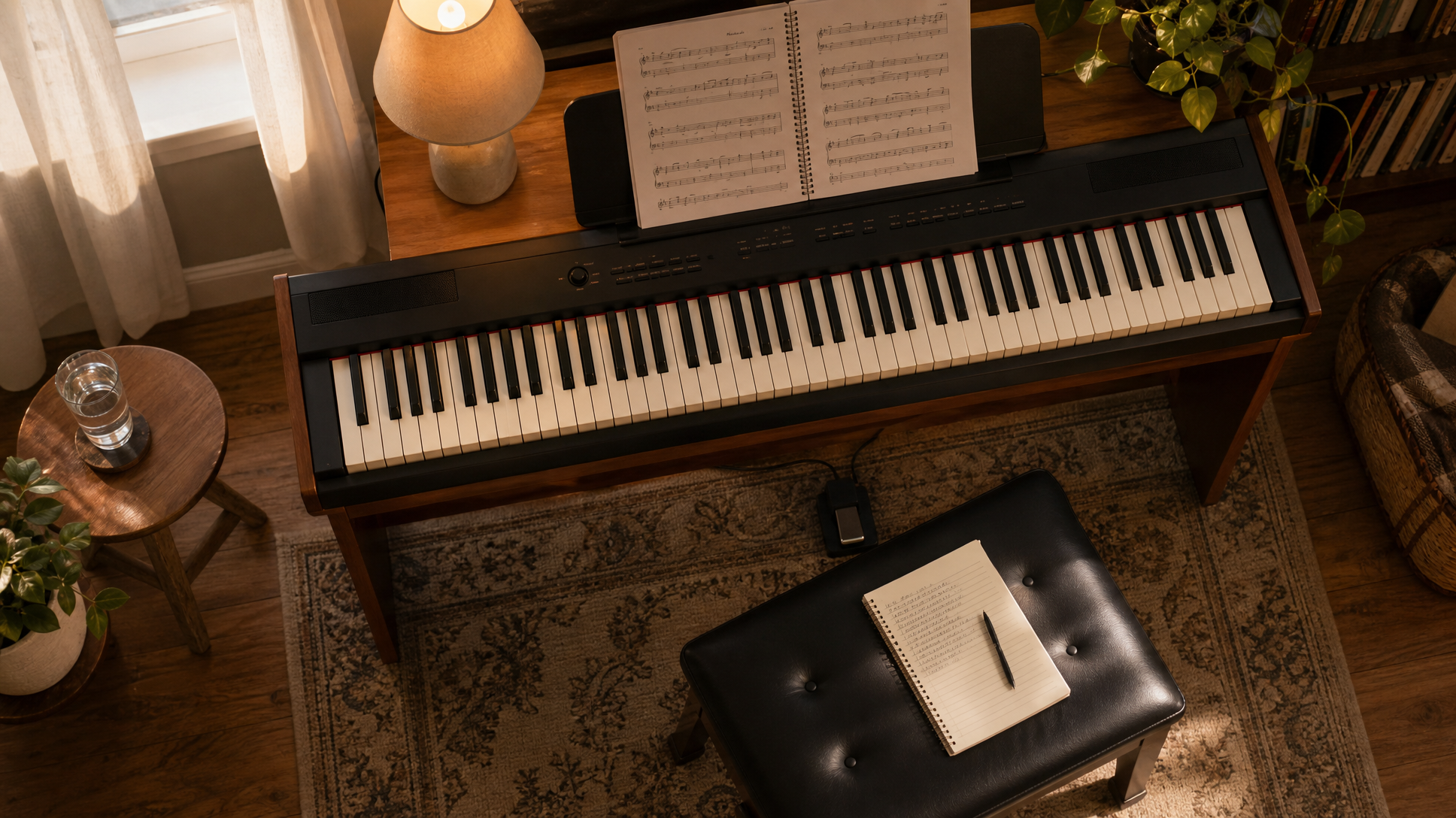
- Keyboards and digital pianos: Sell locally — shipping these is difficult and expensive. Facebook Marketplace works well for this category.
- Acoustic pianos: Local only, always. Donation can be complicated here — pianos need to be in tune and in good mechanical condition for most programs to accept them, and moving costs fall on you or the recipient. Be upfront about its condition before offering it.
- Drum kits: Sell locally. Acoustic kits are bulky and shipping individual drums is rarely worth it. Electronic kits ship more easily and have a strong online market.
- Studio and recording gear: Online marketplaces work well here — the buyer pool is national and buyers know exactly what they want.
The One Thing Worth Doing Before Any of This
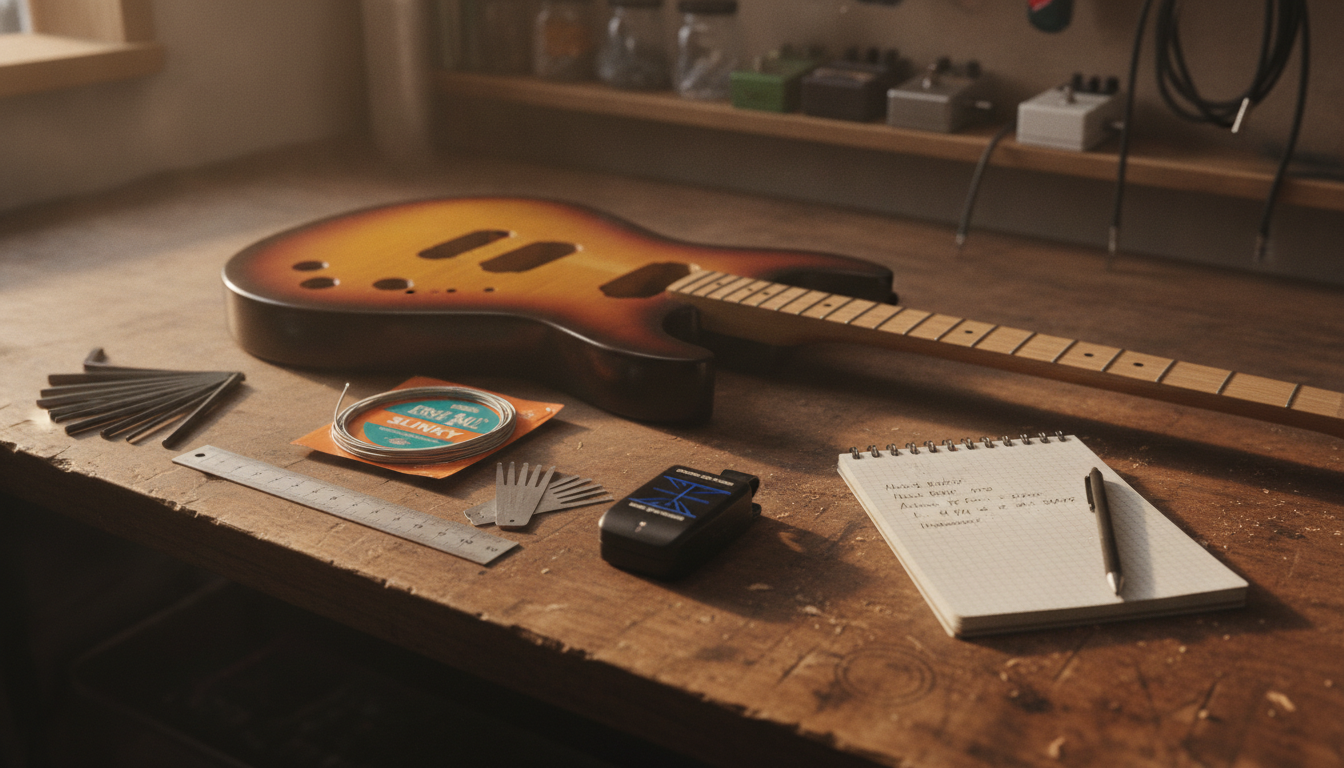
Get the instrument into playable condition if it isn't already — or at least be honest about its condition in whatever path you choose. A guitar with a fresh set of strings and a basic clean-up sells faster and donates easier than one that looks neglected. A clarinet with a cracked pad should be disclosed upfront. This isn't just about ethics; it's practical. Buyers who feel misled leave bad reviews. Programs that receive unusable instruments stop accepting donations from people like you.
Five minutes of honesty about the instrument's actual state saves everyone time.
And when you've cleared out what's no longer serving you and you're ready to bring in something that will — browse Emusicmart's full instrument catalog for clear pricing, U.S.-based shipping, and none of the guesswork that comes with marketplace listings. Before you buy anything online, it's also worth checking out what to look for when ordering instruments online — the details matter more than most people expect.
Frequently Asked Questions
Can I donate an instrument that needs repairs?
It depends on the program. Some school districts and nonprofits have repair budgets or partnerships with local luthiers and technicians, and they'll accept instruments that need minor work. Others only take instruments that are immediately playable. Call ahead and describe the instrument's condition honestly — most program directors will tell you quickly whether it's useful to them.
How do I figure out what my old instrument is actually worth?
Search for your specific make and model on used gear marketplaces and look at completed or sold listings, not just active ones. What sellers are asking and what buyers are actually paying are often different. Condition matters a lot — a well-maintained instrument of the same model can sell for significantly more than one with heavy wear. If you can't find comparable sales, a local music shop may be able to give you a ballpark appraisal.
Is donating an instrument tax-deductible?
It can be, if you donate to a registered 501(c)(3) nonprofit organization. The deduction is typically based on the fair market value of the instrument at the time of donation. Ask the organization for a written acknowledgment of the donation, and consult a tax professional if the instrument has significant value. Donating directly to a public school may or may not qualify depending on how the school is structured — worth checking with a tax advisor.
What's the safest way to ship an instrument I've sold online?
Use the original case if you have it, and pack it inside a larger box with padding on all sides — foam, bubble wrap, or packing paper. Necks on stringed instruments are the most vulnerable point; make sure there's no movement inside the case. Loosen string tension slightly before shipping. Always use a tracked shipping service and consider purchasing shipping insurance for anything with meaningful value. Photograph the instrument and the packed box before you seal it, in case a damage claim becomes necessary.