Cart
0
Essential Tips for Keeping Your Musical Instruments in Top Shape
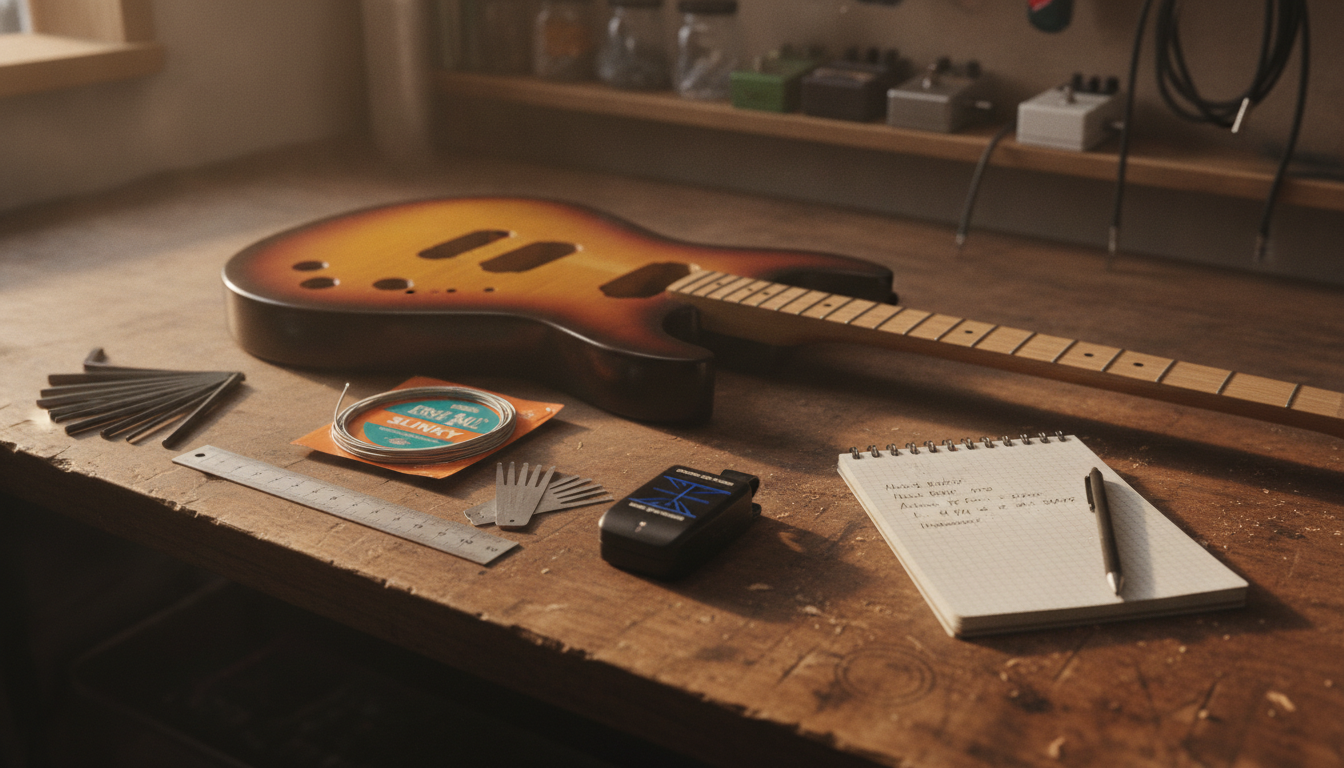
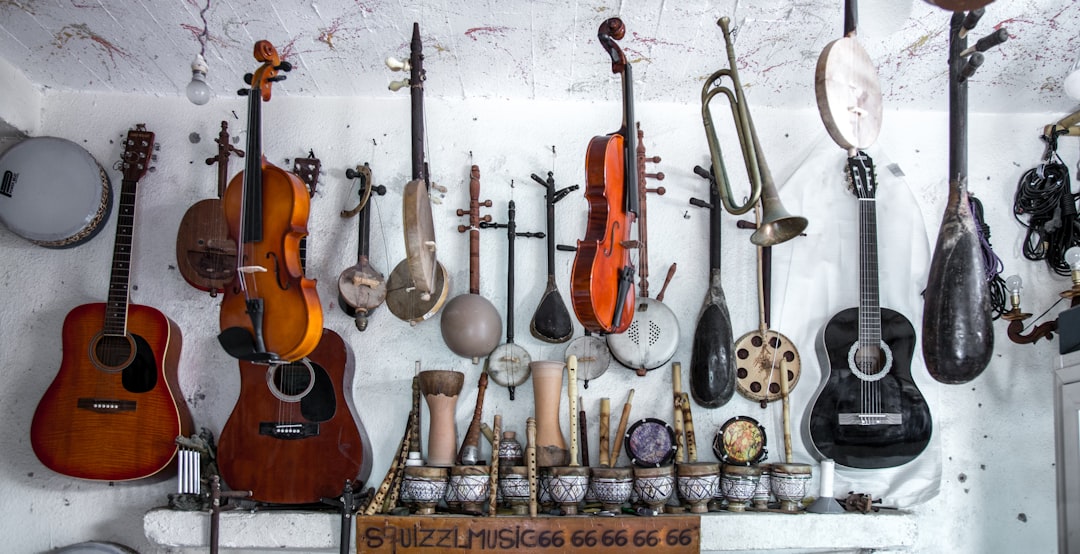
Maintaining your musical instrument is vital for sound quality, durability, and overall performance. Regardless of the instrument family, following expert maintenance, cleaning, and storage tips will extend your instrument’s life and enhance your playing experience.
Estimated reading time: 8 minutes
Key Takeaways
- Regular maintenance preserves sound quality and prevents costly repairs.
- Proper handling and storage guard against environmental damage.
- Different instrument families require tailored cleaning and care routines.
- Maintaining stable temperature and humidity is crucial for instrument health.
- Professional servicing is essential to catch hidden issues and ensure peak performance.
Table of Contents
- 1. The Golden Rule of Regular Maintenance
- 2. Universal Dos and Don'ts for Instrument Care
- 3. String Instruments: Cleaning, Bow Care, and Tuning
- 4. Brass Instruments: Mouthpiece, Slide, and Valve Care
- 5. Woodwind Instruments: Reed Care and Internal Cleaning
- 6. Valuing Your Instrument: The Role of Climate
- 7. Responsibly Seeking Professional Instrument Servicing
- 8. Handling and Storing: Preventing Instrument Damage
- 9. Preventive Maintenance: Saving Time and Money
- Conclusion: Nourishing Instruments—Key to Captivating Sounds
1. The Golden Rule of Regular Maintenance
From the very first time you pick up your instrument, habitual maintenance is the cornerstone of keeping it in optimal condition. Routine care shields your investment and ensures each note sounds as intended.
- Preserving sound quality: Dust and debris dull tones and distort sound.
- Extending lifespan: Proper care protects against cracks, corrosion, and wear.
- Reducing repair costs: Early detection prevents major issues.
- Enhancing playability: Well-maintained parts create a smooth, enjoyable experience.
Incorporate inspection, cleaning, tuning, and gentle handling into your routine to safeguard your instrument over time.
2. Universal Dos and Don'ts for Instrument Care
- Do always return your instrument to its case when not in use to protect against dust, moisture, temperature changes, and physical damage.
- Do maintain a consistent environment with 65-75°F (18-24°C) and 40-60% humidity, using a hygrometer, humidifiers, or dehumidifiers as needed.
- Don’t expose your instrument to direct sunlight or near heating/cooling vents to avoid damage from temperature fluctuations and UV light.
- Do handle your instrument gently, avoiding rough movements and putting pressure only where necessary (e.g., loosening bows or moving slides carefully).
- Don’t store unrelated items inside your instrument’s case to prevent dents, scratches, and pest attraction.
3. String Instruments: Cleaning, Bow Care, and Tuning
Cleaning Tips and Regular Care
Wipe your string instrument gently after playing with a soft, dry, untreated cloth to remove rosin dust, sweat, and oils. Avoid water or harsh cleaners to protect the wood and varnish. Always wash your hands before playing to minimize dirt transfer.
Bow Hair and Rosin Application
Loosen the bow hair after each use to prevent overstretching or warping. Apply rosin sparingly—think of it as seasoning; just enough to enhance tone without build-up.
String Swap and Tuning
Replace strings every 9–12 months or sooner if signs of wear or dullness appear. Use pegs for large tuning adjustments and fine tuners for smaller pitch changes.
Controlling Humidity
String instruments are sensitive to humidity. Use case humidifiers during dry weather to prevent shrinking, cracking, or warping.
4. Brass Instruments: Mouthpiece, Slide, and Valve Care
Cleaning the Mouthpiece
Clean your mouthpiece weekly with warm soapy water and a soft brush to eliminate bacteria and support clear sound.
Slide and Valve Maintenance
Lubricate slides and valves regularly using appropriate grease and oil. Move valves and slides often, even when not playing, to prevent sticking and corrosion.
Preservation and Safeguarding
Store brass instruments in dry, stable environments. Avoid damp or humid places that accelerate corrosion.
5. Woodwind Instruments: Reed Care and Internal Cleaning
Inside Cleaning Using Swabs
After every play, pull a clean, dry swab through your instrument to remove moisture, preventing pad damage, corrosion, and mildew. Never store swabs inside your instrument case.
Caring for Reeds
Store reeds in designated holders to avoid warping. Rotate your reeds regularly to ensure even wear.
Gentle Assembly and Disassembly Practices
Assemble and disassemble your woodwind instruments with slow, gentle pressure to avoid damaging cork joints or misaligning keys. Clean keys lightly with a soft cloth to prevent debris build-up.
6. Valuing Your Instrument: The Role of Climate
Musical instruments made of wood, metal, and leather react differently to environmental changes. Controlling temperature and humidity is as important as cleaning and handling.
- Wood expands and contracts with humidity and temperature, risking cracks, warping, or seam openings.
- Metal parts may corrode or seize under damp or overly dry conditions.
- Pads and corks are sensitive to moisture, affecting air seals and mechanical quality.
Use hygrometers inside cases or storage rooms to monitor humidity. Employ humidifiers or dehumidifiers to maintain 40–60% humidity and keep temperatures steady between 65–75°F (18–24°C). Avoid rapid temperature changes by never leaving instruments in vehicles or near vents.
7. Responsibly Seeking Professional Instrument Servicing
No matter how careful your home maintenance, professional servicing is essential to detect hidden problems and perform repairs beyond basic cleaning.
When to Seek Expert Assistance
- Noticeable changes in sound quality or playability, such as sticky keys, stiff valves, or buzzing.
- Visual damage like dents, cracks, or loose parts.
- Mechanical faults including misaligned keys, broken strings, or nonfunctional slides.
Professional Repair Process
- Comprehensive inspection including screws, joints, saddles, corks, pads, and strings.
- Repairs using quality materials with service warranty.
- Quick turnaround—with most repairs completed within a week.
- Custom maintenance plans based on instrument and player needs.
Schedule annual professional check-ups to intercept small issues before costly damage occurs.
8. Handling and Storing: Preventing Instrument Damage
Best Practices for Handling
- Apply gentle, measured pressure when assembling or disassembling; never force parts.
- Avoid excess contact with delicate components like keys or slides.
- Keep hands clean and dry when playing or managing your instrument.
Proper Storage
- Always store instruments in their correct, sturdy, and padded cases when not in use.
- Remove extraneous items inside cases to prevent scratches and pressure points.
- Avoid extreme temperatures and moisture by never leaving instruments in cars or near vents and windows.
9. Preventive Maintenance: Saving Time and Money
Taking a proactive approach to maintenance helps avoid costly and time-consuming repairs while keeping your instrument in peak form.
- Consistent home cleaning and upkeep prevent dirt build-up and mechanical wear.
- Annual professional servicing catches minor issues early.
- Climate control reduces irreversible damage like warping and corrosion.
- Mindful handling and proper storage minimize accidental damage.
Conclusion: Nourishing Instruments—Key to Captivating Sounds
Embedding daily maintenance habits, maintaining a stable environment, and leveraging professional services maximize your instrument’s potential. Treat your instrument respectfully—it’s not just an object, but your creative voice. With proper care, it will inspire beautiful music alongside you for many years.
Frequently Asked Questions
How often should I clean my instrument?
Regular cleaning after every playing session is best, especially wiping string and woodwind instruments to remove moisture and residue. Brass instrument mouthpieces should be cleaned weekly.
What humidity level is ideal for storing musical instruments?
Maintain relative humidity between 40% and 60%. This range protects wooden parts from cracking or warping and metal parts from rusting.
When should I seek professional instrument repair?
If you notice changes in sound, mechanical issues like sticky keys or valves, visible damage such as dents or cracks, or difficulty playing, schedule a professional check-up promptly.
Can I use household cleaners on my instrument?
No. Avoid water and harsh chemicals. Use only instrument-specific cleaning products or a soft, dry cloth as recommended to prevent damage.
For more detailed care tips, visit PM Music Center and explore other valuable resources.