Cart
0
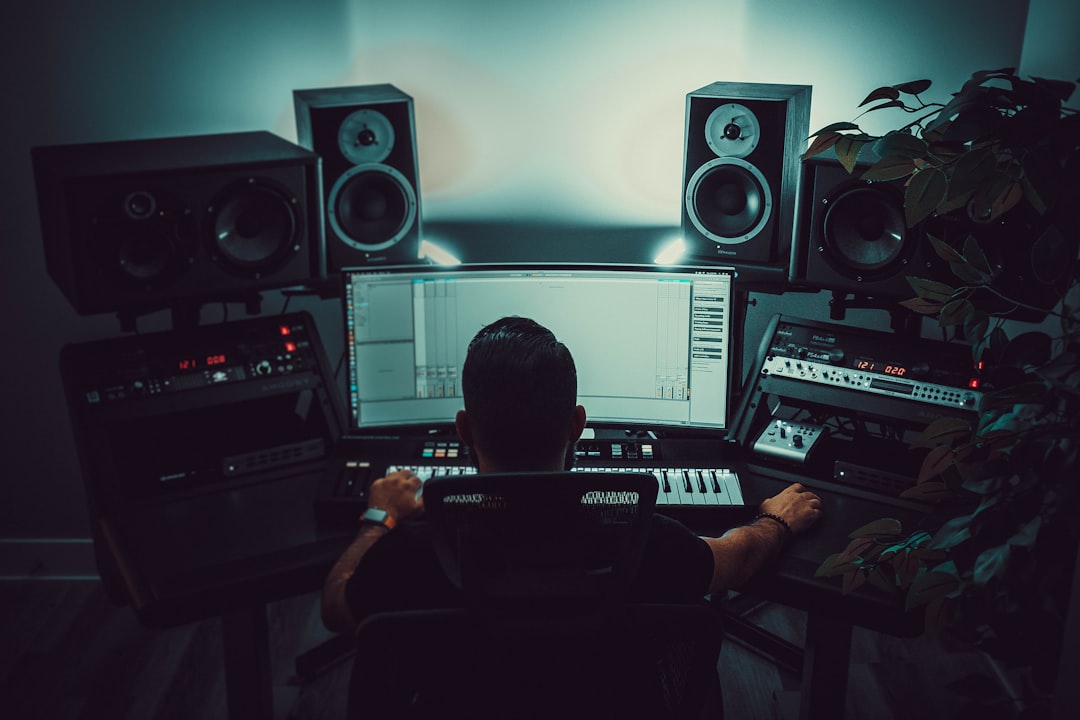
The Ultimate Guide to Mobile & Home Studio Music Production: Trends, Setups, and Expert Advice
Unlock the secrets to modern music creation by mastering mobile AI tools and building an efficient home studio tailored to your creative needs. This comprehensive guide offers insights into current trends, practical setups, and expert pointers to empower musicians at every level.
Estimated reading time: 15 minutes
Key Takeaways
- Mobile AI-powered platforms such as SOUNDRAW revolutionize music production by enabling quick, royalty-free track creation on the go.
- Combining mobile apps with desktop DAWs unlocks a hybrid workflow that balances accessibility with professional-level control.
- Building a home studio requires thoughtful equipment choices and acoustic treatment to ensure quality recordings and mixes.
- Ergonomic studio design and gear arrangement contribute significantly to productivity and creative comfort.
- The rise of AI and mobile tools fosters a vibrant creator economy, lowering barriers for independent musicians worldwide.
Table of Contents
- Introduction to Mobile & Home Studio Music Production
- 1. Mobile Music Production: Empowering Creativity On the Go
- 2. The Home Recording Revolution: Constructing Your Musical Haven
- 3. Expert Guide to Professional-Grade Home Studio Environments
- 4. Leveraging AI and Mobile Tools for Hybridized Music Production
- Conclusion: Navigating the Path to Contemporary Music Production Success
- FAQ
Introduction to Mobile & Home Studio Music Production
The music production landscape has undergone a profound transformation owing to advancements in mobile technology and accessible home recording setups. Whether you're an aspiring musician or an indie artist, integrating mobile AI music tools with traditional home studio techniques presents unprecedented creative freedom. This guide unpacks the latest trends, highlights essential equipment, and shares expert advice to help you build a studio tailored to your artistic goals. Embrace cost-effective and innovative tools to produce professional-quality music anywhere and anytime.
1. Mobile Music Production: Empowering Creativity On the Go
1.1 The Rise of AI-Powered Mobile Music Production
AI-driven mobile platforms like SOUNDRAW are redefining how musicians generate music. These apps empower users to compose royalty-free tracks in mere minutes without complex setups or licensing hassles. Key benefits include:
- Speed and Simplicity: Produce tracks quickly without sign-ups or advanced skills.
- Royalty-Free Usage: Utilize generated music commercially without extra fees.
- Seamless Workflow: Move smoothly from mobile devices to desktop DAWs for further refinement.
- User-Friendly Interfaces: Designed for musicians with minimal theory knowledge.
This mobility fosters unbounded creativity, enabling artists to capture inspiration wherever it strikes.
1.2 Mobile Apps Complementing Traditional DAWs
Apps like GarageBand, Cubasis, and BandLab allow creators to initiate compositions on mobile and finalize projects on desktops. This hybrid approach offers:
- Quick idea capture and beat-making on the move.
- Cost-effective subscription models easing financial burdens.
- Expanded sonic possibilities via virtual instruments and loopers.
The fusion delivers flexibility without sacrificing professional sound design capabilities essential in modern production.
1.3 Market Growth and User Trends in Mobile Music Software
The mobile music production software market is expected to more than double from $104.8 million in 2026 to $229.4 million by 2034, growing at a 10.3% CAGR. Driving forces include:
- Youthful content creators and electronic music enthusiasts fueling demand.
- Expanding smartphone adoption worldwide, especially in North America, Europe, and Asia-Pacific.
- Advances in AI, gesture controls, and touch interfaces enhancing usability.
Industry leaders such as Apple, Roland, and KORG continue to innovate, championing a creator-centric future where music production is accessible and inclusive on all fronts.
2. The Home Recording Revolution: Constructing Your Musical Haven
2.1 The Increasing Significance of Home Studios
Advancements in affordable recording technology are transforming bedrooms and small spaces into vibrant creative hubs. Benefits of the home recording revolution include:
- Skill Development: Musicians can self-record, evaluate, and improve their craft.
- Creative Autonomy: Bypass expensive studios and labels to maintain full artistic control.
- Diversity Growth: New and unconventional voices flourish, diversifying the music industry.
Home studios democratize music production, making it achievable and fulfilling for creators globally.
2.2 Essential Components of a Beginner-Friendly Home Studio
Start strong by focusing on these foundational gear pieces:
- Digital Audio Workstation (DAW): Utilize GarageBand, Cakewalk, or Reaper for recording and mixing without breaking the bank.
- Audio Interface: Budget models like the Focusrite Scarlett series connect your instruments and microphones to your computer.
- Microphone: Large-diaphragm condenser mics capture vocals and acoustic instruments with clarity.
- Headphones & Monitors: Use quality headphones or affordable studio monitors (e.g., Audio-Technica, KRK) for accurate sound reproduction.
2.3 Prioritizing Room Acoustics and Spatial Considerations
Even top gear can’t compensate for poor acoustics. Key steps to optimize your space include:
- Acoustic Treatment: Install 2-4 inch fiberglass or mineral wool panels at reflection points and bass traps in corners to manage low frequencies.
- Soundproofing: Semi-soundproof by sealing windows using Roxul Rockboard 80-based plugs and specialized door seals to reduce outside noise.
- Dedicated Recording Zone: Separate your workspace from distractions and use sound-absorbing materials on surfaces to reduce reflections.
Investing in these methods significantly sharpens recording clarity and mixing accuracy, bringing your productions closer to professional standards.
For practical guidance, explore this Budget Acoustic Soundproofing Tips video tutorial.
3. Expert Guide to Professional-Grade Home Studio Environments
3.1 Tailoring Your Studio Setup to Your Requirements
Audio engineer Tom Watson identifies four main home studio types reflecting different workflows:
- Demo Production Setup: Streamlined for capturing ideas rapidly.
- Beat Crafting Setup: Mixes hardware and software for electronic production.
- Tracking & Mixing Setup: Full rigs demanding quality acoustics and diverse gear.
- Hybrid Studio Setup: Combines various workflows for flexibility and sonic precision.
Define your artistic goals to align equipment choices, acoustics, and budget accordingly.
3.2 Evading Common Setup Pitfalls
Many fall into common mistakes such as:
- Ignoring acoustics, risking poor sound accuracy in mixing.
- Acquiring excessive or irrelevant gear, causing clutter.
- Poor monitor and equipment placement, degrading listening quality.
Thoughtful studio layout and workflow planning mitigate these risks effectively.
3.3 Budget-Sensitive Semi-Soundproofing Solutions
Complete sound isolation is costly, but renters can implement:
- Window Sealing: Use Roxul Rockboard 80 with detachable MDF panels and foam weather stripping.
- Door Soundproofing: Employ draft stoppers and seals to curb sound leakage.
- Floor Treatments: Add rugs and carpet padding to reduce sound transmission.
These measures reduce noise and create a controlled recording environment without expensive renovations.
3.4 Vital Acoustic Treatment Fundamentals
Foam panels alone are cosmetic. True acoustic optimization demands:
- Bass Traps: Place thick mineral wool or fiberglass traps in corners to handle low-frequency build-up.
- Absorption Panels: Install at primary reflection points on walls and ceilings to reduce echoes.
- Proper Sealing: Ensure panels do not expose fiberglass, avoiding health risks.
This groundwork is crucial for accurate mixing and achieving professional sound quality.
3.5 Optimal Studio Ergonomics and Gear Arrangement
Arrange your studio to boost comfort and efficiency:
- Position monitors and listening points in an equilateral triangle for balanced stereo imaging.
- Consider motorized sit/stand desks to reduce fatigue during long sessions.
- Organize cables neatly to maintain a clutter-free environment.
- Use compact 500 series rack units to save space while housing professional processing gear.
An ergonomic setup enhances creativity and preserves your well-being.
3.6 Recommended Equipment for Aspiring Home Studio Owners
Choose quality gear tailored to your needs:
- Audio Interfaces: Invest in Apollo Twin or Audient iD series for outstanding preamps and converters.
- Microphones: Select versatile condensers like the Slate VMS ML-1 for durability and clarity.
- Digital Audio Workstations (DAWs): Logic Pro for beginners, Cubase for advanced users, with Studio One as a versatile in-between option.
- Control Surfaces: Useful for intensive mixing but optional for casual producers.
Always verify licenses and warranties when purchasing used equipment, especially for proprietary software/hardware combos.
3.7 Mobile Home Studio Essentials According to Audio Expert Tom Langley
For producers prioritizing mobility without compromising quality, Langley recommends:
- Laptop running your preferred DAW for portability and full project continuity.
- High-quality headphones like Audio-Technica ATH-M50x for critical monitoring on the move.
- Wireless mouse and keypad for streamlined workflow navigation.
- Compact MIDI keyboard such as Native Instruments Komplete Kontrol A25 for quick note input.
- Maschine Mk3 system offering beat production and integrated audio interface capabilities.
- Focusrite Scarlett 8i6 audio interface paired with an AKG C414 microphone for quality audio capture.
- Connectivity tools like Netgear MR1100 router and solar or battery power solutions to extend session durations.
This curated lineup balances portability with professional-grade capabilities for mobile musicians.
For more details on creating effective home studios, visit Home Studio Recording Guide (AudioCalcs).
4. Leveraging AI and Mobile Tools for Hybridized Music Production
4.1 Marrying Mobile AI with Desktop DAWs
Increasingly, creators use AI tools like SOUNDRAW to generate instrumental sections rapidly, then import these into powerful desktop DAWs for mixing, mastering, and further customization. This hybrid workflow offers:
- Fast ideation and experimentation unrestricted by location.
- Full access to advanced post-production features available on desktops.
- Ready access to royalty-free AI music samples, customizable for unique projects.
It suits artists of all levels, adapting to fast-paced digital music creation demands.
4.2 Empowering Independent Musicians and Beginners
Mobile AI tools break down barriers such as:
- High costs of professional studio time and equipment.
- Steep learning curves of traditional, legacy software.
- Dependence on record labels or studios for music production.
Consequently, musicians can capture inspiration instantly, create commercially viable tracks, and develop skills efficiently using accessible, AI-driven mobile solutions.
4.3 The Surge of the Creator Economy within the Music Sphere
The meshing of mobile instruments, AI technology, and affordable home studios fuels a thriving global creator economy. Trends include:
- Rise in bedroom producers and indie artists across all continents.
- Seamless cross-platform software integration easing workflow transitions.
- Supplier innovations focusing on AI features and mobile-friendly interfaces.
This democratization welcomes new talent and enriches the musical landscape with diverse, fresh sounds.
Conclusion: Navigating the Path to Contemporary Music Production Success
Today’s music production scene combines unparalleled accessibility with sophisticated tools. Mobile AI platforms like SOUNDRAW empower artists to compose on demand, anywhere. Meanwhile, the home recording revolution offers autonomy in crafting professional-grade audio within realistic budgets.
Integrating mobile creativity with a well-designed home studio setup unlocks the door to realizing your musical potential. Prioritize acoustics, select equipment suited to your goals, and set practical expectations to achieve polished, expressive productions. Whether pursuing mobile versatility or semi-professional studio depth, the flourishing era of music production is yours to explore.
FAQ
What are the advantages of AI-powered mobile music production apps?
AI-powered mobile apps speed up the composition process, require less technical knowledge, offer royalty-free music for commercial use, and enable production anywhere, providing creative freedom and accessibility.
How important is acoustic treatment in a home studio?
Acoustic treatment is vital to reduce unwanted sound reflections and low-frequency buildup, improving recording clarity and ensuring accurate mixing. Without it, even expensive gear won't deliver professional sound quality.
Can mobile music apps replace desktop DAWs?
Mobile apps excel for quick composition and idea capture, while desktop DAWs provide extensive editing, mixing, and mastering features. Combining both offers the best balance of convenience and professional capability.
What budget-friendly equipment is recommended for beginners?
Begin with free or inexpensive DAWs like GarageBand or Cakewalk, budget interfaces such as Focusrite Scarlett, a large-diaphragm condenser mic, and reliable headphones or affordable studio monitors for accurate audio monitoring.
How can I improve my home studio without major renovations?
Implement semi-soundproofing like window plugs made from Roxul Rockboard 80, door draft stoppers, and floor rugs. Add strategic acoustic panels and bass traps to control reflections and improve sound quality affordably.