Cart
0
How Artificial Intelligence is Shaping the Future of Music Creation
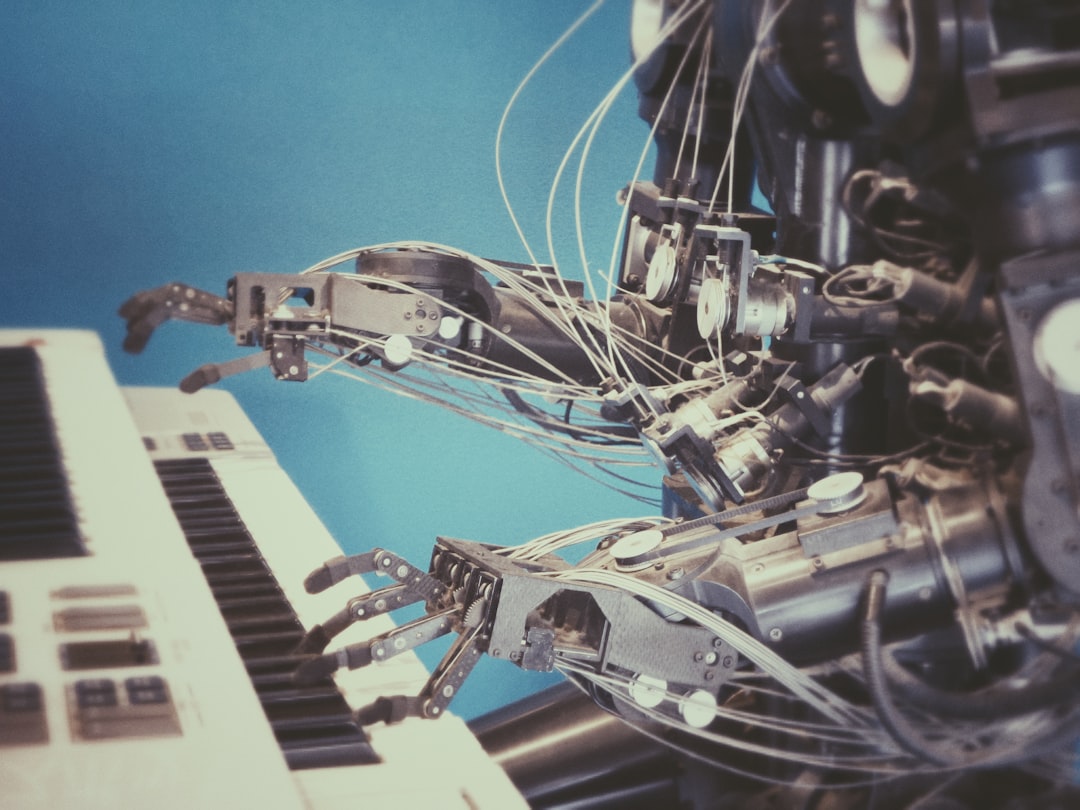
Artificial intelligence (AI) is revolutionizing music creation by augmenting human creativity, streamlining production, and raising important ethical questions. This blog explores AI's transformative role, its interplay with musicians, and what it means for the future of the music industry.
Estimated Reading Time: 8 minutes
Key Takeaways
- AI tools accelerate music composition, democratizing access and fostering collaboration.
- Human creativity remains unique due to emotional depth, intentionality, and complexity.
- Copyright and ethical issues around AI training data and compensation need urgent attention.
- AI-generated music has achieved commercial success and growing popularity among audiences.
- Music education is evolving to integrate AI literacy, preparing future artists for collaboration.
- Live performances retain their value for authenticity amid AI’s rise.
- Industry stakeholders must work collectively to balance innovation with protecting creators' rights.
Table of Contents
- 1. AI-Powered Music Creation: Transforming Songwriting and Production
- 2. Human Creativity versus AI: Differentiating Machine-Made Music
- 3. Ethical and Copyright Concerns in AI Music Generation
- 4. AI Music’s Commercial Success: Popularity of AI-Generated Music
- 5. AI in Music Education: Preparing Artists for a Collaborative Future
- 6. The Influence of AI on the Future of Live Music
- 7. What Industry Stakeholders Should Contemplate Regarding AI in Music
- 8. Conclusion: AI as a Collaborative Ally in Music’s Evolution
1. AI-Powered Music Creation: Transforming Songwriting and Production
Platforms such as Amper Music, Udio, and Aiode have broadened the scope of music creation. Whether new to music or industry veterans, artists now have access to tools that generate beats, melodies, and complete compositions at record speed, breaking down previous barriers to entry.
How AI Enhances Music Creation
- Idea Generation: AI suggests new musical ideas quickly, overcoming creative blocks. Innovative tools like picture-to-music converters inspire chord progressions based on imagery or sound inputs.
- Accessibility: Anyone with a device can experiment with music composition, democratizing the creative process.
- Collaboration: AI acts as a creative partner, providing fresh perspectives without replacing the artist’s unique input.
This technology empowers swift experimentation, previously limited by time and cost. Yet, AI-generated compositions still lack the emotional complexity rooted deeply in human experience.
2. Human Creativity versus AI: Differentiating Machine-Made Music
Though AI can compose melodies, research from Carnegie Mellon University involving 140 music experts indicates that AI compositions are often slower, less intricate, and perceived as less creative.
How Humans Excel in Creativity
- Emotional Depth: Drawing from personal feelings, human composers create music that connects at an emotional level.
- Intentional Crafting: Musicians deliberately design phrasing, dynamics, and structure that AI struggles to emulate.
- Complexity and Variety: Humans incorporate complex patterns and diverse styles beyond AI’s current capabilities.
It is thus best to view AI as a supportive tool accelerating initial ideas, while the human artist shapes the final creative vision.
3. Ethical and Copyright Concerns in AI Music Generation
With AI’s rise, ethical challenges have emerged. Many musicians fear their copyrighted work is being used without permission or fair compensation to train AI models.
Key Concerns
- Unapproved Training Data: AI often learns from copyrighted music without licensing, raising legal and moral questions.
- Income Loss: The influx of AI-generated content could reduce opportunities and revenue for human musicians.
- Legal Ambiguities: Current copyright laws struggle to define ownership of AI-created works with minimal human input.
Surveys show that 93% of musicians expect compensation for AI training use of their music, and 79% worry about AI competition. Transparent licensing agreements and thoughtful policies are required to address these issues.
4. AI Music’s Commercial Success: Popularity of AI-Generated Music
Despite debates, AI-driven music has entered mainstream commercial channels, signaling significant industry potential.
Notable AI Music Success Stories
- Xania Monet: An AI R&B avatar who reached the Billboard charts, illustrating AI's mainstream music viability.
- Velvet Sundown: An AI indie rock project with over one million Spotify streams.
- Cain Walker and Breaking Rust: AI country acts topping digital sales charts.
Major labels like Universal Music Group and companies such as Udio are partnering to create legal AI music platforms that protect artist rights, marking a collaborative future.
5. AI in Music Education: Preparing Artists for a Collaborative Future
Music education is adapting to AI’s influence by incorporating AI literacy and tools into curriculum for the next generation of creators.
Transforming Music Learning with AI
- Enhanced Feedback: AI evaluates student performances in real time and offers personalized improvement suggestions.
- Creative Exploration: Students use AI platforms to compose, remix, and experiment freely.
- Promote Ethical Usage: Educators emphasize understanding copyright, transparency, and balancing technology with human creativity.
This synergy of AI and traditional learning equips artists to use AI as a enhancing partner without losing the human essence.
6. The Influence of AI on the Future of Live Music
While AI reshapes music production, live music remains a bastion of authentic human expression, valued for spontaneity and emotion.
Challenges and Potential for Live Performances
- Cost of Tickets: Rising costs threaten accessibility and inclusiveness of live events.
- AI Integration: Projects like “Revival” combine AI improvisation with live musicians, fostering innovative concert experiences.
- Authenticity Attraction: As AI-generated music grows, live performances’ unique energy may become even more treasured.
The industry must balance innovation with affordability to sustain live music’s irreplaceable role.
7. What Industry Stakeholders Should Contemplate Regarding AI in Music
Navigating AI’s rapid development demands cooperation among artists, producers, technology firms, and lawmakers.
Key Recommendations
- Clarify Copyright Laws: Ensure protection for original creators while encouraging AI innovation.
- Promote Ethical AI Development: Fair musician compensation and transparency in AI training data usage are essential.
- Integrate AI in Creative Workflows: Use AI to enhance productivity without replacing genuine artistry.
- Explore Personalized Music Experiences: Streaming services can leverage AI to deliver tailored music in real time.
- Monitor Cultural Impacts: Study AI’s effects on listener behavior, revenue models, and creativity perceptions over time.
Through collaborative efforts and responsible adoption, the music industry can unlock new creative frontiers while safeguarding artistry.
8. Conclusion: AI as a Collaborative Ally in Music’s Evolution
Artificial intelligence offers revolutionary tools that speed up music creation and broaden audiences, yet the core of music remains rooted in human creativity, emotion, and intention. The future will likely see AI and musicians working hand in hand—technology enhancing artistry without losing its soul.
For musicians, producers, and fans alike, embracing AI’s promise while navigating its challenges invites an exciting journey into the evolving soundscape of tomorrow.
To foster a vibrant and engaging music ecosystem benefitting all, understanding AI's role, addressing ethical and legal issues, and adopting technology thoughtfully are paramount.
Explore expert insights on how technology shapes music at Emusicmart.
FAQ
Q1: Can AI replace human musicians?
While AI can generate music and accelerate creation, it lacks emotional depth, intentional artistry, and complexity. AI serves best as a collaborator, not a replacement for human musicians.
Q2: What are the main copyright issues with AI-generated music?
Key issues include AI being trained on copyrighted works without permission, ambiguity around ownership of AI-created music, and concerns over musicians’ fair compensation.
Q3: How is AI changing music education?
AI provides instant performance feedback, encourages experimentation, and teaches ethical use. Educational programs increasingly include AI literacy to prepare artists for future collaborations.
Q4: Are audiences accepting AI-generated music?
Yes, AI music has gained commercial success and streams, with listeners responding well especially to AI music resembling familiar genres and styles.
Q5: How can the music industry balance AI innovation with protecting artists?
Through clear copyright laws, ethical AI development, fair compensation, and integrating AI as a tool rather than replacement, the industry can foster innovation while safeguarding creativity.