Cart
0
How to Develop a Fantastic Music Routine: A Step-by-Step Guide
Creating a productive and focused music practice routine is essential for musicians of all levels. This guide walks you through goal-setting, structuring sessions, technical warm-ups, and performance preparation to help you progress efficiently while keeping your practice engaging and enjoyable.
Key Takeaways
- Set clear, specific goals to keep practice sessions productive and motivating.
- Structure practice time to balance technical exercises, new songs, repertoire review, and creativity.
- Start each session with instrument-specific warm-ups to prepare mentally and physically.
- Include performance preparation techniques to build confidence and stage presence.
- Keep sessions regular, short, distraction-free, and varied for optimal progress.
- Leverage external support like private lessons and group performances to enhance growth.
Table of Contents
- 1. Establish the Importance of a Target-Directed Routine
- 2. Structuring Your Practice Sessions for Optimal Growth
- 3. Setting the Tone Right: Understanding the Significance of Technical Warm-Ups
- 4. The Benefits of Piano Skills for Any Musician
- 5. Enhancing Confidence and Preparation for Performances
- 6. Guidelines for Optimized Practice Sessions
- 7. Leveraging External Support for Amplified Music Growth
1. Establish the Importance of a Target-Directed Routine
Beginning your music practice with clear, goal-oriented standards is vital for steady progress. Aimless sessions tend to be unproductive and disheartening. Proper goals break your learning into manageable steps that keep you motivated and engaged.
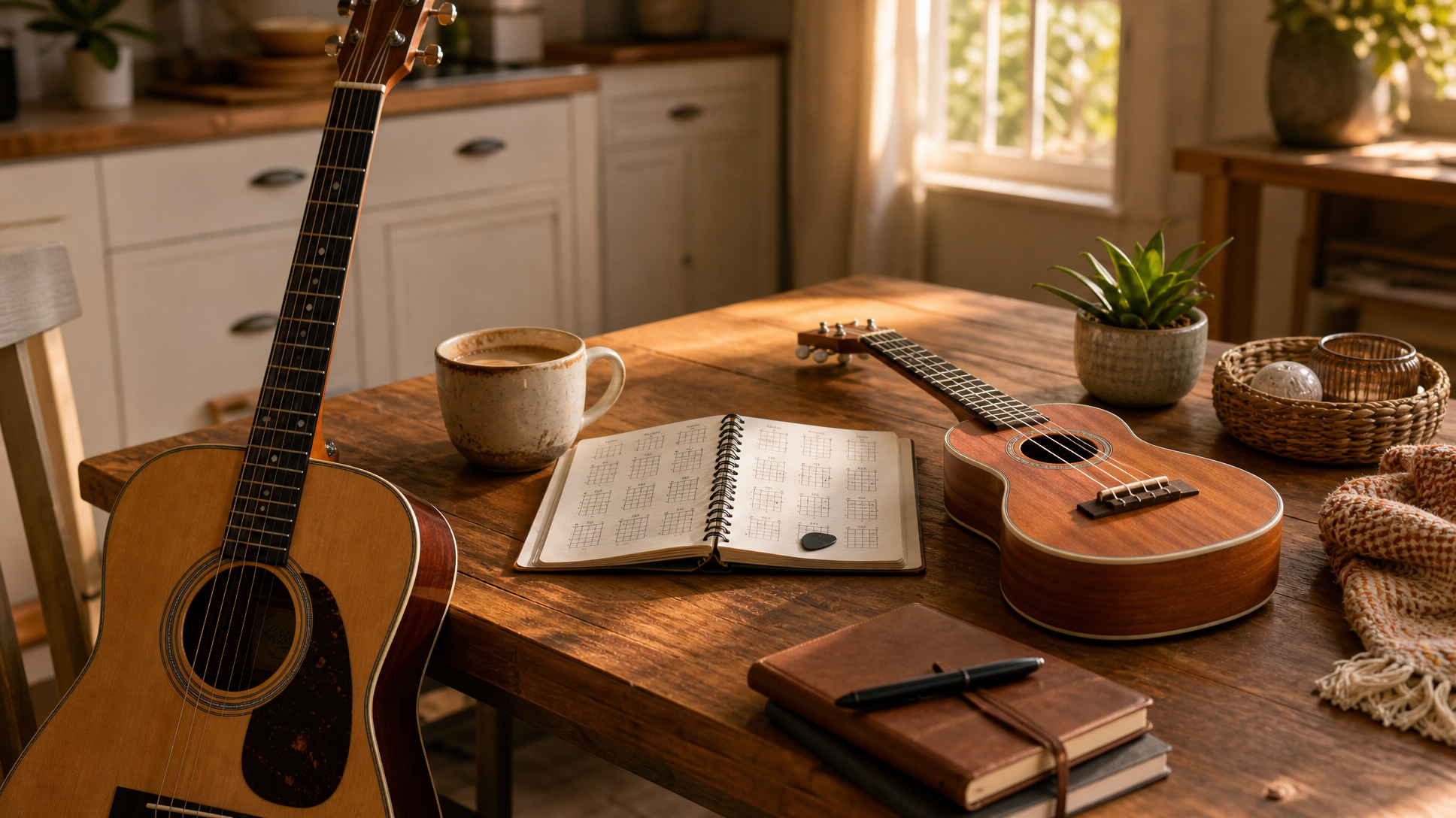
- Set specific and achievable goals for each session. For example, instead of "practice guitar," focus on "master the verse’s fingerpicking pattern" or "play the chorus flawlessly."
- Break complex challenges into smaller segments, like learning a difficult passage measure by measure.
- Track your progress using a practice journal or dedicated apps. Documenting your growth helps you refine objectives and see tangible improvements.
Prioritizing clear goals turns practice from a chore into a meaningful investment in your musicianship.
Learn more about goal-setting in music practice at Macri School of Music: Goal Setting.
2. Structuring Your Practice Sessions for Optimal Growth
Organizing your practice time strategically enhances your efficiency. Experts recommend dividing sessions into four key focus areas:
- Exercises: Warm-ups and technical drills such as scales, arpeggios, and finger exercises
- New Songs: Major portion focused on learning new or challenging pieces
- Revisiting Repertoire: Reviewing previously learned pieces to maintain fluency
- Open Practice Time: Creative exploration such as improvisation and composition
For a 60-minute session, a balanced allocation might look like this:
| Focus Area | Time Allocation |
|---|---|
| Technical Exercises | 10-15 minutes |
| New Songs | 30-35 minutes |
| Repertoire Review | 10 minutes |
| Creative Exploration | 5-10 minutes |
Adjust these times based on your goals and energy to keep sessions exciting and fulfilling.
Explore more about crafting practice sessions at Tune UpGrade: Structuring Practice.
3. Setting the Tone Right: Understanding the Significance of Technical Warm-Ups
Starting each session with targeted technical warm-ups prepares your hands, fingers, and mind for effective practice. Warm-ups reduce injury risk and improve technique.
- Include exercises such as scales, arpeggios, and finger independence drills.
- Gradually increase tempo and complexity as you warm up.
- Customize warm-ups to match the skills needed for your current pieces—for example, emphasize finger speed for fast runs.
Thoughtful warm-up routines ensure smoother transitions into more complex practice tasks.
Find specialized warm-up exercises at Music House: Technical Warm-Ups Guide.
Bonus Tip: Music Transcription
Engage in music transcription by listening and notating melodies or rhythms purely by ear. This sharpens listening acuity and enriches your improvisational skills. Begin with simple riffs, then progress to longer passages to strengthen your musical ear.
Discover valuable transcription practice advice at E-Music Mart: Music Transcription Skills.
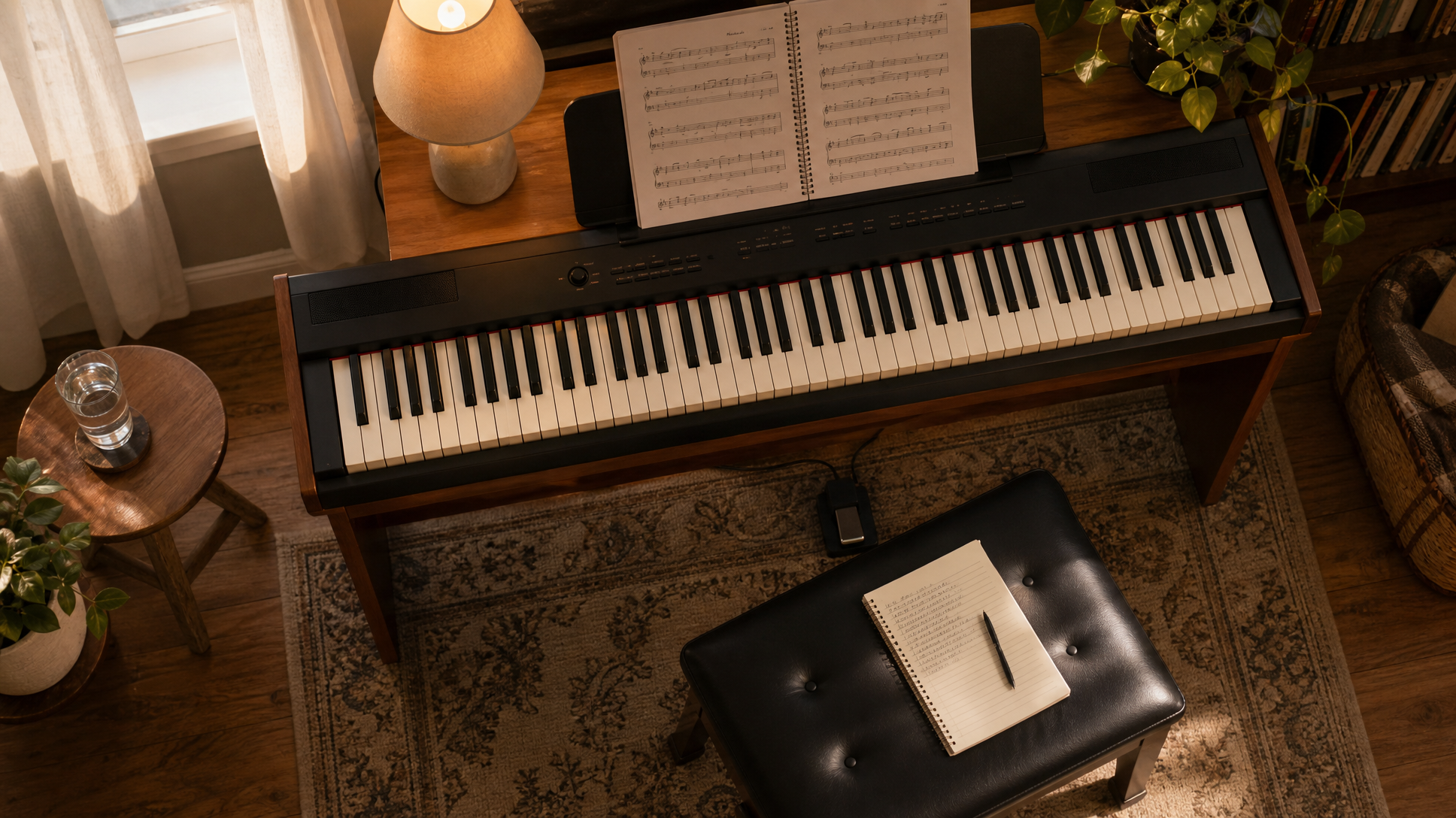
4. The Benefits of Piano Skills for Any Musician
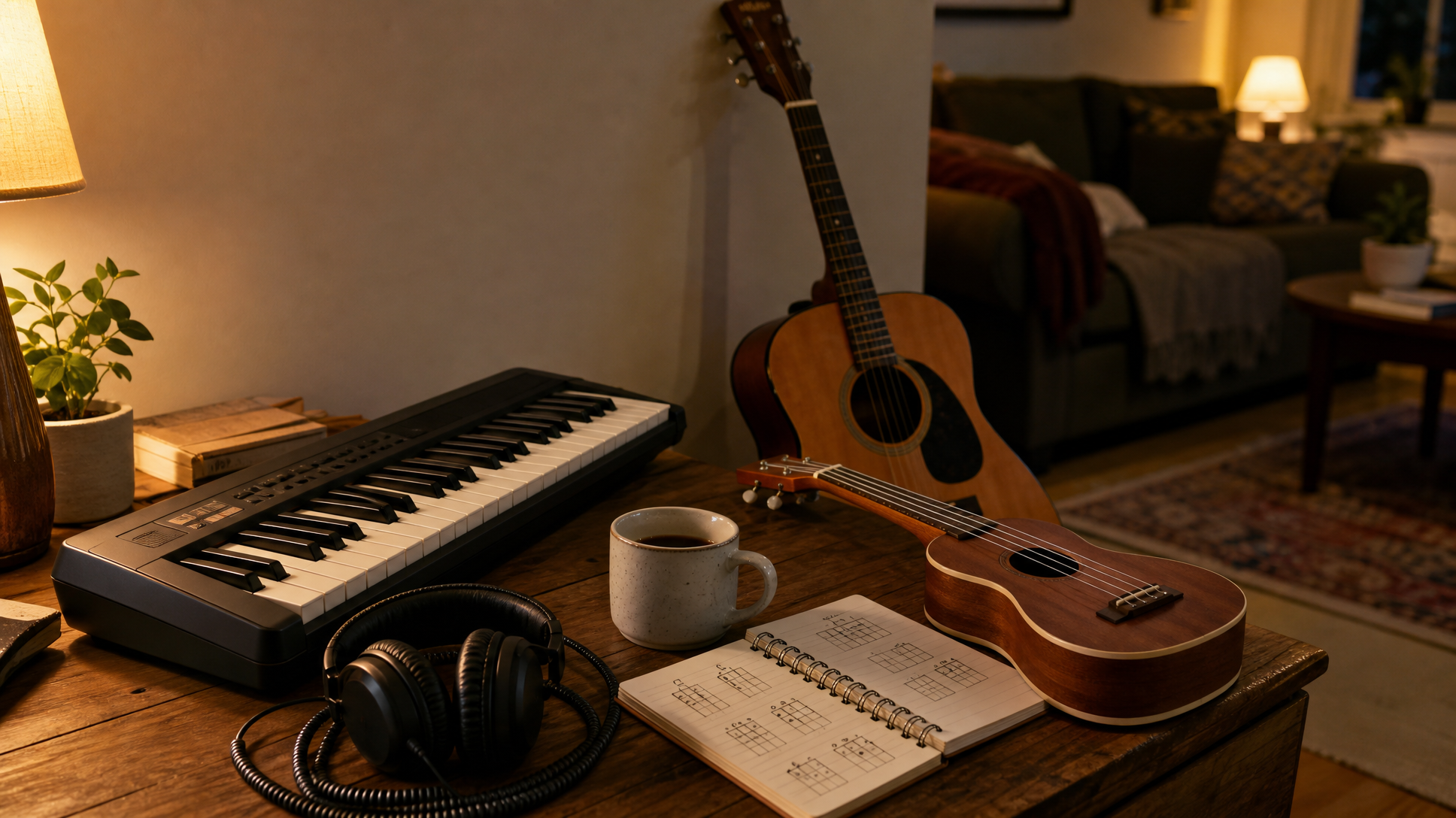
Even if piano isn't your main instrument, developing keyboard skills can greatly enhance your musicianship:
- The visual layout of keys clarifies chord progressions, scales, and harmonic relationships.
- Improves finger independence, coordination, and dexterity.
- Boosts songwriting, arranging, and accompaniment abilities.
- Accelerates music theory understanding, benefiting all instruments.
Incorporate piano practice for a richer and more versatile musical skill set.
Learn more at Macri School of Music: Keyboard Skills Benefits.
5. Enhancing Confidence and Preparation for Performances
Transform practice into polished performances by building confidence and stamina:
- Perform full pieces without stopping to simulate live settings.
- Practice in front of friends or record yourself under real-world conditions.
- Use visualization techniques to reduce anxiety and boost stage presence.
- Review recordings critically to improve tone, timing, and expression.
Regular performance preparation refines your ability to engage audiences with confidence.
Explore methods at Music House: Performance Prep Tips.
6. Guidelines for Optimized Practice Sessions
Maximize productivity by keeping practice short, focused, and consistent:
- Practice daily for at least 20 minutes; consistency is more important than long duration.
- Use techniques like the Pomodoro method—25 minutes focused work followed by 5-minute breaks.
- Eliminate distractions by silencing phones and finding a quiet practice space.
- Mix up activities to maintain engagement and prevent monotony.
Targeted and distraction-free sessions improve retention and prevent burnout.
Further reading at E-Music Mart: Time Management for Musicians.
7. Leveraging External Support for Amplified Music Growth
While self-practice forms the core of growth, additional support accelerates your development:
- Private tutors provide tailored guidance, refine technique, and enhance accountability.
- Playing in performance settings, from casual jam sessions to formal concerts, builds confidence and real-world experience.
- Participating in groups promotes regular practice and exposes you to new ideas and collaborations.
Supplement your practice with lessons and community engagement for a well-rounded musical journey.
Discover the advantages of private lessons at Macri School of Music: Benefits of Private Lessons.
Building a balanced music routine that integrates goals, technical work, song learning, creativity, and performance readiness leads to steady growth and lasting enjoyment.
Short, focused, and goal-directed practice sessions hold the key to consistently improving your musicianship without burnout.
Start crafting your personalized music routine today and unlock your true musical potential.
FAQ
- Q1: How often should I practice to see real improvement?
- Daily practice of at least 20 minutes is recommended. Consistency is more beneficial than infrequent long sessions.
- Q2: Is it better to focus on one piece or multiple during a session?
- Balancing new songs with repertoire review and technical exercises helps maintain progress and keeps practice engaging.
- Q3: How do I avoid getting bored with my routine?
- Vary your practice activities, include creative exploration, and set clear goals to stay motivated.
- Q4: Should I take lessons if I’m practicing regularly on my own?
- Private lessons and community involvement provide targeted feedback and experiences that complement self-practice perfectly.