Cart
0
How to Choose the Perfect Guitar for Beginners: A Complete Guide
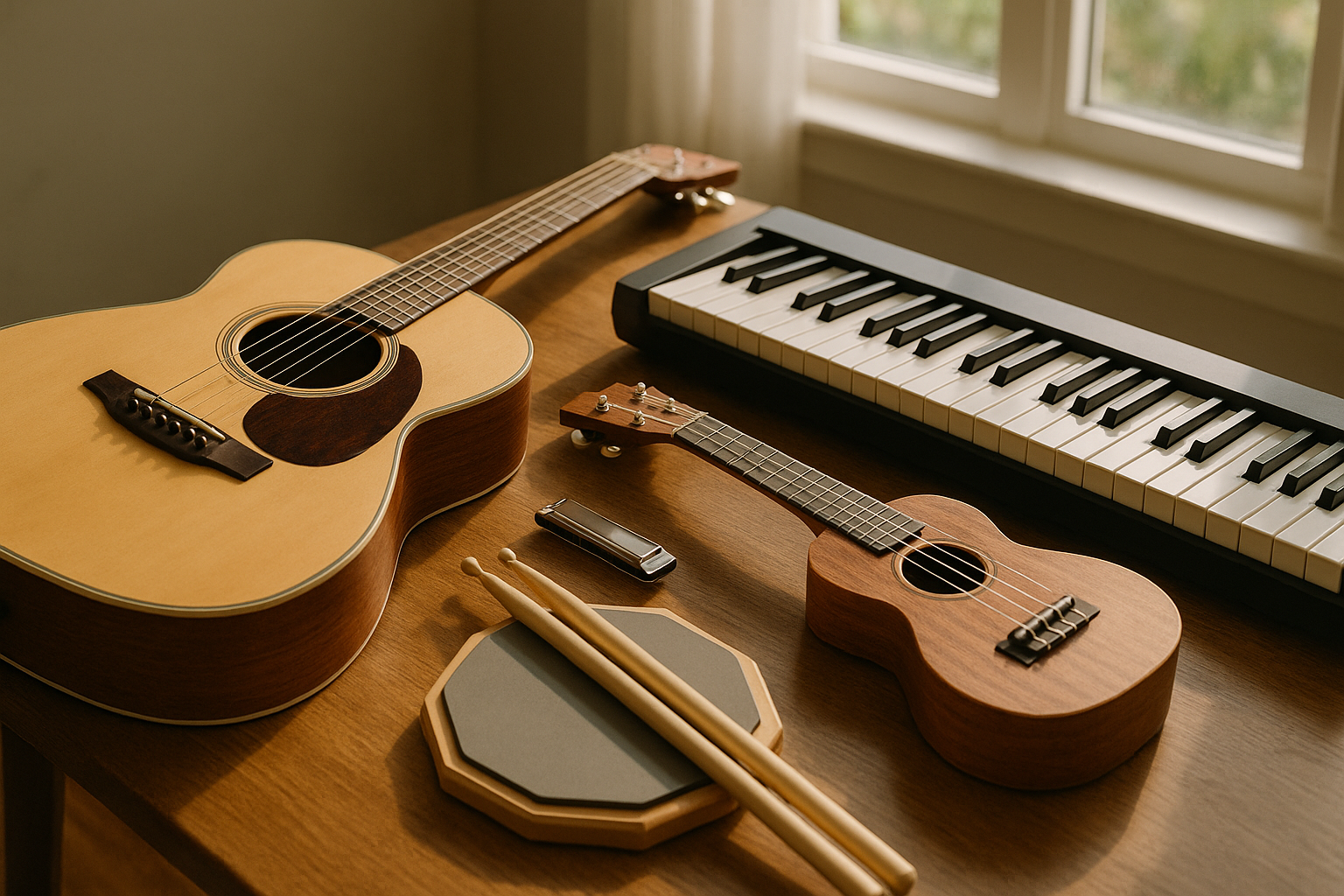
Stepping into the world of guitar playing is an exciting and rewarding journey. Whether you imagine yourself strumming acoustic ballads, shredding electric solos, or exploring classical melodies, the right guitar will make all the difference. This guide helps beginners confidently select their first guitar, covering essential types, features, accessories, and maintenance tips.
Key Takeaways
- Choose a guitar type that matches your musical style and comfort.
- Consider body shape and size for better playability.
- Budget wisely—quality beginner guitars can be affordable.
- Invest in must-have accessories like tuners, picks, and cases.
- Try guitars in person and consider a professional setup.
- Maintain your instrument regularly for longevity and sound quality.
Table of Contents
- 1. Understanding Guitar Types for Beginners
- 2. Key Factors to Consider When Choosing Your First Guitar
- 3. Top Guitar Brands for Beginners
- 4. Must-Have Accessories for Beginner Guitarists
- 5. The Importance of Testing and Setup: Try Before You Buy
- 6. Proper Guitar Maintenance: Keep It Playing at Its Best
- 7. Final Thoughts: Set the Stage for a Successful Guitar Journey
1. Understanding Guitar Types for Beginners
Choosing the right guitar type is a foundational step that influences your playing comfort and musical enjoyment. Below are the three main beginner-friendly options:
Classical Guitars: Comfortable and Fingerstyle-Friendly
Classical guitars feature soft nylon strings which are gentle on your fingers. Their wider necks provide ample space for precise finger placement, easing your early learning curve.
- Tone: Warm, mellow, and soft
- Best for: Classical, flamenco, fingerstyle genres
- Beginner benefit: Easier on fingers for strength-building without pain
- Keep in mind: Quieter sound, less ideal when amplification or band playing is needed
Learn more from Which Guitar Is Best for Beginners? Classical or Acoustic – Kennedy Violins
Acoustic Guitars: A Versatile Option with Full Sound
With bright and resonant tones produced by steel strings, acoustic guitars suit a broad range of styles like folk, country, pop, and rock. They don’t require any extra equipment, making them fantastic for unplugged sessions and singing along.
- Tone: Bright, crisp, resonant
- Best for: Folk, country, pop, singer-songwriter styles
- Beginner benefit: Great for playing along with vocals
- Keep in mind: Steel strings demand more finger strength during initial weeks
Further insights at Differences Between Guitars – Sloan School of Music
Electric Guitars: Easy Playability with Customizable Sound
Electric guitars boast lighter string tension and lower action, making them easier to play for longer sessions. However, they require an amplifier to produce sound, giving you control over volume and tonal effects.
- Tone: Wide-ranging with amplification and effects
- Best for: Rock, blues, jazz, and amplified genres
- Beginner benefit: Comfort through low string tension
- Keep in mind: Additional investment in amp and cables needed
Explore advice at What’s the Best Guitar for Beginners – JustinGuitar
2. Key Factors to Consider When Choosing Your First Guitar
Align Your Guitar with Your Musical Ambitions
Your musical preferences should guide your choice:
- Classical: Suited for Latin, classical, and fingerstyle music lovers.
- Acoustic: Perfect for folk, pop covers, and sing-alongs.
- Electric: Ideal for rock solos, blues riffs, and sonic experiments.
Body Shape and Size Matter
The guitar’s shape and size affect tone and comfort:
- Dreadnought (Acoustic): Large body with strong bass and projection, suited for bold strumming.
- Parlour (Acoustic): Smaller body and balanced tone, comfortable for smaller hands.
- Cutaway: Found on acoustic and classical guitars, cutaways ease access to higher frets—great for lead playing.
If large guitars feel bulky, a parlour or cutaway is excellent for handling ease.
Be Budget-Savvy—Think Playability Over Price
- Entry-level guitars usually range between $200–$500.
- Electric setups need extra funds for amps and cables.
- Playability and comfort matter more than price tags or flashy branding.
3. Top Guitar Brands for Beginners
Several respected brands offer reliable beginner guitars with great tone and build quality.
| Brand | Strengths | Budget Models (~$200–$500) | Notes |
|---|---|---|---|
| Fender | Acoustic & Electric | CD-60S acoustic, Squier electric | Durable, versatile |
| Yamaha | All guitar types | FG800 acoustic, C40 classical | Great value, solid craftsmanship |
| Taylor | Acoustic | Academy Series | Premium build, slightly pricier |
| Gibson | Acoustic & Electric | J-45 Studio (premium), Epiphone line | Epiphone offers budget-friendly options |
| Epiphone | Acoustic & Electric | DR-100 acoustic, Les Paul Special electric | Affordable, strong performance |
Boutique brands like Antonio Giuliani also provide excellent beginner classical and acoustic guitars with premium attention to detail.
4. Must-Have Accessories for Beginner Guitarists
Starting out equipped makes learning smoother and more enjoyable. These essentials are highly recommended:
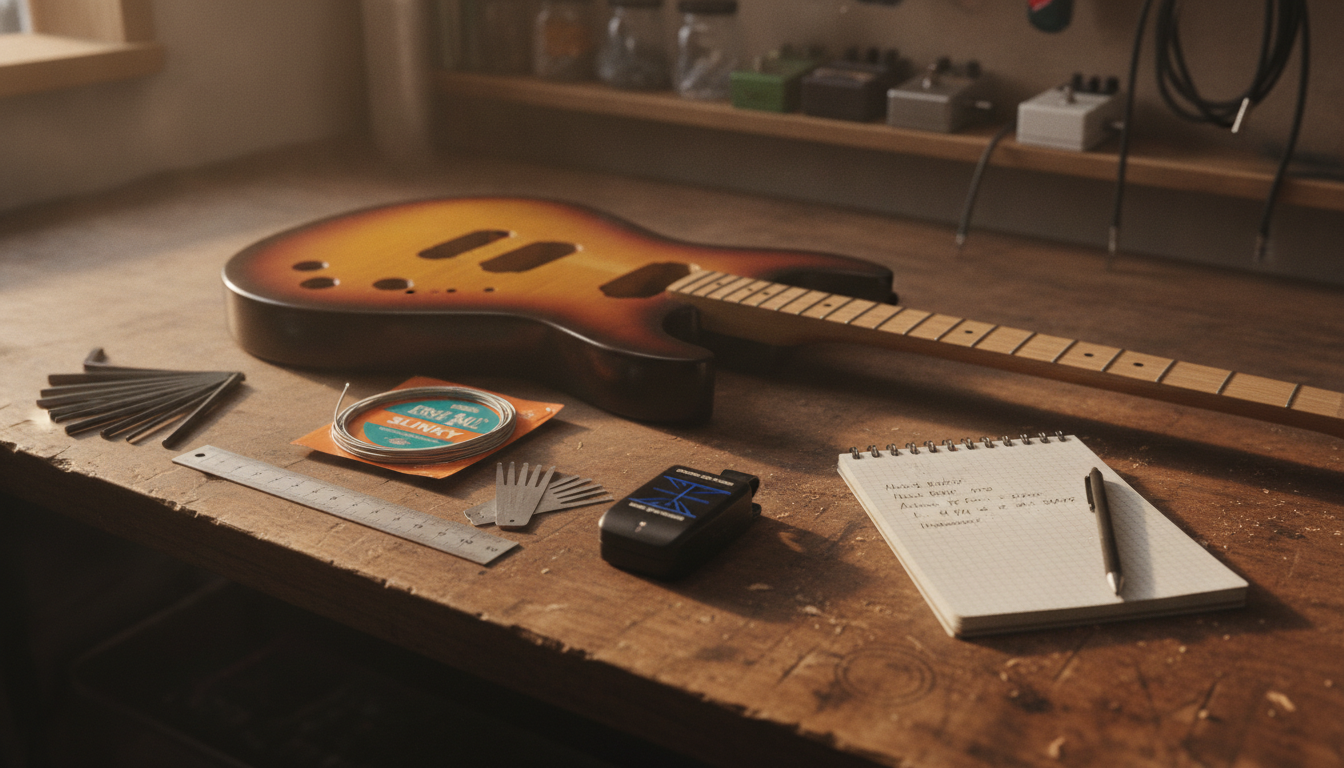
- Tuner: A clip-on tuner like the Snark keeps your guitar perfectly in tune.
- Strap: Choose a comfortable, preferably padded strap for stability while standing.
- Picks: Medium-gauge (.6–.8 mm) are versatile; classical players may prefer fingers.
- Case: A padded gig bag or hard case protects your guitar during transport and storage.
- Extra Strings: Strings wear out or break frequently—keep spares handy.
Starter bundles including these accessories can be found for about $50.
5. The Importance of Testing and Setup: Try Before You Buy
While online shopping offers convenience, visiting a local music store for hands-on experience is invaluable.
- Test different guitars to feel neck shape, body size, and string tension.
- Staff can recommend guitars suited to your hand size and goals.
- Look for low action, which makes the guitar easier to play.
- Consider a professional setup post-purchase, typically costing around $50, to optimize playability.
“Finding a guitar that feels right sparks lasting motivation — a crucial factor for continued practice.”
6. Proper Guitar Maintenance: Keep It Playing at Its Best
Good care from the start extends your guitar’s life and preserves its tone.
- Wipe down your guitar after each session to remove oils and sweat.
- Control humidity: Maintain 40–50% to avoid wood damage, especially for acoustics.
- Loosen strings when storing long-term to ease neck tension.
- Change strings every 1–3 months based on playing frequency; nylon strings swap easily, steel strings require tuning.
- Use appropriate string gauges: Beginners often benefit from lighter gauges like .010–.047 for acoustic guitars.
7. Final Thoughts: Set the Stage for a Successful Guitar Journey
Your first guitar purchase marks the beginning of an exciting musical adventure. Remember to:
- Choose a guitar type and size that fit your musical style and comfort needs.
- Prioritize playability and tone over flashy models or brand names.
- Equip yourself with essential accessories to support your learning.
- Try guitars in person and invest in a professional setup.
- Maintain your guitar regularly for lasting enjoyment and sound quality.
Celebrate the season with savings — get 5% off your order using code EXCLUSIVE5 at checkout
With the right choices and care, your guitar will be your trusted partner on a lifelong musical journey.
For a curated selection of beginner-friendly guitars and expert guidance, visit Emusicmart’s Musical Instruments category. Explore top brands, ask questions, and find your perfect match to kick off your musical journey.