Cart
0
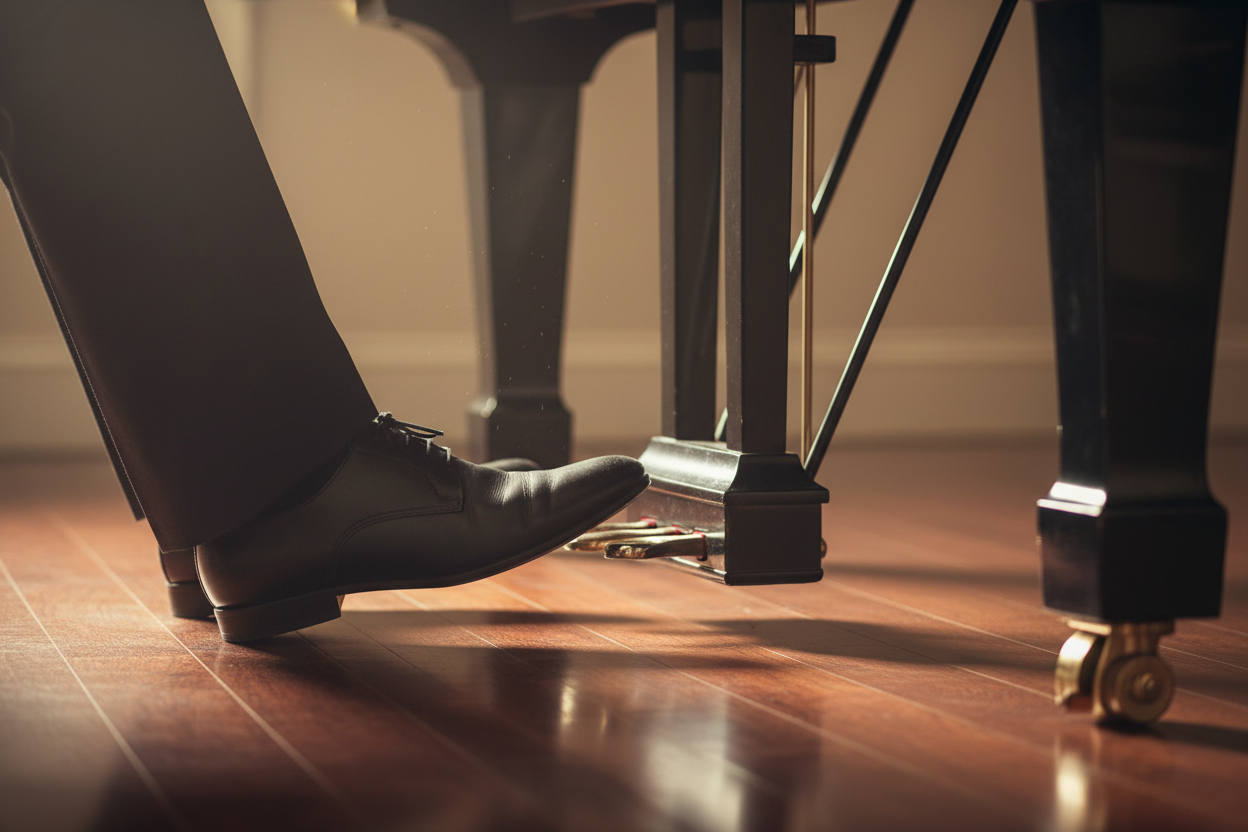
Master the Sustain Pedal: Unlocking Expressive Piano Playing for Beginners and Beyond
The sustain pedal is a fundamental tool that transforms basic piano notes into flowing, emotive music. Whether you play an acoustic grand piano or a digital keyboard, mastering this pedal can greatly enhance your expressiveness and musicality.
Key Takeaways
- The sustain pedal lifts dampers off strings, allowing notes to ring even after keys are released.
- It is essential for creating smooth legato and expressive phrasing on piano.
- Different types of pedals include sustain, soft (una corda), sostenuto, expression, and volume pedals.
- Proper pedaling techniques enhance musicality and prevent muddy sound.
- For beginners, focusing on the sustain pedal is the best starting point to improve playing.
Table of Contents
- Introduction
- Understanding the Sustain Pedal
- Different Types of Piano Pedals and Their Unique Functions
- Conclusion
- FAQ
Introduction
As a budding pianist, you might believe that hitting the right keys is everything you need to create beautiful music. However, there’s a hidden ingredient that can take simple notes and transform them into a beautiful, emotional melody - a tool known as the sustain pedal. Regardless of whether you’re using an acoustic grand piano or a digital keyboard, the sustain pedal plays a pivotal role in producing music that flows together seamlessly, rather than a string of disconnected notes.
The sustain pedal, often referred to as the damper pedal, allows notes to continue sounding even after you release the keys. This sustained resonance changes your ordinary key-tapping into an expressive artistic endeavor. In this article, we will delve into the world of sustain pedals, exploring what they are, why they are indispensable, various other pedal types you may come across, proper pedal techniques, and tips for selecting the ideal pedal for your instrument. Irrespective of whether you are at the beginner stage or looking to deepen your piano skills, mastering the sustain pedal will open up a world of new musical possibilities for you.
Understanding the Sustain Pedal
At its core, the sustain pedal has one straightforward yet powerful function - it lifts the dampers off the piano strings, allowing them to vibrate freely. Normally, when you let go of a key on the piano, the damper comes down on the strings, thereby immediately stopping the sound. By pressing the sustain pedal, you are essentially keeping these dampers off the strings, letting the notes continue to ring even after you’ve taken your fingers off the keys.
This sustained resonance is essential for creating legato playing - having smooth transitions between notes, turning disjointed chords and melodies into fluid musical phrases. The legendary pianist Artur Rubinstein once expressed that the sustain pedal is the "soul of the piano," emphasizing its transforming effect on how music feels when played.
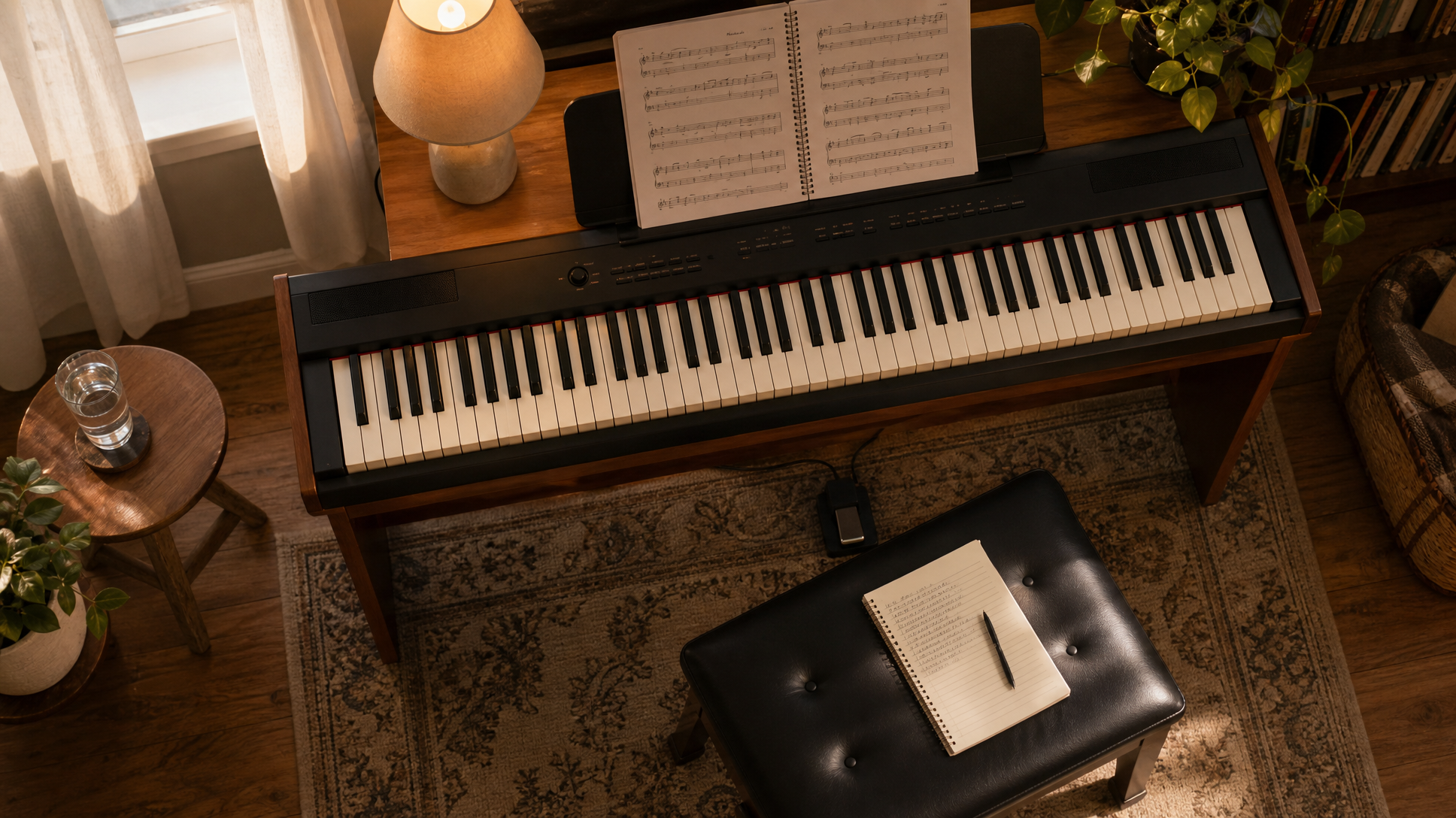
For both acoustic and digital pianos, the sustain pedal is considered the most crucial accessory. On digital keyboards, this pedal electronically simulates the damper mechanism, ensuring digital sounds resonate with the same expressiveness as traditional pianos.
Key benefits of the sustain pedal include:
- Prolongs note duration even after releasing the keys
- Provides seamless connection between melodies and chords
- Infuses warmth and richness into the sound
- Facilitates more expressive and emotive playing
Mastering the sustain pedal early on can help beginners transition from mechanical playing straight into musical performances.
Learn more about the sustain pedal’s function.
Different Types of Piano Pedals and Their Unique Functions
While the sustain pedal is the most common and essential pedal, many acoustic and digital pianos come equipped with different pedals designed for specific musical purposes. Here are the primary pedal types you may encounter:
1. Sustain Pedal (Damper Pedal)
As the name suggests, this pedal sustains notes by lifting the dampers from the strings. Located on the right, it is used in practically all piano pieces.
2. Soft Pedal (Una Corda)
Situated on the keyboard's left side, the soft pedal modifies the piano’s tonal color by either shifting the hammers or decreasing their velocity. On grand pianos, it shifts hammers physically so that they strike fewer strings (hence the name “una corda” means “one string” in Italian). On digital pianos, it electronically softens the sound. This pedal produces a gentler and more delicate tone.
3. Sostenuto Pedal
Positioned in the middle on grand pianos, the sostenuto pedal exclusively sustains notes that are held down when the pedal was pressed. It allows some notes to resonate freely while others are played staccato or muted. This pedal is ideal for intricate textures or layering found in advanced repertoire.
4. Expression Pedal
More prevalent on digital keyboards, expression pedals provide continuous control over parameters like volume swells, filter modifications, or modulation effects. Unlike sustain pedals, they offer variable control rather than a simple on/off function.
5. Volume Pedal
Primarily used in digital instruments, volume pedals regulate loudness output seamlessly with your foot, enabling hands-free volume management during performances.
Understanding these various pedals enables you to unlock the full expressive potential of your instrument. However, for most beginners, concentrating on mastering the sustain pedal is the best approach.
Conclusion
Understanding the historical and artistic context behind pedals helps in maximizing their use in the modern era. The name "una corda" emerged from earlier pianos that incorporated a single string per note, resulting in softer tones when the hammers struck fewer strings. As pedal usage has evolved with the instruments, it's crucial for pianists to adapt their pedaling techniques according to their instrument's capabilities.
Moreover, gaining expertise in pedal techniques will help your playing by serving as support rather than masking any errors.
“Proficiency in using piano pedals is a balancing act between interpretation and technicality. With practice and patience, pedal mastery will elevate your performances from mere notes on a sheet to a musical story that captivates your audience.”
Ready to enhance your playing? Consider selecting a high-quality sustain pedal upgrade suited to your piano or keyboard.
FAQ
What is the primary function of the sustain pedal?
The sustain pedal lifts the dampers off the piano strings, allowing notes to continue ringing even after the keys are released, creating smooth, connected legato playing.
How many pedals does a typical grand piano have?
Most grand pianos have three pedals: the sustain pedal (right), sostenuto pedal (middle), and soft pedal or una corda (left).
Can beginners use the other pedals besides the sustain pedal?
While other pedals add depth and nuance, beginners should focus first on mastering the sustain pedal before exploring the more advanced techniques associated with the soft and sostenuto pedals.
Do digital keyboards use the same pedaling mechanisms as acoustic pianos?
Digital keyboards replicate pedal functions electronically. The sustain pedal electronically simulates the damper mechanism, allowing for expressive playing similar to acoustic pianos.
How can I improve my pedal technique?
Practice slowly, listen carefully to the sound transitions, avoid holding the pedal too long to prevent muddy tones, and learn to coordinate pedal movements with your hands for seamless phrasing.