Cart
0
The Ultimate Guide to Using Headphones for Piano Practice: Benefits, Tips, and Recommendations
Discover how the right headphones can revolutionize your piano practice by providing clear sound, comfort, noise isolation, and creative freedom—whether practicing solo or in groups.
Key Takeaways
- Headphones enable silent, focused piano practice anytime without disturbing others.
- Choosing over-ear, closed-back headphones with flat frequency response ensures accurate tone reproduction and comfort.
- Headphones help improve technique by revealing subtle sound details and supporting ear training.
- Using headphones in group lessons fosters individualized learning and classroom order.
- Safe headphone habits protect hearing and maintain comfort during long practice sessions.
Table of Contents
- Why Use Headphones for Piano Practice?
- Choosing the Best Headphones for Piano Practice
- Benefits of Headphone Use for Piano Practice
- Using Headphones Effectively in Group Piano Lessons
- Tips for Safe and Comfortable Headphone Use
- Final Thoughts
- FAQ
Why Use Headphones for Piano Practice?
Practicing piano is a fulfilling but sometimes challenging endeavor, especially when navigating noise concerns and distractions. Headphones provide an effective way to:
- Play anytime without disturbing family or neighbors, offering flexibility to practice late or in shared spaces.
- Enhance focus by blocking out environmental noise, allowing deeper concentration on your music.
- Experience clearer, more detailed piano sound, which helps detect subtle mistakes and improve technique.
- Create a private, comfortable space that encourages experimentation and musical confidence without fear of being overheard.
- Facilitate individualized instruction in group lessons through quiet, focused practice.
Headphones have thus become essential tools for pianists of all skill levels seeking a flexible, effective practice routine.
Choosing the Best Headphones for Piano Practice: What to Look For
Not all headphones are ideal for piano practice. To ensure the best experience, focus on these essential features:
1. Sound Quality and Accurate Tone Reproduction
Choose headphones with a flat frequency response, meaning they do not artificially boost bass or treble. This neutrality lets you hear the true tonal balance of your piano, enabling precise adjustments and ear training.
Recommended models include:
- Audio-Technica ATH-M50x: Studio-grade sound with detailed highs and deep bass.
- AKG K92 Closed-back Headphones: Neutral sound and lightweight comfort.
- Sony MDR-7506: Trusted classic with balanced audio for quiet settings.
- Beyerdynamic DT 770 Pro X: Excellent noise isolation and balanced sound.
2. Comfort for Long Practice Sessions
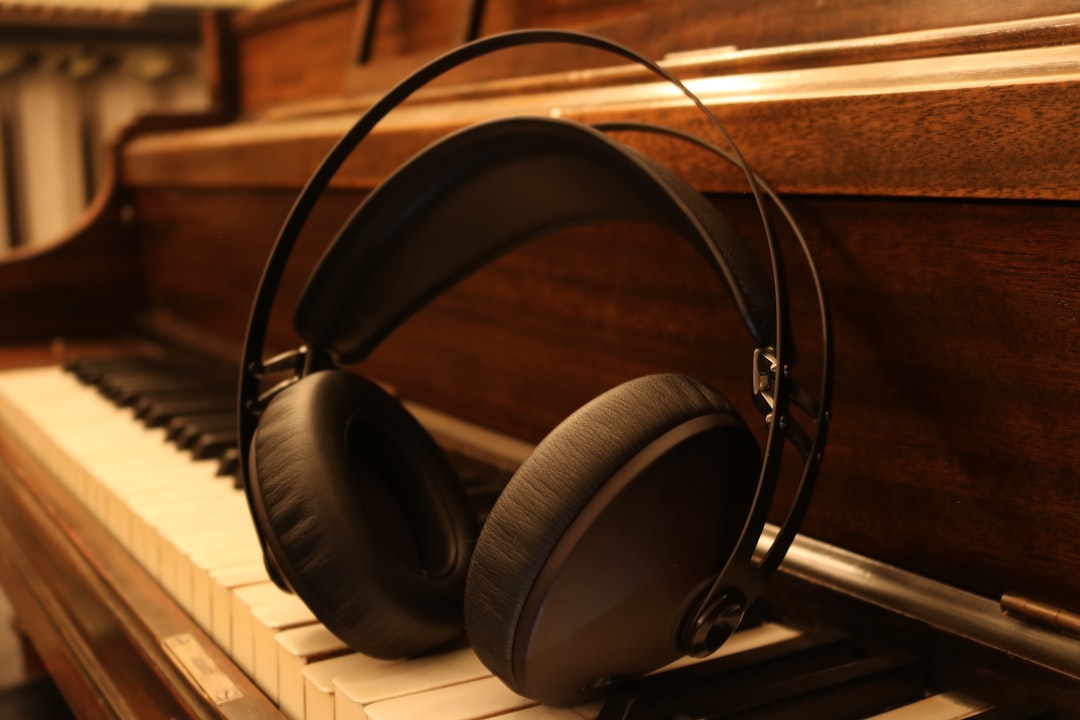
Opt for over-ear, closed-back headphones with padded ear cups and adjustable headbands. Comfort is crucial for sessions lasting 30 minutes or more to avoid ear fatigue.
3. Noise Isolation
Closed-back designs block external sounds and reduce leakage, so you can practice quietly and focus fully.
4. Impedance and Compatibility
Choose headphones with low to medium impedance (32–65 ohms) to ensure optimal performance from your digital piano’s headphone output without requiring extra amplification.
5. Cable Quality and Management
Durable, preferably detachable cables with a length between 1.5 and 3 meters (preferably coiled) offer flexibility and reduce risk of damage.
Investing in high-quality headphones tailored for musicians significantly enhances your piano practice experience by delivering correct tone and lasting comfort.
Benefits of Headphone Use for Piano Practice
Using headphones unlocks multiple advantages that help improve skill, focus, and enjoyment:
- Noise Control: Practice anytime without disturbing others, increasing opportunities to improve.
- Enhanced Focus: Block distractions like conversations or street noise for a more productive session.
- Sound Clarity: Hear every note’s attack, decay, and dynamics with precision.
- Creative Freedom: Play without fear of being overheard, encouraging experimentation.
- Ear Training: Sharpen pitch, rhythm, and tonal awareness through detailed listening.
- Hearing Health: Manage volume and breaks to protect your long-term hearing.
- Affordable Silent Practice: Combine with digital pianos for quiet, high-quality practice without costly silent acoustic models.
Using Headphones Effectively in Group Piano Lessons
Headphones are transformative in group lessons by allowing personalized practice without disrupting the class:
- Individual Focus: Students work on tailored exercises quietly, minimizing classroom noise.
- Structured Lesson Flow: Teachers alternate between group instruction, silent headphone practice, and ensemble activities.
- Equipment Setup: Use headphone splitters and coiled cables to connect multiple sets safely to one keyboard.
- Motivation and Scaffolding: Tailored challenges build confidence and engagement while maintaining a calm atmosphere.
- Real-World Skill Preparation: Students learn to monitor their playing carefully, useful in recording and live settings.
Tips for Safe and Comfortable Headphone Use
- Monitor Volume: Keep sound levels comfortable to prevent hearing damage.
- Take Breaks: Remove headphones every 30–60 minutes to rest your ears.
- Alternate Ears: Switching headphone position or leaving one ear uncovered can reduce fatigue.
- Maintain Equipment: Use durable cables and replace worn parts promptly.
- Choose Comfort: Prioritize padding and fit for longer practice without discomfort.
Final Thoughts: Headphones as a Game-Changer for Piano Practice
Headphones transform piano practice into a more enjoyable, focused, and flexible experience. They let you:
- Practice undisturbed anytime and anywhere.
- Hear the piano’s true tone for improved technique and musicality.
- Take creative risks confidently without self-consciousness.
- Enhance learning in group settings through personalized audio focus.
Selecting quality over-ear, closed-back headphones designed for musicians unlocks the full benefits. For pianists without silent acoustic pianos, combining digital pianos with recommended headphones provides an affordable, practical silent practice solution.
Remember to protect your hearing and enjoy the rich rewards headphones bring to your musical journey. Invest in the right headphones today and elevate your piano practice to the next level—anytime, anywhere.
FAQ
Are earbuds suitable for piano practice instead of over-ear headphones?
While earbuds can be convenient, over-ear, closed-back headphones generally provide better sound accuracy, noise isolation, and comfort for longer piano practice sessions. Over-ear models also reduce ear fatigue and offer a more immersive listening experience essential for detecting subtle piano nuances.
How loud should I play music through headphones during practice?
Aim for a comfortable volume that allows you to hear details clearly without causing strain or discomfort. Avoid pushing volume to high levels and take regular breaks to protect your hearing. Listening at moderate volumes preserves ear health and maintains sustainable practice habits.
Can I use any headphones with my digital piano?
Ensure the headphones have an impedance between 32 and 65 ohms to be compatible with most digital piano headphone outputs. High-impedance headphones may require an external amplifier. Choosing headphones built for music ensures better tonal accuracy and playability.
How do headphones help in group piano lessons?
Headphones allow students to practice individual pieces quietly without disrupting others. This enables personalized instruction and focus while maintaining class order. Teachers can manage multiple students more effectively by using headphone splitters and ensuring everyone hears their own playing clearly.
What are some recommended headphone models for piano practice?
Some highly recommended headphones include the Audio-Technica ATH-M50x, AKG K92, Sony MDR-7506, and Beyerdynamic DT 770 Pro X. These models offer accurate sound reproduction, comfort, and sturdy construction ideal for piano practice.