Cart
0
Essential Skills and Equipment for Musicians in 2026: A Complete Guide for Aspiring Artists and Producers
Master the evolving landscape of music in 2026 with a blend of creativity, technical proficiency, and business savvy. From smart practice to smart gear and ethical AI use, this guide equips artists and producers to build lasting, dynamic careers.
Key takeaways
- Streaming and short-form video dominate music distribution and discovery in 2026.
- Musicians must develop creative, technical, and business skills to thrive.
- Deliberate, structured practice accelerates musicianship efficiently.
- A cost-effective home studio setup is essential for modern music production.
- Ethical integration of AI enhances creativity without replacing artistry.
- Education, community, and wellness underpin sustainable music careers.
Table of Contents
- 1. The Music Industry Landscape in 2026
- 2. Essential Skills Musicians Must Develop
- 3. Smart Practice Techniques to Accelerate Musicianship
- 4. Foundational Music Production Equipment
- 5. Integrating Technology and AI in Music Creation
- 6. Preparing for a Sustainable Music Career
- 7. Conclusion: Your Action Plan for Success
- FAQ
1. The Music Industry Landscape in 2026
The music industry in 2026 is shaped by the unstoppable growth of streaming and the viral power of short-form video. With streaming revenues totaling an estimated $60–65 billion USD, artists must harness these platforms to reach audiences instantly. TikTok and Instagram Reels have become critical engines for music discovery, favoring catchy, authentic content with strong visual appeal.
- Streaming Revenues: Streaming generates around 67–69% of recorded music income, making it the primary financial driver for artists and labels.
- Short-Form Video Impact: Success increasingly depends on creating compelling, shareable video content that resonates fast with global fanbases.
- Global Reach and Australian Talent: International interest in Australian artists is rising despite a dip in local visibility — an opportune moment for new voices to shine.
- Live Music Revival: Post-pandemic live shows return with high energy yet fierce competition, requiring diversification to maintain income streams.
Understanding these shifts is critical for building a sustainable music career that responds to how fans consume and engage with music.
Explore further streaming market insights at KBV Research and Research Nester.
2. Essential Skills Musicians Must Develop
Today's successful musicians combine artistry with sharp technical, business, and interpersonal skills. This section highlights core proficiencies to cultivate by 2026.
Creativity and Technical Mastery
- Fuse Music with Visual Storytelling: Embrace narrative-driven visuals to boost engagement on video platforms.
- Broaden Your Musical Toolkit: Experiment across genres and deepen music theory knowledge for a richer sound palette.
- Sharpen Your Ears and Eyes: Develop ear training and sight-reading skills to improve collaboration and intuition.
Digital Fluency and Business Acumen
- Understand Royalties and Rights: Artists should know that labels take 50–55% of streaming revenues, while publishers claim 10–15%; protect your earnings accordingly.
- Leverage Audience Data: Use analytics to monitor engagement, plan releases, and tailor your outreach strategy.
- Think Like an Entrepreneur: Master marketing, contracts, and financial planning to navigate music as a business.
Collaboration and Adaptability
- Cross-Disciplinary Work: Build networks with producers, designers, and managers to open creative doors.
- Perform Live and Online: Balance physical gigs with livestreams to grow your audience and resilience.
- Prioritize Mental Health: Regular mindfulness, rest, and self-care habits ensure longevity in a demanding industry.
For deeper business understanding, visit Goldman Sachs’ global revenue forecast.
3. Smart Practice Techniques to Accelerate Musicianship
Effective practice means working with intention and structure. Here are five tips to help you advance quicker and avoid burnout:
- Use a Metronome: Start slow, focus on precision, then gradually increase tempo.
- Track Your Progress: Keep a practice journal noting goals, struggles, and improvements.
- Break It Down: Isolate challenging sections before assembling the whole piece.
- Record Yourself: Playback recordings reveal hidden mistakes and highlight areas to improve.
- Explore Other Genres: Stretch your creativity and versatility by learning outside your usual style.
Building Musicianship and Wellness
- Use ear training apps and practice sight-reading regularly.
- Incorporate stretches and breaks to prevent injury.
- Practice breathwork or meditation to ease performance anxiety.
- Create a consistent routine to maintain motivation and energy.
Discover more practical techniques at The Music Depot.
4. Foundational Music Production Equipment for Beginners
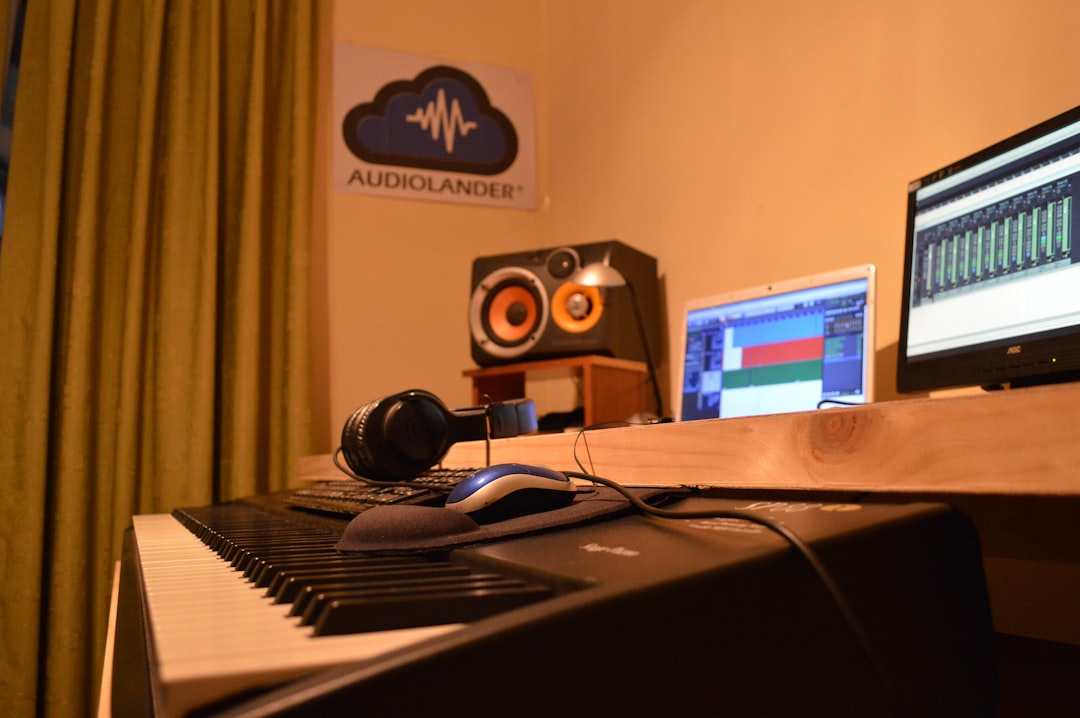
Launching your home studio doesn't require breaking the bank. The essentials offer a strong start for producing professional-quality music.
| Equipment | Recommended Options | Approx. Cost Range | Purpose |
|---|---|---|---|
| Computer | Acer Aspire 5, MacBook Air M4 | $300–$500 | Central hub for production tasks |
| Digital Audio Workstation (DAW) | FL Studio, Logic Pro X, GarageBand | Free – $10/month | Compose and edit music |
| Audio Interface | Focusrite Scarlett Solo | $50–$150 | Converts analog audio to digital |
| MIDI Controller | Akai MPK Mini Mk3 | $100–$200 | Triggers virtual instruments |
| Studio Monitors/Headphones | Adam Audio T5V, Audio-Technica ATH-M50x | $40–$500 | Accurate sound reproduction |
| Microphone | Shure SM57 | $60–$120 | Record vocals or instruments |
| Plugins & Sound Libraries | Waves Essentials bundle, free VSTs | Free – moderate cost | Effects and virtual instruments |
| Accessories | Cables, pop filter, stands | Varies | Support studio workflow |
| Optional | Acoustic panels, ergonomic furniture | Moderate | Enhance sound and comfort |
Start with essentials and upgrade as your skills and budget grow. Experiment with free DAWs before investing. Understand loudness standards like -14 LUFS for streaming compatibility. Explore AI tools such as AIVA for composition inspiration and LANDR for automated mastering.
Shop gear including the Focusrite Scarlett Solo, Akai MPK Mini, and Waves Essentials plugins.
5. Integrating Technology and AI in Music Creation
AI and digital tools are reshaping the creative workflow, offering musicians new ways to compose, produce, and collaborate.
- Composition Assistance: AI platforms like AIVA propose chord progressions and melodies to jumpstart ideas.
- Automated Mastering: Services such as LANDR provide quick, polished masters suited for digital release.
- Sample Isolation: AI-powered stem separation tools enable remixing and deep track analysis.
- Cloud Collaboration: Remote teamwork is streamlined through cloud-based DAWs and sharing platforms.
“Let technology enhance your creativity, not replace it. The true magic remains in your unique artistic voice.”
Balance is key: use AI to support your workflow but continue investing in musicianship and emotional expression.
Learn more from APRA AMCOS on AI’s evolving role in music.
6. Preparing for a Sustainable Music Career Through Education and Community
Beyond creation, nurturing a music career requires education, networking, and personal wellbeing.
Education that Combines Creativity, Tech, and Business
Programs like those at the Australian Institute of Music (AIM) equip students with skills in:
- Performance, songwriting, and production
- DAWs, sound engineering, and AI tools
- Industry contracts, marketing, and publishing insights
- Hands-on experience with live showcases and projects
- Global marketing and fan engagement techniques
Community and Connection
- Participate in local or online music communities to share ideas and receive feedback.
- Collaborate across disciplines to broaden your creative reach.
- Use platforms like Instagram, YouTube, and Bandcamp to build engaged audiences.
Wellness for Longevity
- Adopt mental health practices like mindfulness and rest.
- Set clear goals while celebrating incremental progress.
- Build resilience to weather the challenges of a music career.
Explore education options at AIM.edu.au.
7. Conclusion: Your Action Plan for Success in Music by 2026
To succeed in 2026’s fast-evolving music scene, embrace a holistic approach:
- Stay updated on streaming and video platform trends.
- Develop a balanced skillset: musical, technical, and business.
- Practice deliberately and smartly to build musicianship efficiently.
- Invest in a home studio setup tailored to your workflow.
- Use AI tools ethically—enhance your creativity, never replace it.
- Pursue continuous education and build a strong creative community.
- Prioritize your wellbeing for sustained passion and productivity.
With determination and knowledge, your music career can be not only possible but powerful in the years ahead.
FAQ
Q: What is the most important skill for musicians in 2026?
A: A combination of creative versatility, digital fluency, and business understanding is essential to navigate the modern music ecosystem effectively.
Q: Do I need expensive gear to start producing music at home?
A: No. Basic, affordable equipment and free or inexpensive software can produce professional-level music if used properly.
Q: How can AI support my music creation?
A: AI tools can suggest ideas, automate mastering, extract stems, and facilitate remote collaboration—but should complement, not replace, your personal creativity.
Q: Where can I learn more about music business and technology?
A: Institutions like the Australian Institute of Music offer comprehensive programs combining creativity, tech, and business knowledge.