Cart
0
The Future of Musical Instruments in 2026: Trends, Tech, and What Musicians Are Choosing
2026 is shaping up to be a year of exciting innovation and deepening tradition in the world of musical instruments. From AI-enhanced gear to the resurgence of vinyl and live music, musicians have more creative tools and choices than ever before.
Key Takeaways
- Electric guitars blend classic design with AI-powered features and extended-range necks, fueling a $9.46 billion market.
- Pedalboards and amp modelers now offer portable, AI-driven tone control for personalized, studio-quality sound anywhere.
- Digital pianos feature realistic key action and smart connectivity, ideal for learners and professionals alike.
- Modular synths have become accessible instruments for real-time sonic experimentation enhanced by AI.
- Electronic drum kits combine authentic playability with innovative integration and portability.
- Ukuleles remain an affordable, beginner-friendly favorite with broad musical appeal.
- Smart connected instruments act as creative partners, integrating AI to enhance musical expression.
- The live music scene is booming again, supported by immersive technology and authentic performance.
- Vinyl and hi-res digital audio coexist, reflecting a renewed appreciation for sound quality and format diversity.
- AI supports—not replaces—musicians, emphasizing ethical, creative, and sustainable use of technology.
Table of Contents
- Electric Guitars: Smarter, More Adaptable, Just as Iconic
- Pedalboards and Amp Modeling: Portable Tone, Personalized Control
- Digital Pianos: Realistic Touch Meets Smart Connectivity
- Modular Synths: Tactile Innovation Meets Sonic Exploration
- Electronic Drum Kits: Authentic Feel, Smarter Tech
- Ukuleles: Accessible, Affordable, and Always in Style
- Smart Connected Instruments: The Collaborative Future
- The Live Music Revival: Back—and Bigger Than Expected
- Vinyl and Hi-Res Audio: The Best of Both Worlds
- AI in Music: Partnering with Creativity, Not Competing
- Gear as Expression: Artist Insights That Resonate
- Conclusion: Embracing the Next Chapter of Music-Making
1. Electric Guitars: Smarter, More Adaptable, Just as Iconic
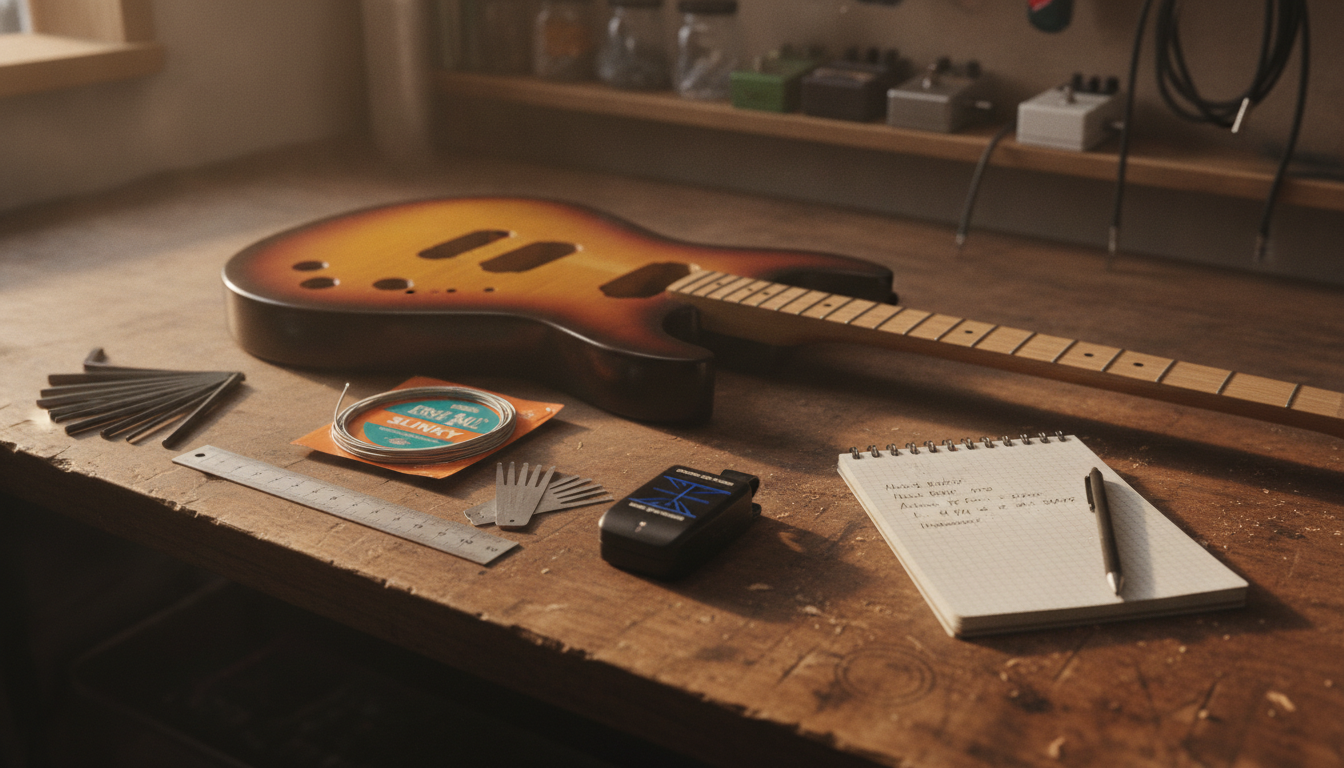
Electric guitars continue to be essential tools for musicians at every level, with the global market projected to hit $9.46 billion in 2026. The blend of nostalgic charm and cutting-edge innovation is driving this growth, delivering guitars that fit a range of players and settings.
Key innovations include:
- Smart guitars with built-in AI: These models assist with tuning, tone shaping, and interactive learning, accounting for around 36% of category growth.
- Extended-range necks: Brands like Fender and Ibanez are expanding fretboard options, catering to players seeking versatility.
- High-tech acoustic-electrics: Combining traditional craftsmanship with modern sensor technology for rich sound unplugged or amplified.
- Beginner to pro pipeline: Players often start on acoustics and transition to electrics as they develop style and skills.
Amp modeling further expands sonic possibilities, offering varied tones without the need for bulky equipment or loud volumes. In 2026, guitarists choose instruments compatible with headphone practice, home recording, and live performance.
Discover more on electric guitar trends at The Music.
2. Pedalboards and Amp Modeling: Portable Tone, Personalized Control
Advances in pedalboard and amp modeling technology are redefining how musicians craft their tone. Offering a compact, intelligent design, these devices integrate AI to enable studio-quality effects accessible live and on the move.
- Streamlined, adaptable setups: Compact boards now include smart add-ons such as built-in tuners, capos, and signal routers, all customizable to personal rigs.
- On-device AI tone control: Real-time sound adjustment achieves complex effects effortlessly.
- Seamless gear compatibility: Works flawlessly with modular synths, recording setups, and stage equipment.
These innovations provide musicians the flexibility needed for quiet practice, recording sessions, and dynamic performances without sacrificing quality.
Explore the latest trends at the NAMM Show Blog.
3. Digital Pianos: Realistic Touch Meets Smart Connectivity
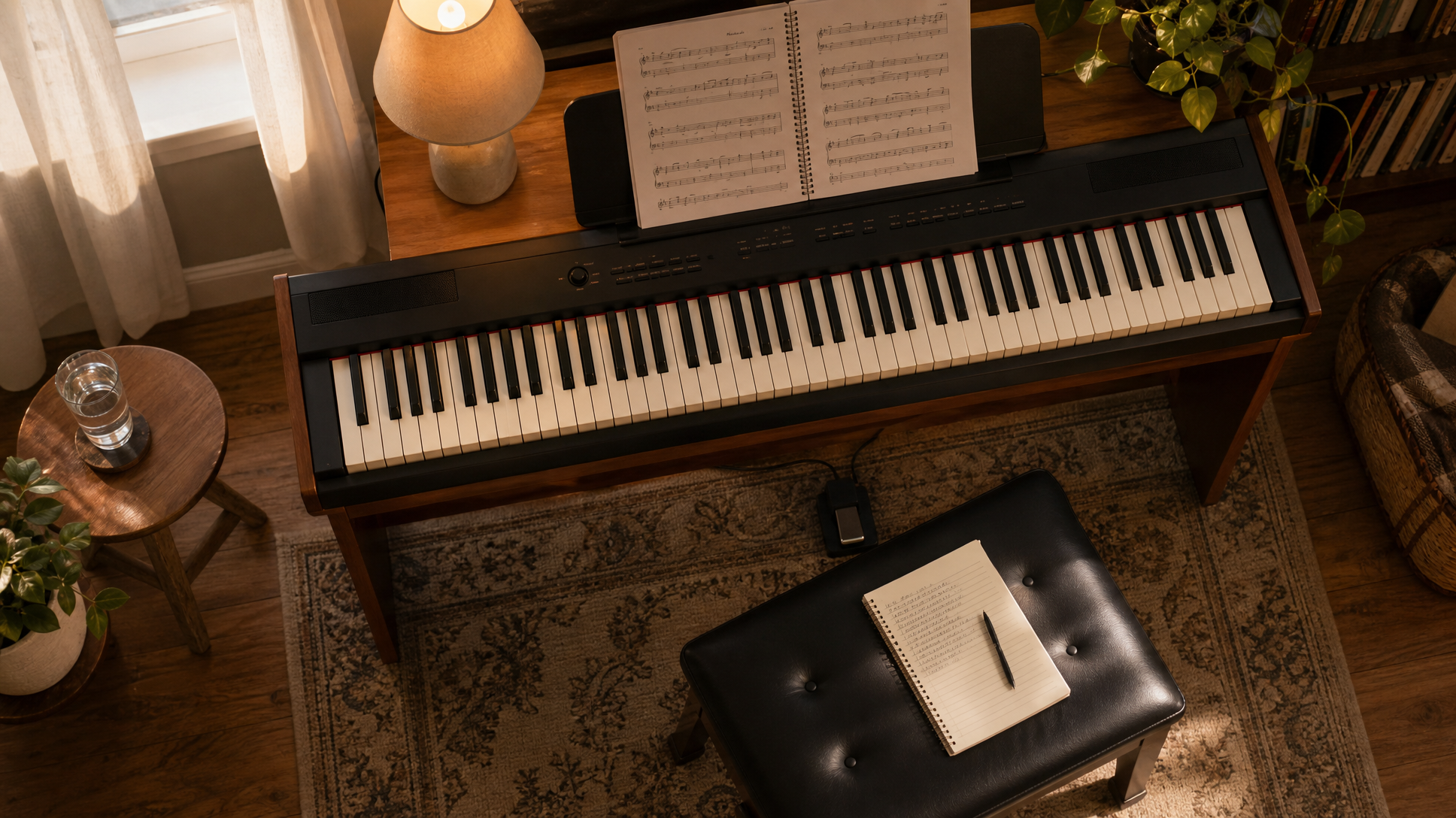
Digital pianos are more popular than ever, combining authentic playing feel with advanced connectivity and AI-driven learning tools. They are tailored equally to beginners practicing at home and professionals sharing music remotely.
- Weighted key action: Keybeds mimic acoustic piano touch for expressive play.
- Headphone support: Enables silent practice with uncompromised sound quality.
- Built-in AI tools: Features like adaptive lessons and real-time feedback support skill development.
- App integration: Connects seamlessly with educational platforms and collaborative tools.
These features make digital pianos invaluable instruments for growth and creative exploration.
See real-world examples from the NAMM Show Blog.
4. Modular Synths: Tactile Innovation Meets Sonic Exploration
Once niche and technical, modular synthesizers have become accessible instruments rich with creative potential. They offer hands-on control paired with AI-enhanced features designed for live and studio use.
- Real-time AI modeling: Gesture-responsive modulation lets musicians shape sounds expressively.
- Digital workflow integration: Easy connection to DAWs and game/virtual production platforms.
- Performance ready: Designed not just for experimentation but for live performances.
Their tactile nature encourages spontaneous creativity, making modular synths vital for experimental artists and sound designers alike.
Celebrate the season with savings — get 5% off your order using code EXCLUSIVE5 at checkout
Learn more with insights from the NAMM Show Blog.
5. Electronic Drum Kits: Authentic Feel, Smarter Tech
Electronic drum kits have evolved far beyond practice tools to become versatile instruments for recording and live gigs. They combine acoustic realism with cutting-edge integration suitable for modern workflows.
- Acoustic-style design: Instruments like Roland’s V-Drums Acoustic Design feature real shells and tensionable heads for natural playability.
- Deep software integration: Sync to expansive libraries, loopers, and recording tools.
- Portable modular setups: Foldable and compact for home studios or mobile performances.
- AI-assisted pads: Advanced pads offer sequencing and expression powered by AI.
These kits offer musicians the ideal balance of authenticity and innovation.
Watch demonstrations on YouTube.
6. Ukuleles: Accessible, Affordable, and Always in Style
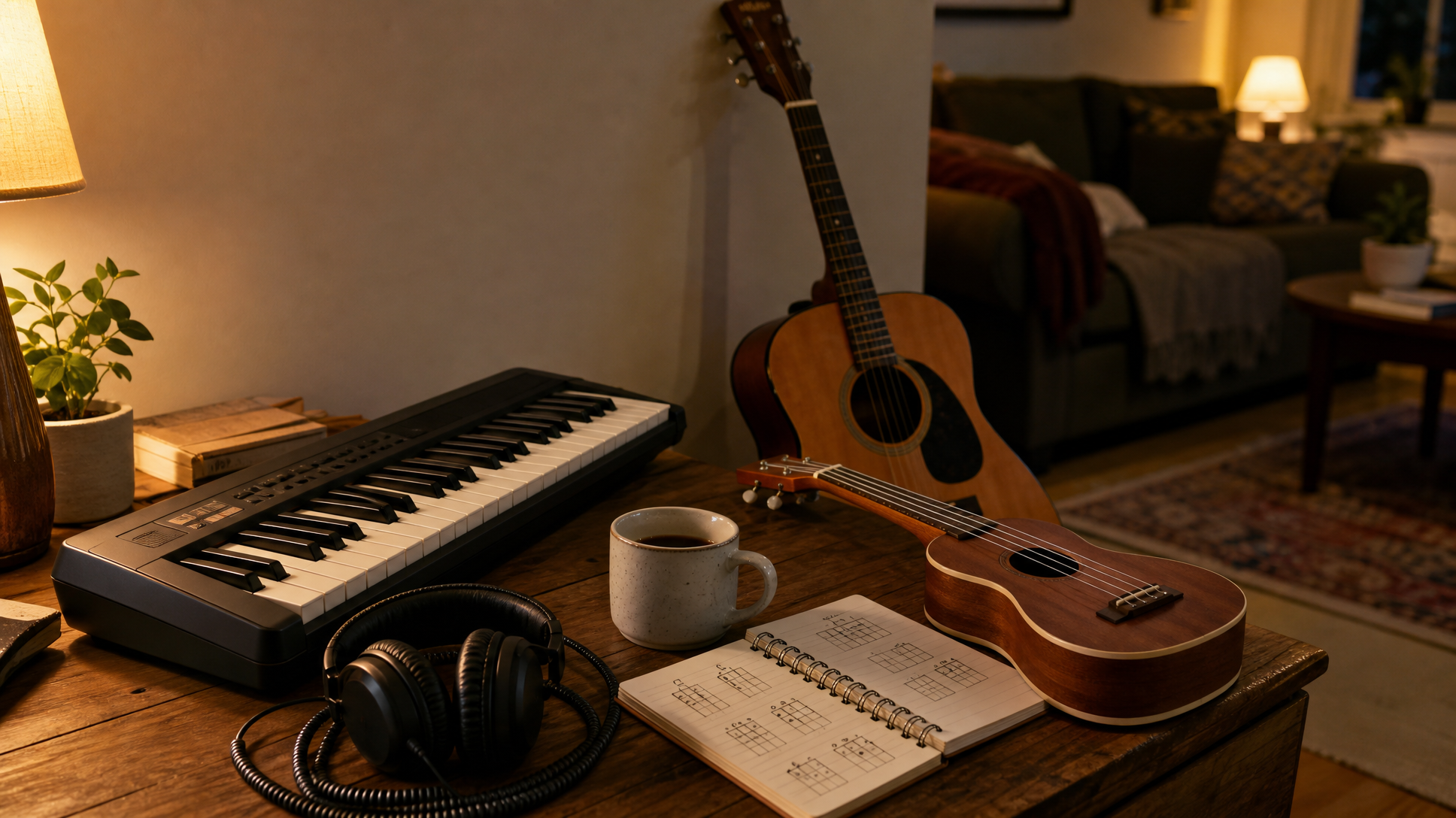
The ukulele remains a cherished instrument due to its ease of learning, affordability, and portability. Its bright sound and simple design fit a wide range of genres and settings.
- Beginner-friendly: Ideal for all ages and educational programs.
- Low-cost: Great value without sacrificing quality.
- Ultra-portable: Perfect companion for travel and informal jam sessions.
- Broad appeal: Used in pop, folk, indie, and more.
Its simplicity makes it a timeless entry point as music continues to become more inclusive and mobile.
Explore purchase patterns at Chesbro Music Company.
7. Smart Connected Instruments: The Collaborative Future
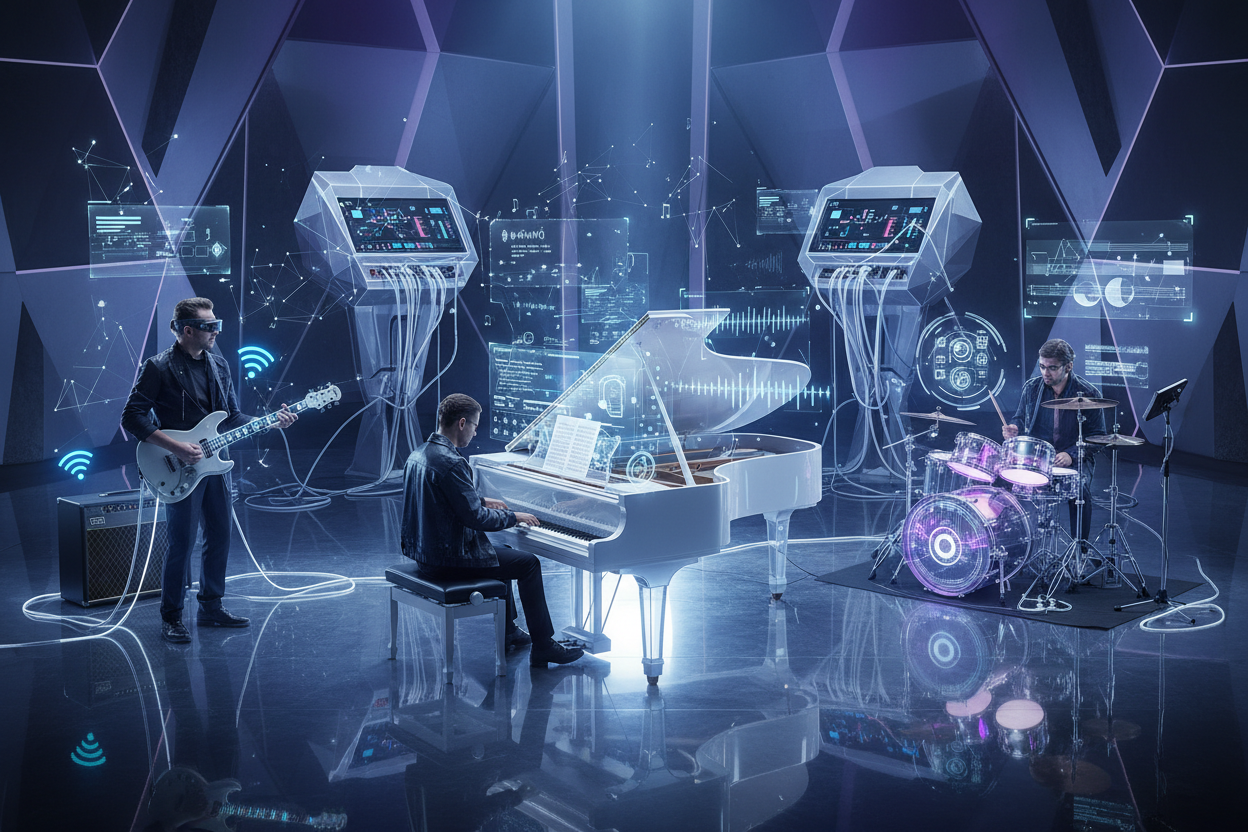
Powered by AI, smart connected instruments represent a new class that actively supports musicians throughout the creative process rather than passively producing sound.
- AI-assisted accompaniment: Real-time adaptation to rhythm, melody, and harmony.
- Dynamic tone shaping: Automatic adjustment of tone parameters responding to play style.
- Full integration: Responsive apps and external devices streamline studio and live use.
- Built-in learning tools: Progress tracking and interactive lessons encourage development.
These instruments serve as creative partners—enhancing expression without replacing human artistry.
Discover smart instrument insights through the NAMM Show Blog and The Music.
8. The Live Music Revival: Back—and Bigger Than Expected
After years of challenges, live music is booming with renewed energy, driven by both legendary acts and fresh talent. Enhanced by technological advances, the scene is vibrant and more accessible.
- Blockbuster tours: Icons like Bruce Springsteen, Eminem, and Florence + The Machine lead major global events.
- Mid-size festival growth: Smaller venues support emerging artists and local scenes.
- Innovative audio and visuals: Next-level engineering and stagecraft deepen audience engagement.
- Authenticity matters: Despite AI in production, nothing replaces live human performance.
Live music remains a powerful, irreplaceable connection between artists and fans.
Learn more via The Music and Global News.
9. Vinyl and Hi-Res Audio: The Best of Both Worlds
Physical formats like vinyl are thriving alongside hi-resolution digital audio, reflecting a nuanced listener landscape where quality and tangibility matter.
- Vinyl’s resurgence: Tactile and collectible appeal boosts its market share over CDs.
- Youth engagement: Younger listeners seek ownership and physical experience over ephemeral streaming.
- Lossless streaming: Formats such as FLAC and MQA satisfy audiophile demands.
- Return to wired gear: Audiophiles prefer wired headphones to preserve fidelity.
- Affordable hi-fi: Compact, integrated audio systems make quality sound more accessible.
This diversification highlights a mature appreciation for sound quality across formats.
Read more at Global News.
10. AI in Music: Partnering with Creativity, Not Competing
Artificial intelligence in 2026 complements musicians’ workflows, helping to streamline production, refine ideas, and personalize gear response—all while respecting creative integrity and ethics.
- Workflow enhancement: AI accelerates arrangement and production without diluting artistic voice.
- Ethical priorities: Transparency and consent govern AI-generated content.
- Intelligent gear: Instruments auto-adapt tone and effects in real time.
- Sustainable design: Durable, ethically made gear appeals to environmentally conscious musicians.
- Online customization: Over half of musicians customize gear online with personalized accessories.
When used thoughtfully, AI empowers human creativity without imitation or replacement.
Discover extensive reporting at Global News.
11. Gear as Expression: Artist Insights That Resonate
Musician legends like Nita Strauss and John Mayer remind us that gear is not just equipment; it’s a core extension of artistry and identity.
- Nita Strauss’s tonal focus: Customized pickups craft her signature sustain and tone, deepening emotional connection.
- John Mayer’s design philosophy: Sees gear as a seamless extension of musical thought, facilitating flow rather than limiting it.
- Custom rig components: Small details like cables and switches add to an elusive but essential “feel.”
“Choosing the right gear is a deeply personal journey—it’s about confidence and making your voice heard clearly.”
Gain deeper perspectives at Chesbro Music Company.
Conclusion: Embracing the Next Chapter of Music-Making
The music industry in 2026 is a vibrant blend of innovation and tradition. Whether opting for smart-enabled guitars, modular synths, digital pianos, handcrafted ukuleles, or immersive live experiences, musicians have more empowerment and choices than ever.
Physical formats coexist with hi-res digital audio, while AI supports creativity ethically and sustainably. Embracing these trends ensures your music journey is aligned with the evolving landscape and your personal artistic vision.
For the latest updates and expert insights on music gear and trends, stay connected with Emusicmart.
FAQ
Q: How is AI currently used in musical instruments?
AI in 2026 helps with tone shaping, accompaniment, interactive lessons, and real-time sound adjustments, enhancing creativity without replacing human input.
Q: Are electronic drum kits suitable for professional performances?
Yes, modern electronic kits provide acoustic-style playability and deep software integration, making them a popular choice for recording and live shows.
Q: Why is vinyl making a comeback despite streaming dominance?
Vinyl offers tactile and collectible appeal, deeper listener engagement, and a physical connection to music that many fans and younger audiences value.
Q: What makes smart connected instruments different?
They integrate AI to assist with accompaniment, tone shaping, and learning, acting as collaborative tools that enhance expressive possibilities without replacing creativity.
Q: How important is gear customization for professional musicians?
Customization is crucial—it fine-tunes tone, feel, and workflow to align with personal style, helping artists connect more deeply with their instruments and audiences.