Cart
0
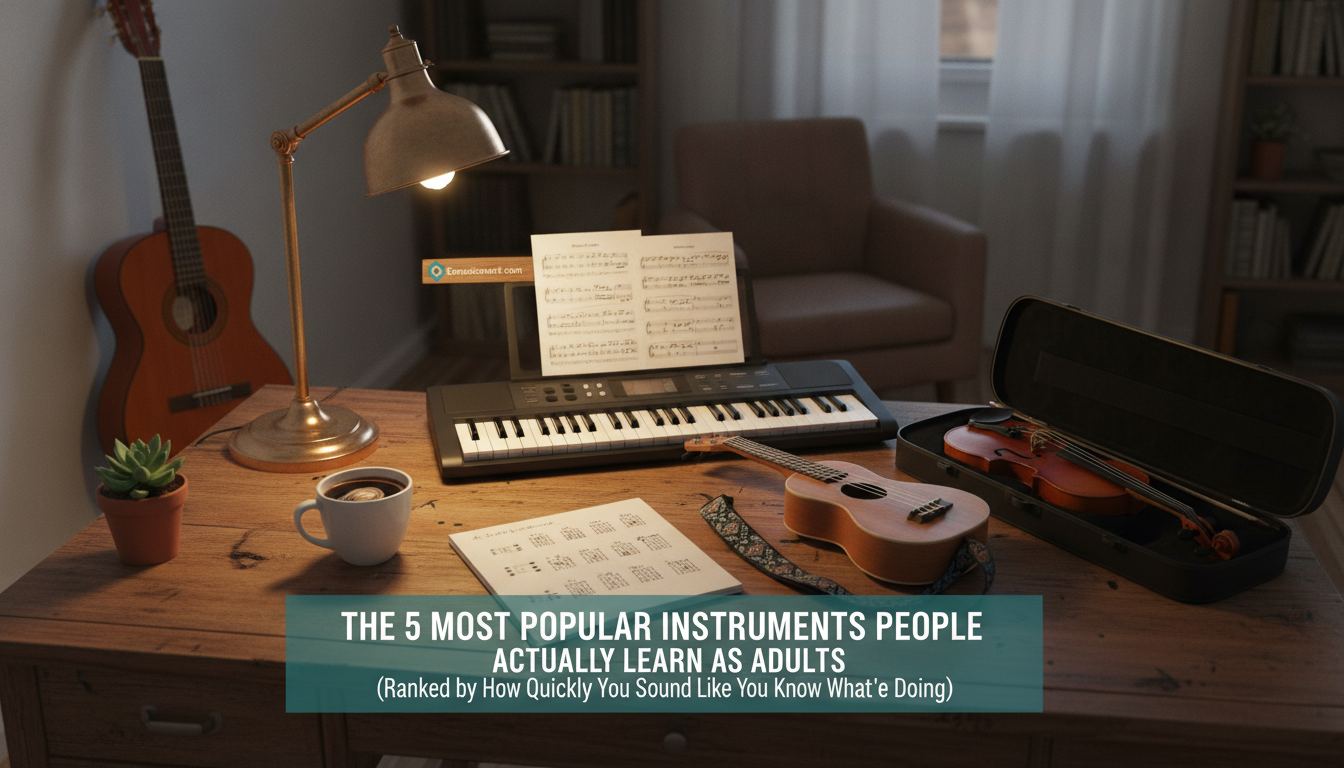
Most adults who pick up an instrument for the first time make the same mistake: they choose based on what looks cool or what they loved listening to at 17, then quit six months later because progress felt invisible. The problem isn't dedication — it's that nobody told them some instruments reward early effort with actual music, and others make you earn every note for years before anything sounds intentional.
This isn't a beginner's guide to music theory. It's a straight ranking of five of the most commonly learned instruments, judged by one practical metric: how fast does an adult with a normal schedule — maybe 20-30 minutes of practice a few evenings a week — get to the point where playing feels genuinely satisfying rather than like homework?
That's a different question than "which is easiest," and the answers might surprise you.
How This Ranking Works
Each instrument is ranked by time-to-satisfaction, not time-to-mastery. Mastery takes years on every instrument. Satisfaction — that moment when you sit down, play something recognizable, and actually enjoy it — can happen in weeks on some instruments and take the better part of a year on others. For an adult with limited practice windows, that gap is everything.
#1 — Ukulele
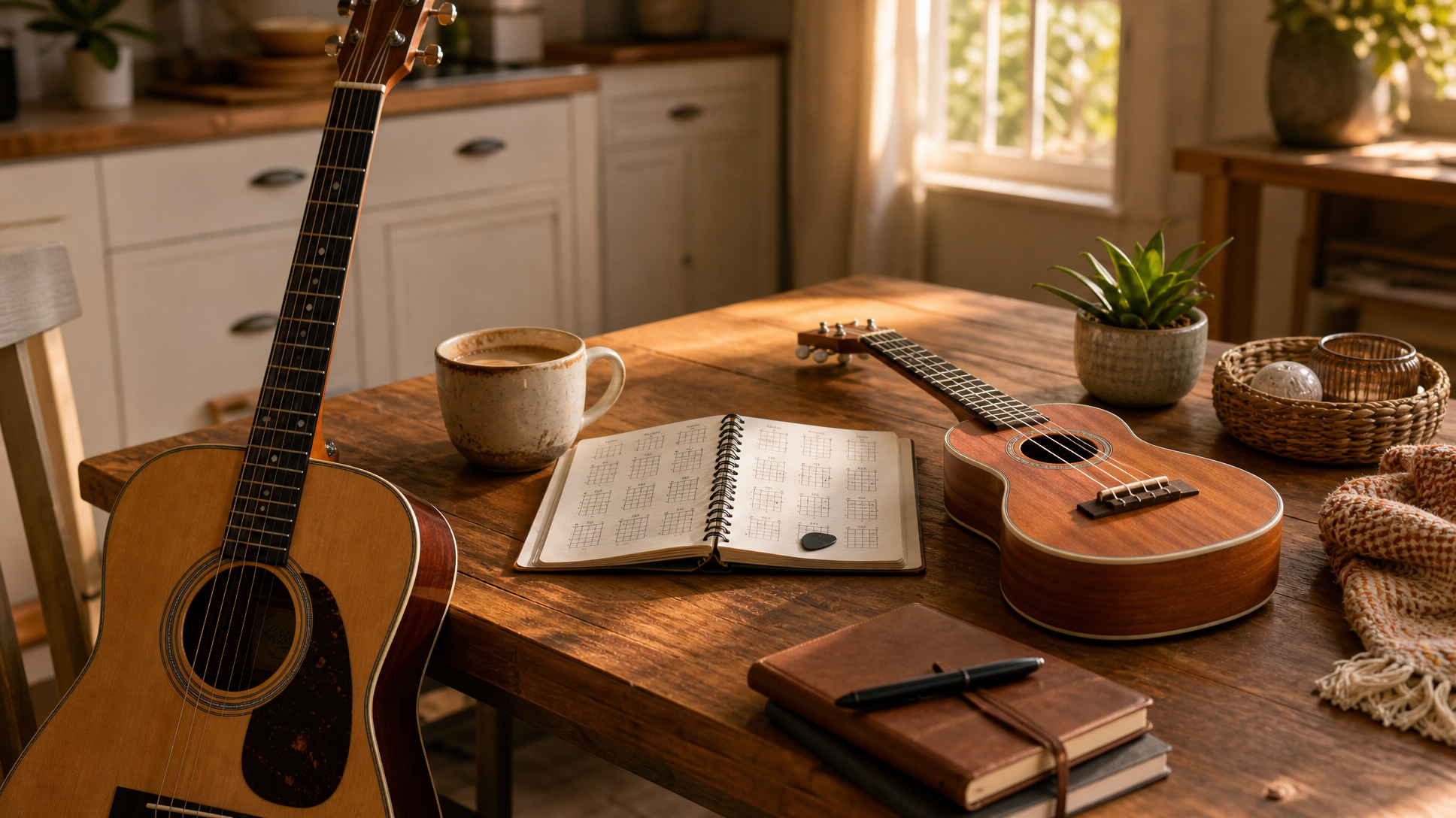
Nothing on this list gets you to a real, singable song faster. Four strings, a compact body, and nylon strings that are forgiving on fingertips — the ukulele is engineered (accidentally) for quick wins. A handful of chord shapes covers a genuinely surprising number of songs, and the chord transitions are close together on the fretboard, which means less hand repositioning and fewer fumbled changes in the first few weeks.
The honest caveat: the ceiling is lower than most instruments here. Once you've got the basics down, pushing past them takes real commitment. But if your goal is to strum around a campfire or accompany your own singing within a month or two, nothing competes.
#2 — Piano / Keyboard
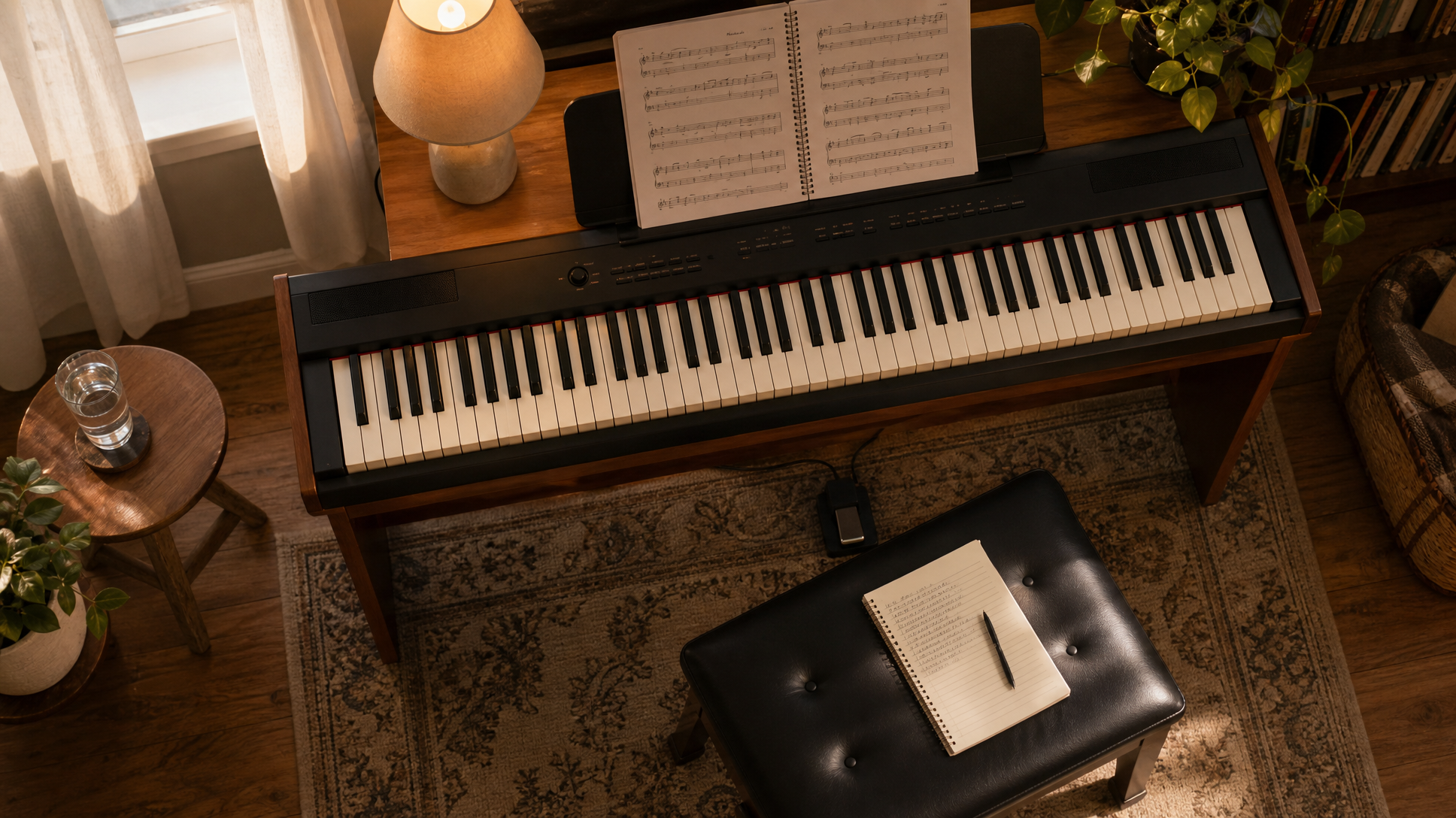
The piano earns its spot this high because the layout is completely logical. Notes go left to right in a straight line, sharps and flats are visually obvious, and you can see the entire musical alphabet laid out in front of you. That visual clarity means adults — who learn better when they can see the system — pick up music theory faster on keys than almost anywhere else.
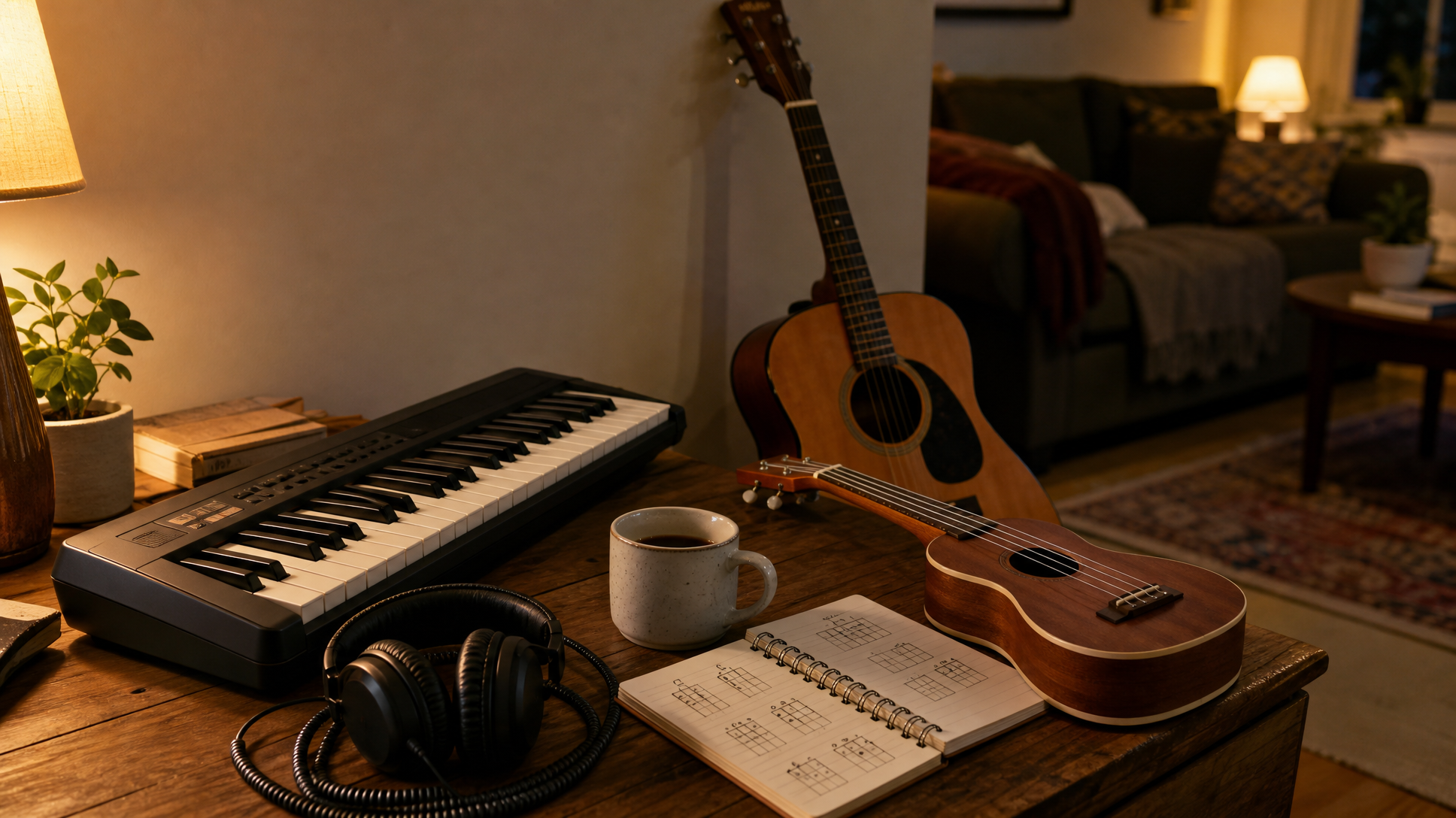
Early satisfaction comes quickly too. A simple melody played with one hand sounds like music from day one. The jump to two-hand coordination is where many adult learners stall, but even before that hurdle, you're making something that sounds intentional. A decent digital keyboard also gives you the option to use headphones, which matters more than people admit when you're practicing at 10 p.m. and don't want to wake anyone up.
#3 — Guitar (Acoustic)
Guitar is probably the most commonly attempted instrument among adults, and also the one with the highest dropout rate in the first two months. That gap exists for one reason: finger pain. Steel strings on an acoustic guitar hurt until your fingertips callus, and that process takes a few weeks of consistent playing. There's no shortcut.
Get past that, and the reward curve is real. Three chords — genuinely just three — unlocks a huge catalog of recognizable songs. Chord-based playing means you can sound musical before you've learned a single scale, which is a meaningful advantage. The acoustic also doesn't require any extra gear: no amp, no cables, no setup. You pick it up and play.
The reason it ranks third rather than higher is purely that initial pain barrier. Adults who push through it tend to stick with guitar long-term. Adults who don't often blame themselves when the instrument was always going to feel rough at the start.
#4 — Bass Guitar
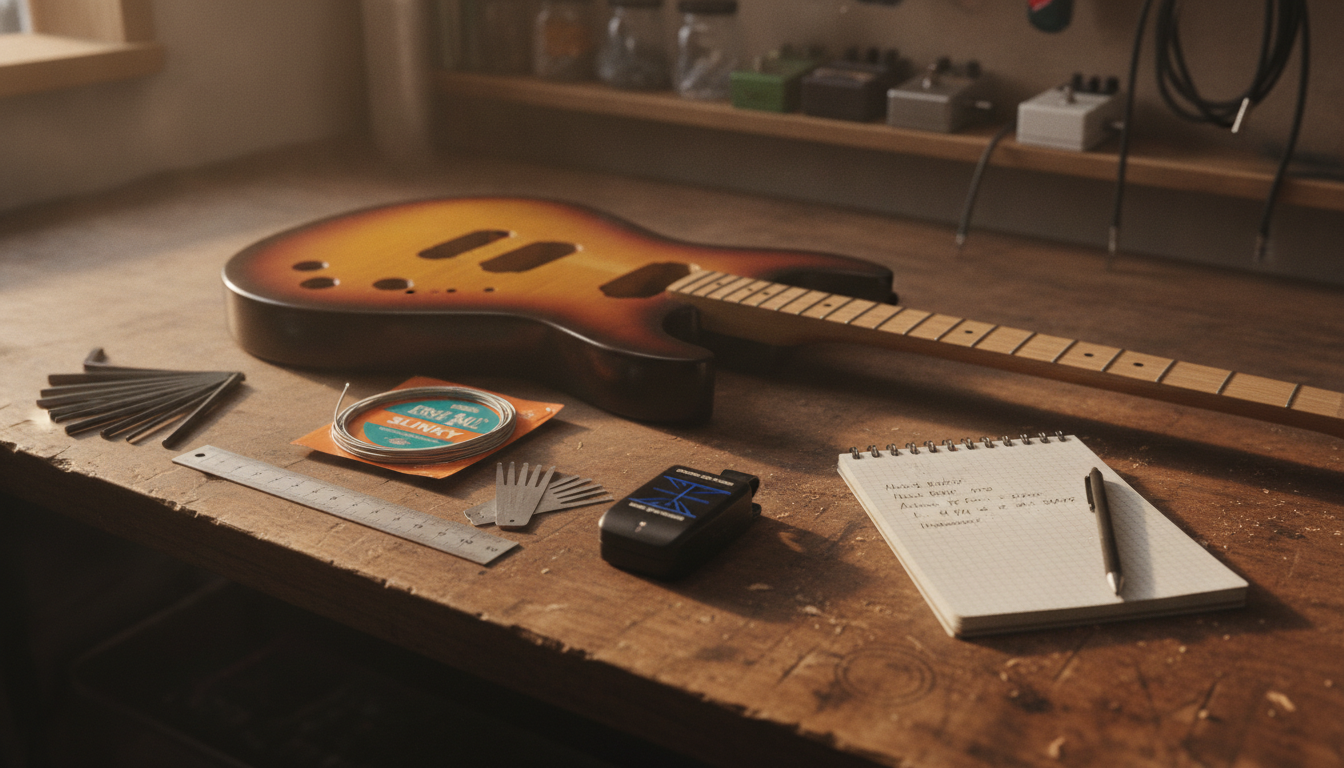
This one surprises people. Bass has four strings instead of six, the parts beginners learn tend to be simpler and more repetitive (which is actually a feature, not a bug), and there's no chord complexity to wrestle with early on. If you've ever watched a bass player and thought the instrument looked more approachable than lead guitar, you weren't wrong.
The catch is context. Bass sounds best — and feels most satisfying — when you're playing with other people or along to a recording. Solo bass practice can feel abstract in a way that strumming a guitar chord doesn't. If you're learning with a band in mind or you're the kind of person who always plays along to music anyway, bass might actually be your fastest path to feeling competent. If you're a solitary practicer, the motivation can be harder to sustain.
#5 — Violin
Violin is here because it's genuinely popular among adult learners — and because it deserves an honest conversation. The early stages are harder than almost any other instrument on this list. Getting a clean, non-scratchy tone from a bowed string instrument takes real time and consistent bow technique. There's no fret to land on, which means intonation (playing in tune) is a skill you develop gradually rather than something the instrument helps you with.
None of that means adults can't learn violin — plenty do, and successfully. But the time-to-satisfaction curve is longer, and going in with realistic expectations matters. If violin is your instrument, give yourself a longer runway before judging your progress. The payoff, when it comes, is genuinely beautiful.
The Honest Takeaway
There's no universally "best" instrument for adults — but there is a best instrument for your situation. If you want fast wins and low frustration, start at the top of this list. If you've got a specific instrument calling to you and you're willing to earn it, that matters more than any ranking.
What kills most adult learners isn't the instrument — it's choosing one that doesn't match their actual practice reality, then blaming themselves when it doesn't click. Before you buy, it's worth thinking through what your first three months of playing will actually look like, not just what you hope they'll be.
If you're still weighing your options, our guide on ordering instruments online and what to check before you buy covers the practical side of making that first purchase with confidence.
Ready to start? Browse Emusicmart's full catalog — over 25,000 products across every instrument category covered in this post, shipped across the U.S.
Frequently Asked Questions
Is it too late to learn an instrument as an adult?
No, and this concern is more common than it should be. Adults actually have some real advantages over kids: better focus, stronger motivation, and the ability to understand musical concepts more quickly. The main difference is available time — adult practice sessions tend to be shorter, so choosing an instrument with a good early reward curve matters more.
How much should I practice as an adult beginner?
Consistency beats duration. Regular short sessions — even 20 minutes most days — will build progress faster than one long weekend session. The exact amount depends on your goals, but showing up regularly is the single biggest factor in whether adult learners stick with it.
Do I need a teacher, or can I learn on my own?
Both approaches work, and many adult learners combine them. Self-teaching with online resources is genuinely viable for instruments like ukulele, guitar, and keyboard. For violin and other instruments where technique directly affects tone quality, even a few lessons early on can save you from building bad habits that are harder to unlearn later.
Should I buy a cheap beginner instrument or invest in something better from the start?
A very cheap instrument can actually make learning harder — poor intonation, stiff action, or unreliable tuning adds friction on top of the normal learning curve. You don't need to spend a lot, but buying from a trusted retailer with a clear returns policy matters, especially when you're buying online and can't play the instrument first. Mid-range instruments from reputable brands tend to hit the right balance for most adult beginners.